Are you tired of debilitating sciatica flare-ups disrupting your life?
Sciatica, characterized by pain radiating along the sciatic nerve from your lower back down to your leg, can be incredibly challenging. Its sudden onset and varying intensity can make daily activities a struggle, leaving many searching for effective, sustainable solutions beyond conventional pain management.
In 2026, the focus is increasingly shifting towards holistic approaches and natural remedies that address the root causes of sciatica, offering relief without the potential side effects of prescription medications. Many individuals are discovering that combining targeted home treatments with lifestyle adjustments can significantly improve their quality of life.
Understanding Sciatica: More Than Just Back Pain
Before diving into remedies, it's crucial to grasp what sciatica truly is and why it occurs. This understanding empowers you to choose the most effective and appropriate treatments.
Sciatica is a specific type of nerve pain caused by irritation, inflammation, pinch, or compression of the sciatic nerve, the longest and thickest nerve in the human body. Originating in the lower back, it branches through the hips and buttocks and extends down each leg. When this nerve is compromised, the result is often a sharp, shooting, burning, or tingling pain that can radiate from the lower back, through the buttock, and down the back of the leg, sometimes even into the foot and toes.
Common causes of sciatica include a herniated disk in the lumbar spine, spinal stenosis (narrowing of the spinal canal), piriformis syndrome (where the piriformis muscle in the buttock spasms and compresses the nerve), degenerative disc disease, and even pregnancy. Less common causes can include tumors or nerve damage from diseases like diabetes. It's important to distinguish sciatica from general back pain, as its distinct nerve pathway often requires targeted interventions.
The severity and location of sciatica pain can vary widely, from a mild ache to an excruciating sensation that makes standing, walking, or sitting nearly impossible. Flare-ups can be triggered by specific movements, prolonged sitting, heavy lifting, or even stress. Identifying your specific triggers and underlying cause is a vital first step in effective management.
While severe cases may require medical intervention, many individuals find significant relief and long-term management through a combination of natural, non-invasive home treatments. The goal is not just to mask the pain but to reduce inflammation, decompress the nerve, strengthen supporting muscles, and promote overall nerve health.
💡 Key Takeaway
Sciatica is nerve pain caused by sciatic nerve compression or irritation, often from a herniated disc or piriformis syndrome. Understanding its specific cause is essential for selecting the most effective natural home remedies.
Immediate Relief: Quick Natural Solutions for a Flare-Up
When sciatica strikes suddenly, your first priority is often to find rapid relief. These home treatments can help calm the nerve and reduce acute pain during a flare-up.
Hot and Cold Therapy
Alternating hot and cold packs can provide significant relief. Cold packs (ice wrapped in a cloth) can reduce inflammation and numb the area, especially useful in the first 48-72 hours of a flare-up. Apply for 15-20 minutes, several times a day. After this initial period, heat (a heating pad, hot bath, or warm compress) can help relax tight muscles and increase blood flow, promoting healing. Always protect your skin from direct contact with extreme temperatures.
Gentle Movement and Rest
While rest is important during an acute flare-up, prolonged bed rest can actually worsen sciatica. Instead, aim for periods of rest interspersed with gentle movement. Lying on your back with pillows under your knees can take pressure off the sciatic nerve. When you move, do so slowly and deliberately. Walking short distances on an even surface can help maintain mobility and reduce stiffness without aggravating the nerve.
Topical Pain Relief
Natural topical creams and balms can offer localized relief. Look for products containing ingredients like capsaicin (derived from chili peppers, creates a warming sensation that can distract from pain), arnica (known for anti-inflammatory properties), or menthol. These can be applied directly to the painful area to provide a temporary numbing or soothing effect. Always patch test first to check for skin sensitivity.
Epsom Salt Baths
A warm bath infused with Epsom salts (magnesium sulfate) can be incredibly soothing. Magnesium is a natural muscle relaxant, and soaking in a warm bath can help reduce muscle spasms and inflammation around the sciatic nerve. Aim for a 20-30 minute soak, ensuring the water is comfortably warm but not too hot, as excessive heat can sometimes exacerbate inflammation for some individuals.
Long-Term Management: Exercises & Stretches for Sciatica
While immediate relief is vital, long-term management of sciatica involves strengthening your core, improving flexibility, and decompressing the sciatic nerve through specific exercises and stretches. Consistency is key here.
Targeted stretching is one of the most effective ways to alleviate sciatica pain by releasing tension in the muscles that may be compressing the nerve. The piriformis muscle, located deep in the buttock, is often a culprit. Stretching this muscle can significantly reduce pressure on the sciatic nerve. Consider stretches like the piriformis stretch (lying on your back, cross one leg over the other, and gently pull the knee towards your chest) or the knee-to-chest stretch. Gentle hamstring stretches are also beneficial, as tight hamstrings can contribute to lower back tension.
Beyond stretching, core strengthening exercises are paramount. A strong core supports the spine, reducing the load on the lower back and helping to prevent future sciatic flare-ups. Exercises such as pelvic tilts, bird-dog, and modified planks can build core strength without putting undue stress on the back. It's crucial to perform these exercises slowly and with proper form to avoid injury. A physical therapist can provide personalized guidance and ensure you are performing them correctly.
Low-impact aerobic activities, such as walking, swimming, or cycling, can also be beneficial. These activities increase blood flow to the back and legs, promote nerve healing, and help release endorphins, which are natural pain relievers. Always start slowly and gradually increase duration and intensity. Listen to your body and stop if any activity exacerbates your pain. For more detailed guidance on improving nerve health, you might find our article on how to improve nerve health naturally very informative.
Remember, the goal of these exercises is not to push through pain, but to gently restore mobility and strength. Consistency over time yields the best results, transforming your body's ability to manage and prevent sciatica.
Dietary & Nutritional Strategies for Sciatica Relief
What you eat can significantly impact inflammation levels in your body, directly influencing sciatica pain. Adopting an anti-inflammatory diet is a powerful natural remedy.
Anti-Inflammatory Foods
Incorporate foods rich in antioxidants and omega-3 fatty acids. This includes fatty fish (salmon, mackerel), flaxseeds, chia seeds, walnuts, and a wide array of colorful fruits and vegetables (berries, leafy greens, bell peppers). These foods help combat systemic inflammation, which can contribute to nerve irritation.
Herbs and Spices
Certain herbs and spices possess potent anti-inflammatory properties. Turmeric (containing curcumin), ginger, and garlic are excellent additions to your diet. They can be used in cooking or consumed as teas. These natural ingredients have been studied for their ability to reduce pain and inflammation without the side effects often associated with pharmaceutical drugs.
Magnesium-Rich Foods
Magnesium is vital for nerve function and muscle relaxation. A deficiency can contribute to muscle spasms and nerve pain. Increase your intake of magnesium-rich foods like dark leafy greens, nuts (almonds, cashews), seeds (pumpkin, sesame), legumes, whole grains, and dark chocolate. Magnesium supplements can also be considered, but always consult a doctor first.
Hydration
Staying well-hydrated is crucial for overall health, including disc health and nerve function. Dehydration can lead to stiffer discs and muscles, potentially exacerbating sciatica. Aim to drink plenty of water throughout the day. Herbal teas can also contribute to your daily fluid intake and offer additional anti-inflammatory benefits.
Foods to Avoid
Minimize or eliminate pro-inflammatory foods such as processed snacks, sugary drinks, refined carbohydrates, unhealthy trans fats, and excessive red meat. These foods can trigger or worsen inflammation in the body, making sciatica pain more persistent and severe.
Lifestyle Adjustments for Ongoing Sciatica Prevention
Beyond immediate relief and diet, making sustainable lifestyle changes can significantly reduce the frequency and intensity of sciatica flare-ups.
Maintain good posture: Whether sitting, standing, or lifting, proper posture is vital for spinal health. When sitting, use a supportive chair with good lumbar support, keep your feet flat on the floor, and avoid slouching. When lifting, bend your knees, keep your back straight, and lift with your legs, not your back. Awareness of your body mechanics throughout the day can prevent unnecessary strain on your lower back and sciatic nerve.
Ergonomic workspace: If you spend many hours at a desk, ensure your workspace is ergonomically sound. Your computer screen should be at eye level, your chair should provide adequate support, and your keyboard and mouse should be within easy reach. Take frequent breaks to stand, stretch, and walk around. This prevents prolonged periods of static posture that can compress the sciatic nerve.
Manage stress: Stress can exacerbate pain, including sciatica. When stressed, muscles tend to tense up, potentially increasing pressure on the sciatic nerve. Incorporate stress-reduction techniques into your daily routine, such as meditation, deep breathing exercises, yoga, or spending time in nature. Finding healthy outlets for stress can have a profound impact on your overall well-being and pain levels.
Maintain a healthy weight: Excess body weight, especially around the abdomen, puts additional strain on the lower back, increasing the risk of sciatica. Achieving and maintaining a healthy weight through a balanced diet and regular exercise can significantly reduce this pressure and improve spinal health. This is a long-term strategy that offers extensive benefits beyond just sciatica relief.
Quit smoking: Smoking can reduce blood flow to the spinal discs, accelerating their degeneration and increasing the risk of disc herniation and sciatica. Quitting smoking is one of the best things you can do for your overall health, including your spinal and nerve health. For more insights into comprehensive nerve health, read our article on natural nerve health relief remedies.
💡 Key Takeaway
Long-term sciatica relief involves a multi-faceted approach: strengthening the core, improving flexibility through targeted stretches, adopting an anti-inflammatory diet, and implementing ergonomic and stress-management techniques in daily life.
Natural Supplements for Sciatica Support
While diet and exercise form the foundation, certain natural supplements can provide additional support for nerve health and inflammation reduction, complementing your other home treatments.
Turmeric (Curcumin)
Known for its potent anti-inflammatory and antioxidant properties, curcumin (the active compound in turmeric) can help reduce nerve inflammation and pain. It's often taken in supplement form for higher bioavailability, sometimes combined with piperine (black pepper extract) to enhance absorption.
Alpha-Lipoic Acid (ALA)
ALA is a powerful antioxidant that has shown promise in improving nerve function and reducing neuropathic pain, including sciatica. It can help protect nerve cells from damage and support their repair processes. It's naturally found in some foods but often taken as a supplement for therapeutic doses.
Devil's Claw
This African plant extract has been traditionally used for its anti-inflammatory and analgesic effects. Studies suggest it can be effective in reducing pain associated with back conditions and arthritis, making it a potential natural aid for sciatica sufferers.
B Vitamins (B1, B6, B12)
The B vitamins, particularly B1 (thiamine), B6 (pyridoxine), and B12 (cobalamin), play crucial roles in nerve health and function. Deficiencies can lead to nerve damage and neuropathy. Supplementation can support nerve regeneration and reduce nerve pain, especially for those with deficiencies.
Magnesium
As mentioned in the diet section, magnesium is a critical mineral for muscle relaxation and nerve signal transmission. Supplementation can help relieve muscle spasms that contribute to sciatica and improve overall nerve health, particularly for individuals with low dietary intake.
Boswellia Serrata
Also known as frankincense, Boswellia is an ancient herbal remedy with strong anti-inflammatory properties. Its active compounds, boswellic acids, are believed to inhibit inflammatory pathways, potentially offering relief from pain and swelling associated with sciatica.
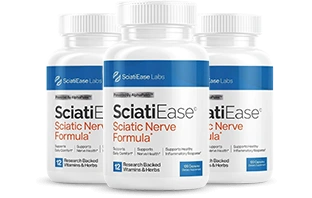
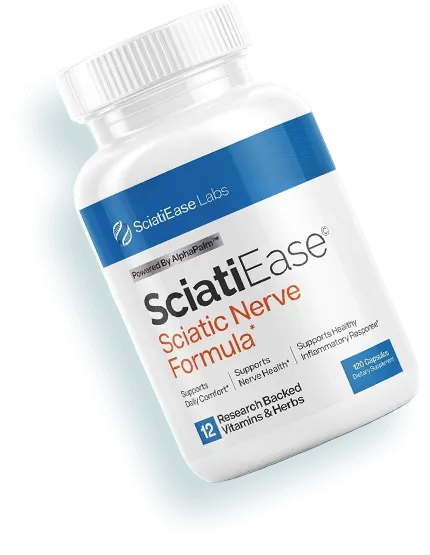
Sciatiease: A Natural Approach to Nerve Health & Sciatica Relief
For those seeking a comprehensive natural solution to support nerve health and manage sciatica, Sciatiease offers a carefully formulated blend of ingredients designed to address the underlying issues.
In the landscape of natural remedies for sciatica, Sciatiease stands out as a supplement crafted with a blend of ingredients backed by research for their roles in nerve health and inflammation modulation. It's designed to complement your lifestyle changes and home treatments, providing targeted nutritional support to help your body manage sciatic discomfort more effectively. Unlike temporary pain relievers, Sciatiease aims to support the body's natural healing processes and promote long-term nerve well-being.
Many individuals find that incorporating a high-quality, natural supplement like Sciatiease into their daily routine provides that extra edge in managing persistent or recurrent sciatica flare-ups. Its formulation focuses on supporting nerve regeneration, reducing inflammatory responses, and improving overall neurological function, which are all critical aspects of overcoming sciatic pain. By providing essential nutrients that nerves need to thrive, Sciatiease helps create an optimal environment for relief and recovery.
Choosing a natural supplement is a personal decision, but for those committed to a holistic path, Sciatiease offers a convenient and potent way to ensure your body is receiving the best possible support. It's a gentle yet powerful addition to your arsenal of natural remedies, working synergistically with diet, exercise, and stress reduction techniques to help you reclaim comfort and mobility. To learn more about how Sciatiease can benefit you, visit the official Sciatiease website.

Experience Lasting Comfort with Sciatiease
Don't let sciatica control your life any longer. Sciatiease offers a natural, potent solution to help alleviate nerve pain, reduce inflammation, and support overall neurological health. Join thousands who have found relief and rediscovered their active lives.
- ✓ Targets the root causes of sciatica pain
- ✓ Formulated with clinically studied natural ingredients
- ✓ Supports nerve health and reduces inflammation
- ✓ Non-GMO, GMP Certified, Made in USA
- ✓ Backed by a 60-Day Money-Back Guarantee




Hear From Our Satisfied Customers
"I've struggled with sciatica for years, and flare-ups were a nightmare. Since incorporating Sciatiease into my routine, along with my stretches, the pain has significantly reduced. I feel more mobile and less reliant on OTC pain meds. It's truly a game-changer!"
"After trying countless remedies, Sciatiease was recommended by a friend. I was skeptical, but the difference is remarkable. My chronic nerve discomfort is so much more manageable, and I can enjoy my daily walks again without constant apprehension. Highly recommend for anyone suffering."
"The natural approach of Sciatiease appealed to me. I paired it with gentle yoga and dietary changes, and the results have been fantastic. My sciatica flare-ups are less frequent and much less intense. It feels good to support my body naturally."
Frequently Asked Questions
What are the quickest natural remedies for a sciatica flare-up?
+For quick relief, try alternating hot and cold packs on the affected area, gentle stretching (like knee-to-chest or piriformis stretch), and over-the-counter anti-inflammatory creams. Resting in a comfortable position that takes pressure off the sciatic nerve can also provide immediate comfort. Always listen to your body and avoid movements that increase pain.
Can specific exercises help alleviate sciatica pain at home?
+Yes, targeted exercises are crucial for managing sciatica. Gentle stretches like the piriformis stretch, knee-to-chest stretch, and pelvic tilts can help decompress the nerve and strengthen supporting muscles. Low-impact activities such as walking, swimming, or cycling (if pain allows) can also improve circulation and reduce inflammation. Consistency is key, but stop immediately if any exercise exacerbates your pain.
Are there dietary changes that can reduce sciatica inflammation?
+Adopting an anti-inflammatory diet can significantly help manage sciatica pain. Focus on foods rich in omega-3 fatty acids (fatty fish, flaxseeds), antioxidants (berries, leafy greens), and lean proteins. Avoid processed foods, excessive sugar, and unhealthy fats, which can promote inflammation. Staying well-hydrated is also essential for overall nerve health and recovery.
How effective are herbal supplements for sciatica relief?
+Many herbal supplements contain compounds known for their anti-inflammatory and pain-relieving properties. Turmeric, ginger, devil's claw, and magnesium are popular choices that can support nerve health and reduce discomfort. While not a cure, they can be a valuable part of a holistic management plan. Always consult a healthcare professional before starting any new supplement, especially if you are on medication.
When should I seek professional medical help for sciatica, even with home remedies?
+While natural remedies can be effective, it's important to know when to seek professional help. Consult a doctor if your pain is severe, worsens, doesn't improve after a few weeks of home treatment, or if you experience numbness, weakness, loss of bowel/bladder control, or pain that radiates down both legs. These could indicate a more serious underlying condition requiring medical intervention.
Is Sciatiease a natural option for long-term sciatica management?
+Sciatiease is formulated with a blend of natural ingredients known for their anti-inflammatory and nerve-supporting properties, designed to complement home remedies and lifestyle changes. It aims to address the root causes of nerve discomfort and promote overall neurological health. Many users find it a beneficial addition to their long-term sciatica management strategy, alongside exercise and diet. As with any supplement, consistent use and consultation with a healthcare provider are recommended to determine its suitability for your specific needs.
Related Articles