Are you searching for natural ways to alleviate persistent nerve pain, especially from sciatica?
Living with chronic nerve pain, particularly the searing discomfort of sciatica, can be debilitating. It impacts every aspect of life, from daily activities to sleep quality, leaving many feeling frustrated and hopeless. While conventional treatments offer solutions, a growing number of individuals are turning towards natural alternatives, seeking gentler yet effective ways to manage their symptoms and promote long-term nerve health.
This article delves into the world of natural nerve health relief, exploring a range of herbal solutions and holistic remedies that can offer significant comfort and support for those suffering from nerve pain, including sciatica. We'll uncover how these botanical powerhouses work and how they can be integrated into a comprehensive pain management strategy.
Understanding Sciatica and the Root of Nerve Pain
Before exploring solutions, it's vital to understand what sciatica is and the mechanisms behind nerve pain.
Sciatica is more than just a backache; it's a specific type of nerve pain caused by irritation or compression of the sciatic nerve. This nerve, the longest and widest in the human body, originates in the lower back, runs through the buttocks, and extends down the back of each leg. When this nerve is pinched, inflamed, or damaged, it can lead to symptoms ranging from a mild ache to a sharp, burning sensation, or even excruciating pain that makes standing or sitting unbearable. Numbness, tingling, and muscle weakness in the affected leg or foot are also common. Understanding the underlying cause is the first step toward effective management.
The most common culprits behind sciatica include a herniated lumbar disc, which presses on the nerve root; spinal stenosis, a narrowing of the spinal canal; spondylolisthesis, where one vertebra slips over another; and piriformis syndrome, a condition where the piriformis muscle in the buttock compresses the sciatic nerve. Less common causes can include tumors or nerve damage from diabetes. Regardless of the cause, the goal of treatment is to reduce inflammation, relieve pressure on the nerve, and alleviate pain.
Traditional medical approaches often involve pain relievers, anti-inflammatory drugs, physical therapy, and in severe cases, steroid injections or surgery. However, these methods can come with side effects, and many individuals prefer to explore options that address the root cause more holistically, without relying solely on pharmaceuticals. This is where natural nerve health relief remedies come into play, offering a complementary or alternative path to well-being.
💡 Key Takeaway
Sciatica is nerve pain caused by sciatic nerve compression, often from herniated discs or spinal stenosis. While conventional treatments exist, natural remedies focus on reducing inflammation and supporting nerve health holistically, offering a gentler path to relief.
The Power of Nature: Why Consider Herbal Solutions for Nerve Pain?
Herbal medicine has been used for centuries across various cultures to treat pain and inflammation. Modern research is now validating many of these traditional uses, highlighting the potent compounds found in plants that can support nerve health and alleviate discomfort.
Natural Anti-Inflammatory Action
Many herbs possess powerful anti-inflammatory properties, which are crucial for reducing nerve pain. Inflammation is a key driver of sciatica and other neuropathic conditions. By calming the inflammatory response, these herbs can help decompress irritated nerves and lessen pain signals.
Nerve Regeneration and Protection
Certain botanicals contain compounds that not only protect nerve cells from damage but also encourage their regeneration. This neuroprotective quality is vital for long-term nerve health, helping to repair and strengthen the nervous system against future insults.
Improved Blood Circulation
Optimal blood flow is essential for delivering nutrients and oxygen to nerve tissues and removing metabolic waste. Some herbal remedies enhance circulation, ensuring that nerves receive the nourishment they need to function correctly and heal efficiently, reducing ischemia-related pain.
Pain Modulation and Relaxation
Beyond reducing inflammation, several herbs act as natural analgesics or relaxants. They can help modulate pain signals, reduce muscle spasms that often accompany sciatica, and promote a sense of calm, which is beneficial given the stress and anxiety associated with chronic pain.
Holistic Approach to Well-being
Herbal solutions often work synergistically, addressing multiple aspects of health rather than just symptomatic relief. This holistic approach supports the body's natural healing processes and contributes to overall well-being, fostering a more balanced and resilient nervous system.
Key Herbal Solutions for Sciatica and Nerve Health
A variety of herbs have demonstrated potential in alleviating nerve pain and supporting neurological health.
When considering natural nerve health relief, certain herbs stand out due to their scientifically recognized properties. These botanicals offer a spectrum of benefits, from reducing inflammation and pain to promoting nerve repair and relaxation. It's important to remember that while these herbs can be powerful, individual responses may vary, and quality sourcing is paramount. For more general information on effective natural remedies, you might find our article on nerve-health-remedies-that-work.html insightful.
Below are some of the most promising herbal solutions often recommended for sciatica and general nerve pain:
Natural Ingredients for Nerve Support
Here's a look at specific natural compounds and herbs renowned for their benefits in addressing nerve pain and promoting overall nerve health.
Turmeric (Curcuma longa)
Role: Potent anti-inflammatory. Curcumin, its active compound, helps reduce inflammation and pain by inhibiting inflammatory pathways. It's a cornerstone in natural pain management.
500-1500 mg daily (standardized curcumin)Ginger (Zingiber officinale)
Role: Natural pain reliever and anti-inflammatory. Gingerols and shogaols in ginger can reduce pain and swelling, similar to NSAIDs but with fewer side effects. It also aids circulation.
500-2000 mg daily (extract or powdered root)Boswellia Serrata (Indian Frankincense)
Role: Strong anti-inflammatory. Boswellic acids help prevent the formation of leukotrienes, which are molecules that cause inflammation. Effective for joint and nerve pain.
300-500 mg (standardized extract) 2-3 times dailyDevil's Claw (Harpagophytum procumbens)
Role: Analgesic and anti-inflammatory. Traditionally used for arthritis and back pain, its active compounds (harpagosides) have pain-relieving effects and reduce inflammatory markers.
600-1200 mg (standardized extract) dailyAlpha-Lipoic Acid (ALA)
Role: Powerful antioxidant and nerve protector. ALA improves nerve function and reduces neuropathic pain, especially in conditions like diabetic neuropathy. It helps protect nerves from oxidative damage.
300-600 mg dailyAcetyl-L-Carnitine (ALCAR)
Role: Supports nerve regeneration and reduces pain. ALCAR is an amino acid derivative that helps produce energy in cells and has neuroprotective properties, aiding in nerve repair and reducing pain intensity.
500-1000 mg dailyMagnesium
Role: Muscle relaxant and nerve function support. Magnesium helps regulate nerve and muscle function, reduces muscle spasms, and can alleviate nerve excitability, contributing to overall pain reduction.
200-400 mg daily (citrate or glycinate forms)B Vitamins (B1, B6, B12)
Role: Essential for nerve health and repair. B vitamins play critical roles in nerve signal transmission, myelin sheath formation, and overall nervous system integrity. Deficiencies can exacerbate nerve pain.
Varies by specific B vitamin; often in complex formIntegrating Natural Remedies into Your Daily Life
Beyond specific herbs, a holistic approach to nerve health involves several lifestyle adjustments.
Managing sciatica and nerve pain effectively often requires a multi-faceted approach. While herbal solutions can provide significant relief, they are most effective when combined with healthy lifestyle choices. These choices not only support the body's natural healing mechanisms but also address potential contributing factors to nerve pain.
Mind-Body Connection and Stress Management
Chronic pain, including sciatica, can be significantly exacerbated by stress and anxiety. The mind-body connection is powerful, and stress can heighten pain perception and increase muscle tension, further irritating nerves. Incorporating stress-reduction techniques into your daily routine can be incredibly beneficial. Practices such as meditation, deep breathing exercises, yoga, and tai chi can help calm the nervous system, reduce muscle spasms, and improve pain tolerance. Even simple activities like spending time in nature or pursuing a relaxing hobby can make a profound difference in your overall well-being and pain management.
Dietary Considerations for Nerve Health
What you eat can have a direct impact on inflammation and nerve health. An anti-inflammatory diet, rich in fruits, vegetables, whole grains, and lean proteins, can significantly reduce systemic inflammation that contributes to nerve pain. Focus on foods high in antioxidants, omega-3 fatty acids (found in fish, flaxseeds, and walnuts), and essential vitamins and minerals. Conversely, limiting processed foods, excessive sugar, unhealthy fats, and refined carbohydrates can help prevent inflammatory flare-ups. Staying well-hydrated by drinking plenty of water is also crucial for overall cellular function and nutrient transport.
Gentle Exercise and Movement
While rest is important during acute pain, prolonged inactivity can worsen sciatica. Gentle, consistent movement is key to maintaining spinal flexibility, strengthening core muscles, and improving circulation. Activities like walking, swimming, cycling, and specific stretching exercises recommended by a physical therapist can help decompress the spine and alleviate pressure on the sciatic nerve. It's crucial to listen to your body and avoid movements that aggravate the pain. For more specific natural remedies to manage sudden flare-ups, you may want to read our article on natural-remedies-for-sciatica-flare-up.html.
Ergonomics and Posture
Poor posture and improper ergonomics, especially when sitting for long periods, can contribute to sciatica. Ensure your workstation is set up ergonomically, with proper chair support, monitor height, and keyboard position. When standing, distribute your weight evenly and avoid slouching. Investing in a supportive mattress and pillows can also make a difference in spinal alignment and nerve pressure during sleep.
By combining these lifestyle strategies with targeted herbal solutions, individuals can create a comprehensive plan for natural nerve health relief, fostering a more comfortable and active life. Remember, consistency and patience are vital when adopting natural approaches; results may not be immediate but can be deeply rewarding over time.
Experience the Difference with Sciatiease: Your Natural Path to Nerve Health
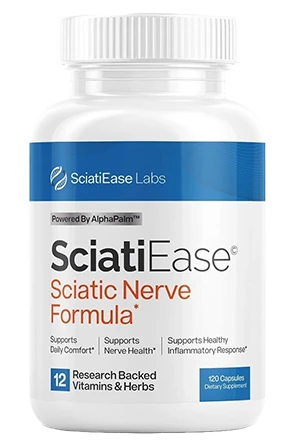
If you're seeking a comprehensive, natural solution to support nerve health and alleviate discomfort, Sciatiease offers a meticulously formulated blend of the most effective ingredients discussed above. Designed to target the root causes of nerve pain, Sciatiease provides a powerful synergy of herbal extracts and essential nutrients to help you reclaim your comfort and mobility.
- ✓ Advanced Nerve Support Formula
- ✓ Potent Anti-Inflammatory & Analgesic Herbs
- ✓ Promotes Healthy Nerve Function & Regeneration
- ✓ All-Natural Ingredients, Scientifically Backed
- ✓ Manufactured in a GMP Certified Facility




Beyond Herbs: The Role of Supplements in Nerve Health
While whole herbs are powerful, specific isolated compounds and vitamins can offer targeted support for nerve health.
In addition to the traditional herbal remedies, modern nutritional science has identified several key supplements that play crucial roles in maintaining optimal nerve function and mitigating pain. These often include specific vitamins, minerals, and compounds that are sometimes difficult to obtain in sufficient quantities from diet alone, especially for individuals with compromised absorption or increased needs due to chronic conditions like sciatica. Understanding the benefits of these supplements can help create a more robust strategy for natural nerve health relief.
Vitamin B Complex for Neurological Support
The entire B vitamin family is vital for nerve health, but B1 (Thiamine), B6 (Pyridoxine), and B12 (Cobalamin) are particularly important. They contribute to the health of the myelin sheath, the protective covering around nerves, and are essential for nerve signal transmission. Deficiencies in these vitamins, especially B12, can lead to neuropathy and exacerbate nerve pain. Supplementation can help restore proper nerve function and reduce symptoms. When considering a comprehensive approach, exploring the best-nerve-health-supplement.html can provide further insights into optimal formulations.
Magnesium for Muscle and Nerve Relaxation
Magnesium is an essential mineral involved in over 300 biochemical reactions in the body, including nerve and muscle function. It acts as a natural calcium channel blocker, helping to relax muscles and reduce nerve excitability. Many people with chronic pain, including sciatica, are found to be deficient in magnesium. Supplementation can help alleviate muscle spasms, reduce nerve pain, and improve sleep quality, which is often disrupted by chronic discomfort.
Omega-3 Fatty Acids for Anti-Inflammatory Benefits
Found primarily in fish oil, flaxseed oil, and chia seeds, omega-3 fatty acids (EPA and DHA) are renowned for their powerful anti-inflammatory properties. They can help reduce the production of inflammatory molecules in the body, which directly contributes to the pain and swelling associated with sciatica. Regular intake of omega-3s can support overall cellular health, including nerve cells, and contribute to long-term pain management.
Alpha-Lipoic Acid (ALA) and Acetyl-L-Carnitine (ALCAR) for Nerve Repair
These two powerful antioxidants work synergistically to protect nerves from oxidative damage and support nerve regeneration. ALA is unique because it is both water and fat-soluble, allowing it to work in virtually every cell in the body. It helps improve blood flow to nerves and enhances glucose utilization. ALCAR, an amino acid, supports mitochondrial function, providing energy for nerve cells and aiding in the repair of damaged nerves. Both have shown promise in clinical studies for reducing neuropathic pain.
Incorporating these targeted supplements, alongside a diet rich in whole foods and the herbal remedies discussed earlier, can provide a robust framework for managing sciatica and promoting superior nerve health naturally. Always consult with a healthcare professional to ensure the right dosages and to avoid potential interactions with other medications or conditions.
Real Stories, Real Relief
"Sciatiease has been a game-changer for my chronic sciatica. I've tried so many things, but this is the first natural solution that truly helped reduce my daily pain and allowed me to move more freely. Highly recommend!"
"I was skeptical at first, but after a few weeks of taking Sciatiease, the tingling and numbness in my leg significantly decreased. It's such a relief to find something natural that works without harsh side effects."
"My doctor suggested trying natural remedies for my mild sciatica, and Sciatiease came up. I'm so glad I tried it! My discomfort is much more manageable, and I feel more energetic. Thank you!"
Frequently Asked Questions
What exactly is sciatica and what causes it?
+Sciatica refers to pain that radiates along the path of the sciatic nerve, which branches from your lower back through your hips and buttocks and down each leg. It typically affects only one side of your body. Common causes include a herniated disc, bone spur on the spine, or narrowing of the spine (spinal stenosis) that compresses part of the nerve.
How do natural remedies and herbal solutions help with nerve pain?
+Natural remedies and herbal solutions often work by reducing inflammation, improving circulation, supporting nerve regeneration, and offering analgesic effects without the harsh side effects of some pharmaceutical options. Many herbs contain compounds that naturally soothe nerve irritation and promote overall nervous system health.
Are herbal supplements safe to combine with other medications for sciatica?
+While many herbal supplements are generally safe, it's crucial to consult with your healthcare provider or a qualified herbalist before combining them with any prescription medications. Some herbs can interact with drugs, affecting their efficacy or increasing side effects. Your doctor can help you determine a safe and effective treatment plan.
How long does it take to see results from natural sciatica remedies?
+The time it takes to see results can vary widely depending on the individual, the severity of the condition, and the specific remedies used. Some people may experience relief within weeks, while for others, it might take several months of consistent application to notice significant improvement. Patience and consistency are key with natural approaches.
What lifestyle changes can complement natural nerve health solutions?
+Complementary lifestyle changes include regular, gentle exercise (like walking, swimming, or yoga), maintaining a healthy weight, practicing good posture, avoiding prolonged sitting, applying heat or cold therapy, and managing stress through techniques like meditation or deep breathing. A balanced diet rich in anti-inflammatory foods also plays a vital role.
Is Sciatiease a suitable option for everyone suffering from sciatica?
+Sciatiease is formulated with natural ingredients known for their nerve-supporting and anti-inflammatory properties, making it a suitable option for many seeking natural relief. However, individual results vary, and it's always recommended to consult with a healthcare professional before starting any new supplement, especially if you have pre-existing conditions, are pregnant, nursing, or taking other medications.
Related Articles