Struggling with Sciatica? Discover Natural Nerve Health Remedies That Truly Work.
Sciatica, characterized by debilitating pain radiating from the lower back down the leg, can significantly impact your quality of life. While conventional treatments offer relief, many are actively seeking natural, holistic approaches to manage their symptoms and support long-term nerve health.
This comprehensive guide, authored by Dr. Laura Phillips, a leading Neurological Health Researcher, delves into effective natural remedies and lifestyle adjustments that can help alleviate sciatica pain and foster healthier nerves. We'll explore everything from targeted exercises and dietary changes to powerful herbal supplements, offering a roadmap to lasting comfort and improved well-being without relying solely on pharmaceuticals.
Understanding Sciatica: More Than Just Back Pain
Before diving into remedies, it's crucial to understand what sciatica is and why it occurs. This knowledge empowers you to choose the most effective natural approaches.
Sciatica is a common and often debilitating condition characterized by pain that radiates along the path of the sciatic nerve, which branches from your lower back through your hips and buttocks and down each leg. Typically, it affects only one side of your body. The pain can range from a mild ache to a sharp, burning sensation or excruciating discomfort. You might also experience numbness, tingling, or muscle weakness in the affected leg or foot.
The most frequent cause of sciatica is a herniated or slipped disk in the spine, which presses directly on the sciatic nerve. Other common culprits include bone spurs on the spine, which are bony growths that can narrow the space around the nerves (spinal stenosis), or a condition called piriformis syndrome, where the piriformis muscle (located deep in the buttock) spasms and irritates the sciatic nerve. Less common causes can include tumors or nerve damage caused by diseases like diabetes. Understanding the underlying cause is the first step toward effective management and relief.
💡 Key Takeaway
Sciatica is nerve pain radiating from the lower back, often due to a herniated disc or bone spur compressing the sciatic nerve. Identifying the cause is crucial for effective natural treatment.
Why Choose Natural Approaches for Sciatica Relief?
While conventional medicine offers important tools for sciatica management, many individuals are increasingly turning to natural remedies for their unique benefits.
Minimizing Side Effects
Many traditional pain medications, especially when used long-term, come with a range of potential side effects, from digestive issues to dependency. Natural remedies often present a gentler alternative, aiming to support the body's healing mechanisms with fewer adverse reactions.
Addressing Root Causes
Instead of merely masking symptoms, natural approaches often focus on addressing the underlying causes of nerve irritation and inflammation. This can include improving spinal alignment, reducing systemic inflammation through diet, and strengthening supporting muscles, leading to more sustainable relief.
Holistic Well-being
Natural remedies often encompass a broader view of health, integrating physical, mental, and emotional aspects. Practices like yoga and meditation not only help with pain but also reduce stress, improve sleep, and enhance overall quality of life, which are crucial for chronic pain management.
Empowering Self-Care
Adopting natural remedies often involves a greater degree of personal involvement and self-care. This empowerment can lead to a deeper understanding of one's body and pain triggers, fostering a proactive approach to health rather than a reactive one.
Complementary to Other Treatments
Natural remedies can often be used safely alongside conventional treatments, enhancing their effectiveness and potentially reducing the need for higher doses of medication. This integrated approach can provide comprehensive relief for persistent sciatica symptoms.
Dietary Strategies for Nerve Health and Sciatica Relief
What you eat profoundly impacts inflammation and nerve function. Incorporating specific foods can significantly aid in managing sciatica pain naturally.
A cornerstone of natural sciatica relief lies in adopting an anti-inflammatory diet. Chronic inflammation can exacerbate nerve pain, so reducing inflammatory triggers is paramount. Focus on whole, unprocessed foods, rich in antioxidants and essential fatty acids. This includes plenty of colorful fruits and vegetables, which are packed with vitamins and minerals vital for nerve repair and protection. Berries, leafy greens, and cruciferous vegetables are particularly beneficial.
Omega-3 fatty acids, found in fatty fish (salmon, mackerel, sardines), flaxseeds, and walnuts, are powerful anti-inflammatory agents that can help soothe irritated nerves. Conversely, it's crucial to limit pro-inflammatory foods such as processed snacks, sugary drinks, refined carbohydrates, and excessive red meat. These foods can worsen inflammation and impede the body's natural healing processes.
Hydration also plays a critical role. Drinking ample water helps maintain the elasticity of spinal discs and ensures proper nutrient delivery to nerve cells. Consider consulting a nutritionist to tailor a diet that supports your nerve health and overall well-being. For more in-depth information on supporting your nerves, you might find our article on the best nerve health supplements helpful.
Herbal & Nutritional Support for Sciatica
Certain herbs and nutrients have long been recognized for their ability to combat inflammation and support nerve function, offering a natural pathway to relief.
Turmeric (Curcumin)
Known for its potent anti-inflammatory and antioxidant properties, curcumin, the active compound in turmeric, can significantly reduce pain and swelling associated with sciatica. It works by inhibiting inflammatory pathways in the body, providing natural relief similar to some NSAIDs but with fewer side effects.
Devil's Claw
This African herb has powerful anti-inflammatory and analgesic effects. Studies suggest it can be effective in reducing lower back pain, including sciatica, by inhibiting inflammatory cytokines. It's a popular choice for those seeking botanical pain relief.
White Willow Bark
Containing salicin, which is similar to the active ingredient in aspirin, white willow bark has been used for centuries to alleviate pain and inflammation. It can be a natural alternative for managing acute sciatica pain, though its effects may take longer to manifest than synthetic painkillers.
Magnesium
An essential mineral, magnesium plays a crucial role in nerve function and muscle relaxation. Deficiency can contribute to muscle spasms and nerve irritation. Supplementing with magnesium can help relax tight muscles, including the piriformis, which may be compressing the sciatic nerve.
B Vitamins (B1, B6, B12)
The B vitamin complex, particularly B1 (thiamine), B6 (pyridoxine), and B12 (cobalamin), is vital for nerve health and repair. They help maintain the myelin sheath, the protective covering around nerves, and support nerve signal transmission. Deficiencies can lead to nerve damage and heightened pain sensitivity.
Alpha-Lipoic Acid (ALA)
A powerful antioxidant, ALA helps protect nerves from oxidative damage and can improve nerve function. It's often used in managing neuropathic pain, including that associated with sciatica, by reducing inflammation and supporting nerve regeneration.
Incorporating these natural ingredients into your regimen, either through diet or high-quality supplements, can provide significant support for nerve health and pain management. Always consult with a healthcare professional before starting any new supplement, especially if you have existing health conditions or are taking other medications. For those seeking comprehensive support, a dedicated sciatica pain relief supplement might be an ideal option.
Lifestyle Adjustments and Mind-Body Practices
Beyond diet and supplements, daily habits and mental well-being play a critical role in managing and preventing sciatica flare-ups.
Ergonomics and Posture: Poor posture and improper ergonomics, especially for those with sedentary jobs, can significantly contribute to sciatica. Ensure your workstation is set up to support your spine. Use a chair with good lumbar support, keep your feet flat on the floor, and position your monitor at eye level. Take frequent breaks to stand and stretch. When lifting, always bend at your knees, not your back.
Regular, Gentle Exercise: While rest is important during acute flare-ups, prolonged inactivity can worsen sciatica. Gentle exercises like walking, swimming, or cycling can help maintain spinal flexibility and strengthen core muscles that support your back. Specific stretches for the lower back, glutes, and hamstrings (like the piriformis stretch, knee-to-chest, and cat-cow) are particularly beneficial for decompressing the sciatic nerve. A physical therapist can guide you through appropriate exercises.
Mind-Body Techniques: Chronic pain can take a toll on mental health, and stress can exacerbate pain perception. Practices such as yoga, tai chi, meditation, and deep breathing exercises can help manage pain by reducing stress, improving body awareness, and promoting relaxation. Acupuncture, a traditional Chinese medicine technique, has also shown promise in reducing sciatica pain by stimulating specific points on the body.
Quality Sleep: Adequate sleep is essential for the body's repair processes and overall pain management. Ensure your mattress provides proper support and try sleeping in positions that reduce pressure on your sciatic nerve, such as on your side with a pillow between your knees, or on your back with a pillow under your knees.
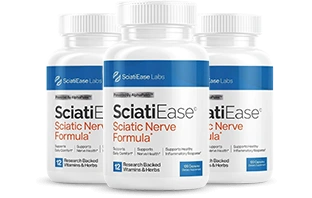
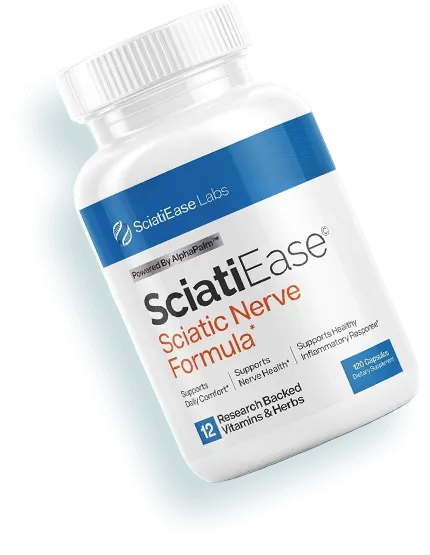
Enhance Your Nerve Health with Sciatiease: A Natural Support Solution
While a holistic approach combining diet, exercise, and lifestyle changes is paramount, sometimes your body needs an extra boost. Sciatiease is a specially formulated supplement designed to complement your natural sciatica relief efforts, providing targeted nutritional support for nerve health and comfort.
- ✓ Supports healthy nerve function
- ✓ Promotes comfort and reduces occasional nerve discomfort
- ✓ Packed with anti-inflammatory ingredients
- ✓ Made with natural, high-quality botanical extracts
- ✓ Manufactured in a GMP-certified facility




Hear From Those Who Found Natural Relief
"After months of persistent sciatica, I decided to try a more natural route. Combining Sciatiease with my daily stretches has made a world of difference. The constant ache in my leg is finally subsiding, and I feel more energetic. Highly recommend this natural approach!"
"I was skeptical about supplements, but Sciatiease was mentioned as part of a natural regimen. I've been taking it for a month, alongside my anti-inflammatory diet, and the improvement in my lower back nerve pain is remarkable. It feels like my nerves are finally getting the support they need."
"Finding natural ways to manage my sciatica was a priority. Sciatiease has become a crucial part of my daily routine. It helps me stay active and comfortable, especially when combined with my yoga practice. It's a fantastic option for anyone seeking a natural lower back nerve pain supplement."
Frequently Asked Questions
What exactly is sciatica and what causes it?
+Sciatica refers to pain that radiates along the path of the sciatic nerve, which branches from your lower back through your hips and buttocks and down each leg. It typically affects only one side of your body. The most common cause is a herniated disk in the spine, which presses on the nerve. Other causes include bone spurs, spinal stenosis, piriformis syndrome, or, less commonly, a tumor or nerve damage from diabetes. The pain can range from a mild ache to a sharp, burning sensation or excruciating discomfort, often accompanied by numbness, tingling, or muscle weakness in the affected leg or foot.
Can natural remedies truly help with sciatica pain?
+Yes, many individuals find significant relief from sciatica pain through natural remedies and lifestyle adjustments. While severe cases may require medical intervention, a holistic approach focusing on reducing inflammation, supporting nerve health, and improving spinal mechanics can be highly effective. Natural strategies include targeted exercises, anti-inflammatory diets, herbal supplements, mind-body techniques, and ergonomic adjustments. These methods aim to address the root causes of nerve irritation and promote the body's natural healing processes, often minimizing reliance on medication.
How long does it take for natural remedies to work for sciatica?
+The timeline for natural remedies to alleviate sciatica pain varies widely depending on the individual, the severity of their condition, and their consistency with the chosen treatments. Some people might experience noticeable relief within a few days or weeks of implementing changes like specific stretches or dietary adjustments. For others, particularly those with chronic sciatica, it might take several weeks to a few months to see significant improvements. Consistency and patience are key, as natural approaches often work by gradually restoring balance and health to the nervous system and musculoskeletal structure.
Are there any specific exercises or stretches recommended for sciatica?
+Absolutely. Gentle exercises and stretches are crucial for sciatica relief. Key stretches include the piriformis stretch, knee-to-chest stretch, cat-cow stretch, and pelvic tilts. Strengthening exercises for the core and back muscles, such as bird-dog and planks (modified if necessary), can also provide stability and support for the spine, reducing pressure on the sciatic nerve. It's vital to perform these exercises slowly and carefully, avoiding any movements that exacerbate pain. Consulting a physical therapist can ensure you are performing the correct exercises safely and effectively for your specific condition.
When should I see a doctor for my sciatica pain?
+While many cases of sciatica can be managed with natural remedies and self-care, it's important to know when to seek professional medical advice. You should see a doctor if your pain is severe, progressively worsens, or doesn't improve after a few weeks of self-care. Immediate medical attention is necessary if you experience sudden, severe pain in your lower back or leg, muscle weakness or numbness in the affected leg, bladder or bowel control issues, or if the pain follows a violent injury. These could be signs of a more serious condition requiring prompt diagnosis and treatment.
How does Sciatiease fit into a natural sciatica management plan?
+Sciatiease is designed to complement a holistic approach to nerve health and sciatica relief by providing a blend of natural ingredients known for their anti-inflammatory and nerve-supporting properties. While it's not a standalone cure, it can serve as a supportive tool alongside dietary changes, exercise, and proper ergonomics. By helping to reduce nerve inflammation and nourish nerve cells, Sciatiease aims to enhance the body's natural healing capabilities, making other natural remedies more effective and potentially speeding up the process of finding comfort. It's intended to be one component of a comprehensive strategy for managing sciatica naturally.
Related Articles You Might Find Helpful