Are you seeking natural solutions for optimal nerve health and relief from discomfort?
Our nervous system is a complex network, the body's superhighway, responsible for everything from our thoughts and movements to our senses and internal organ function. When nerves are compromised, whether through injury, inflammation, or nutritional deficiencies, the impact can be profound, leading to pain, numbness, tingling, and a significant reduction in quality of life. For many, conditions like sciatica — a common and often debilitating form of nerve pain — highlight the critical need for proactive nerve care.
The good news is that you have more control over your nerve health than you might think. Beyond conventional medical treatments, a wealth of natural strategies exist that can significantly support nerve function, promote repair, and alleviate symptoms. This comprehensive guide will explore how to improve nerve health naturally, focusing on essential vitamins and practical lifestyle tips, offering a holistic roadmap to neurological well-being and a life with less discomfort.
The Intricate World of Your Nervous System
Before diving into solutions, it's essential to understand the basics of how your nerves work and why they're so vital.
Your nervous system is divided into two main parts: the Central Nervous System (CNS), comprising the brain and spinal cord, and the Peripheral Nervous System (PNS), which includes all the nerves branching out from the spinal cord to every part of your body. These nerves act like electrical wires, transmitting signals that allow you to move, feel, think, and regulate essential bodily functions like breathing and digestion. Each nerve fiber is protected by a myelin sheath, a fatty layer that insulates the nerve and speeds up signal transmission. Damage to this sheath or the nerve itself can disrupt these signals, leading to a range of symptoms.
Common issues affecting nerve health include **neuropathy** (nerve damage), often caused by diabetes, infections, injuries, or toxins; **inflammation**, which can compress nerves and lead to pain; and **nutritional deficiencies**, which can impair nerve function and repair. Sciatica, for instance, is often a result of compression or irritation of the sciatic nerve, the longest nerve in the body, which extends from the lower back down each leg. Understanding these underlying mechanisms is the first step toward effective natural intervention.
💡 Key Takeaway
Your nervous system is fundamental to all bodily functions. Protecting and nourishing its intricate network, especially against common threats like inflammation and nutrient deficiencies, is crucial for overall health and managing conditions like sciatica.
Essential Vitamins and Minerals for Robust Nerve Health
Just like any other part of your body, your nerves thrive on specific nutrients. A deficiency in certain vitamins and minerals can directly impair nerve function, exacerbate pain, and hinder repair processes. Incorporating these key players into your diet or through supplementation is a cornerstone of natural nerve support.
For more detailed insights into targeted nutritional support, you might find our article on sciatic nerve support vitamins particularly helpful.
Key Nutrients for Optimal Nerve Function
These vitamins and minerals are vital for nerve health, playing roles from energy production to nerve signal transmission and protection.
B Vitamins (B1, B6, B12)
Often called the "nerve vitamins," the B-complex group is indispensable. Vitamin B1 (Thiamine) is crucial for nerve cell energy production. Vitamin B6 (Pyridoxine) helps in neurotransmitter synthesis and myelin formation. Vitamin B12 (Cobalamin) is essential for myelin sheath integrity and nerve regeneration. Deficiencies, especially in B12, can lead to significant nerve damage and neuropathy symptoms. Adequate intake is vital for nerve repair and reducing inflammation.
Vitamin D
Beyond its well-known role in bone health, Vitamin D is increasingly recognized for its neuroprotective properties. It plays a role in nerve growth and development, helps regulate nerve impulses, and has anti-inflammatory effects that can reduce nerve pain. Low levels of Vitamin D are often linked to chronic pain conditions, including sciatica and neuropathy.
Vitamin E
A powerful antioxidant, Vitamin E protects nerve cells from oxidative stress and free radical damage, which can contribute to nerve degeneration. It also helps improve blood flow, ensuring nerves receive adequate oxygen and nutrients. Found in nuts, seeds, and leafy greens, it's a critical nutrient for maintaining nerve integrity.
Magnesium
This essential mineral is involved in over 300 biochemical reactions in the body, including nerve transmission and muscle contraction. Magnesium helps regulate neurotransmitters, reduces nerve excitability, and has muscle-relaxing properties that can alleviate nerve compression and spasms, making it particularly beneficial for sciatica pain.
Alpha-Lipoic Acid (ALA)
A potent antioxidant, ALA is unique because it's both water and fat-soluble, allowing it to work throughout the body and inside nerve cells. It helps protect nerves from damage, improves nerve function, and can reduce symptoms of neuropathy, especially diabetic neuropathy, by improving blood flow to nerves and reducing oxidative stress.
Omega-3 Fatty Acids
Found abundantly in fish oil, Omega-3s (EPA and DHA) are renowned for their anti-inflammatory properties. Chronic inflammation is a major contributor to nerve pain and damage. By reducing inflammation, Omega-3s can help protect nerves, support their repair, and potentially alleviate discomfort associated with conditions like sciatica.
Lifestyle Modifications for Superior Nerve Health
While nutrition lays the groundwork, your daily habits and choices profoundly impact your nervous system's resilience and ability to heal. Integrating these lifestyle tips can create an environment where your nerves can thrive.
1. Prioritize a Nutrient-Dense, Anti-Inflammatory Diet
Your diet is more than just fuel; it's information for your cells, including your nerves. An **anti-inflammatory diet** can significantly reduce systemic inflammation, a common culprit behind nerve pain and damage. Focus on:
- Whole Foods: Emphasize fresh fruits, vegetables, lean proteins (fish, poultry, legumes), and whole grains.
- Healthy Fats: Include sources of Omega-3s like fatty fish (salmon, mackerel), flaxseeds, chia seeds, and walnuts. Avocado and olive oil also provide beneficial monounsaturated fats.
- Antioxidant-Rich Foods: Berries, dark leafy greens, colorful vegetables, and green tea are packed with antioxidants that combat oxidative stress, protecting nerve cells.
- Limit Processed Foods: Reduce intake of refined sugars, unhealthy trans fats, and artificial additives, which can promote inflammation.
A well-balanced diet provides the cofactors and building blocks necessary for nerve repair and function. This approach aligns with broader recommendations on how to improve nerve health naturally through diet.
2. Embrace Regular, Gentle Exercise
Movement is medicine for your nerves. While intense exercise might be counterproductive during acute nerve pain, **regular, low-impact physical activity** offers numerous benefits:
- Improved Blood Flow: Exercise enhances circulation, ensuring nerves receive a steady supply of oxygen and nutrients.
- Strengthens Supporting Muscles: Strong core and back muscles provide better support for your spine, reducing pressure on nerves like the sciatic nerve.
- Reduces Inflammation: Moderate exercise has anti-inflammatory effects throughout the body.
- Releases Endorphins: These natural pain relievers can help manage chronic nerve pain.
Activities like walking, swimming, cycling, yoga, and Pilates are excellent choices. Always listen to your body and consult with a physical therapist or doctor to tailor an exercise regimen, especially if you're dealing with sciatica or other nerve conditions.
3. Master Stress Management Techniques
Chronic stress has a detrimental impact on your entire body, including your nervous system. It can heighten pain perception, increase muscle tension, and contribute to inflammation. Incorporating **stress-reduction practices** into your daily routine is vital:
- Mindfulness & Meditation: These practices can help calm the nervous system and reduce the body's stress response.
- Deep Breathing Exercises: Simple diaphragmatic breathing can activate the parasympathetic nervous system, promoting relaxation.
- Hobbies & Social Connection: Engage in activities you enjoy and maintain strong social ties to foster emotional well-being.
- Nature Exposure: Spending time outdoors has been shown to reduce stress hormones.
Effectively managing stress can significantly reduce the intensity and frequency of nerve-related discomfort.
4. Prioritize Quality Sleep
Sleep is when your body repairs and regenerates, and your nervous system is no exception. **Adequate, restorative sleep** (7-9 hours per night for most adults) is crucial for:
- Nerve Repair: During deep sleep, the body releases growth hormones that aid in cellular repair, including nerve tissue.
- Pain Modulation: Sleep deprivation can lower your pain threshold and exacerbate nerve pain.
- Inflammation Reduction: Poor sleep can increase systemic inflammation.
Establish a consistent sleep schedule, create a relaxing bedtime routine, and optimize your sleep environment to ensure you're getting the quality rest your nerves need.
5. Maintain Good Posture and Ergonomics
Poor posture, especially prolonged sitting or standing, can place undue pressure on your spinal nerves, contributing to conditions like sciatica and pinched nerves. Paying attention to **posture and ergonomics** is a simple yet powerful way to protect your nerves:
- Sitting Posture: Keep your feet flat on the floor, back supported, and shoulders relaxed. Avoid slouching.
- Standing Posture: Distribute your weight evenly, keep your shoulders back, and avoid locking your knees.
- Ergonomic Workspace: Ensure your computer screen is at eye level, keyboard and mouse are easily accessible, and your chair provides adequate lumbar support.
- Regular Movement Breaks: If you have a sedentary job, take short breaks every 30-60 minutes to stand, stretch, and move around.
These adjustments can relieve pressure on sensitive nerve pathways and prevent future irritation.
The Benefits of a Holistic Approach to Nerve Health
Combining nutritional support with targeted lifestyle changes creates a powerful synergy that optimizes nerve health and promotes lasting relief.
Reduced Nerve Inflammation
An anti-inflammatory diet and specific nutrients like Omega-3s and Vitamin D actively work to quell inflammation around nerve tissues. This directly translates to less pain and irritation, especially beneficial for conditions like sciatica where inflammation is a key factor.
Enhanced Nerve Repair and Regeneration
Key B vitamins, particularly B12, along with antioxidants like ALA and Vitamin E, provide the essential building blocks and protective mechanisms for nerves to repair themselves. This can accelerate recovery from nerve damage and improve overall nerve function over time.
Improved Nerve Signal Transmission
Magnesium and specific B vitamins are crucial for efficient nerve impulse conduction. By ensuring these nutrients are abundant, you can improve communication throughout your nervous system, potentially reducing symptoms like numbness or tingling and enhancing sensory perception.
Greater Pain Management and Comfort
Through reduced inflammation, improved nerve function, and the body's natural pain-relieving mechanisms (boosted by exercise and stress reduction), a holistic approach can significantly decrease the intensity and frequency of nerve pain, leading to greater daily comfort and mobility.
Increased Resilience and Overall Well-being
By proactively nurturing your nervous system, you build its resilience against future stressors and potential damage. This comprehensive care not only addresses specific nerve issues but also contributes to improved mood, energy levels, and a higher quality of life, empowering you to live more fully.
💡 Key Takeaway
A multi-faceted approach combining essential vitamins, a healthy diet, regular exercise, and stress management creates the optimal environment for your nerves to thrive, repair, and function at their best, leading to reduced pain and enhanced overall well-being.
Introducing Sciatiease: A Targeted Solution for Nerve Support
While a balanced diet and healthy lifestyle are foundational, sometimes our bodies need additional support to meet the complex demands of nerve health, especially when dealing with persistent discomfort like sciatica.
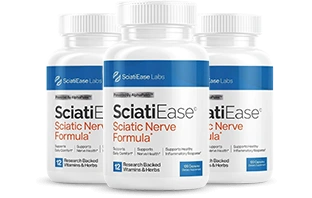
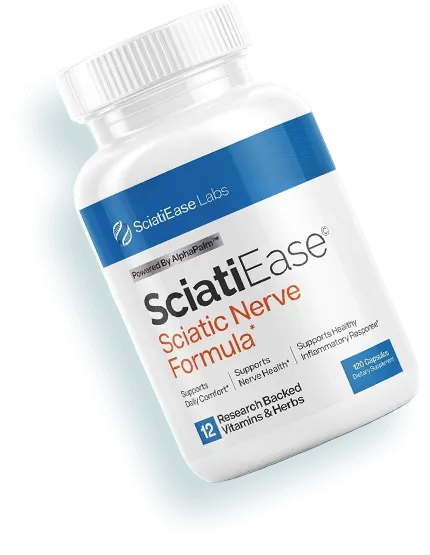
This is where a targeted supplement like Sciatiease can play a valuable role. Designed with a blend of key ingredients specifically chosen for their neuroprotective and anti-inflammatory properties, Sciatiease aims to complement your natural efforts in supporting healthy nerve function and reducing discomfort. It provides a convenient way to ensure consistent intake of vital nutrients that might be challenging to obtain in sufficient quantities through diet alone.
Sciatiease is formulated to address the root causes of nerve discomfort by providing ingredients known to support myelin sheath integrity, reduce oxidative stress, and calm nerve inflammation. It's an option for those seeking comprehensive support to maintain **optimal nerve health** and alleviate the symptoms associated with conditions such as sciatica. For those exploring comprehensive solutions for nerve discomfort, learning about the best supplement for leg nerve pain can provide further insights.
Experience the Sciatiease Difference Today
Don't let nerve discomfort dictate your life. Sciatiease offers a natural, scientifically-backed approach to support your nervous system and help you reclaim comfort and mobility. Crafted with a potent blend of ingredients, it's designed to nourish your nerves from within.
- ✓ Supports healthy nerve function and signal transmission
- ✓ Helps reduce nerve-related discomfort and inflammation
- ✓ Promotes myelin sheath integrity for nerve protection
- ✓ Made with 100% natural, clinically-studied ingredients
- ✓ Manufactured in a GMP-certified facility in the USA




What Our Customers Are Saying
"Sciatiease has been a game-changer for my sciatic pain. I've tried so many things, but combining this with my daily stretches has made a noticeable difference. I can walk further and sleep better now!"
"I was skeptical, but the tingling in my legs has significantly reduced since starting Sciatiease. It's not a miracle cure, but it's definitely helping my nerves feel calmer and more supported. Highly recommend giving it a try."
"My doctor suggested looking into natural nerve support, and I found Sciatiease. The blend of vitamins is exactly what I needed. I feel more energetic, and the constant ache in my lower back is much more manageable. Very pleased!"
Frequently Asked Questions
What are the primary natural ways to support nerve health?
+The primary natural ways include a nutrient-rich diet focusing on B vitamins, Omega-3s, and antioxidants, regular low-impact exercise, stress reduction techniques, adequate sleep, and maintaining good posture.
Which vitamins are most crucial for nerve function and repair?
+Key vitamins include B1 (Thiamine), B6 (Pyridoxine), B12 (Cobalamin), Vitamin D, and Vitamin E. Magnesium and Alpha-Lipoic Acid (ALA) are also vital for nerve health.
How does lifestyle impact nerve health, especially for conditions like sciatica?
+Lifestyle plays a significant role. Regular, gentle exercise strengthens supporting muscles, a balanced diet reduces inflammation, stress management lowers nerve sensitivity, and proper posture alleviates pressure on nerves like the sciatic nerve.
Can diet changes specifically help with nerve pain or sciatica?
+Yes, an anti-inflammatory diet rich in fruits, vegetables, lean proteins, and healthy fats can significantly reduce inflammation that often contributes to nerve pain and sciatica symptoms. Avoiding processed foods, excessive sugar, and unhealthy fats is also beneficial.
When should I consider a supplement like Sciatiease for nerve health?
+Supplements can be considered when dietary intake alone isn't sufficient to meet your nerve health needs, or as part of a comprehensive approach recommended by a healthcare professional. Sciatiease is designed to provide targeted nutritional support for nerve function and comfort.
Is Sciatiease safe to use with other medications?
+While Sciatiease contains natural ingredients, it's always recommended to consult with your doctor or a healthcare professional before starting any new supplement, especially if you are taking other medications or have pre-existing medical conditions, to ensure there are no potential interactions.
Related Articles