Struggling with Sciatica: Is Your Pain Calling for Ice or Heat?
Sciatica, characterized by a sharp, radiating pain that travels along the path of the sciatic nerve, can be debilitating. This pain often extends from your lower back, through your hips and buttocks, and down one leg. Understanding its nuances, including the common causes, is crucial for effective management. For many, the immediate question that arises when sciatica flares up is: should I reach for a hot pack or an ice pack?
The answer isn't always straightforward, as both heat and cold therapy offer distinct benefits and are best suited for different stages or types of pain. Deciphering when to use which can significantly impact your comfort and recovery, making the right thermal application a powerful tool in your sciatica management strategy.
Understanding Sciatica: More Than Just Back Pain
Before diving into thermal therapies, it's essential to grasp what sciatica truly is and what causes it. This understanding empowers you to make informed decisions about your treatment.
Sciatica isn't a condition itself, but rather a symptom of an underlying problem affecting the sciatic nerve. The sciatic nerve is the longest and thickest nerve in the human body, originating from nerve roots in the lower back, extending through the buttocks, and branching down each leg. When this nerve becomes compressed, irritated, or inflamed, it results in the characteristic pain, numbness, tingling, or weakness associated with sciatica.
Common causes of sciatica include a herniated or bulging disc in the lumbar spine, which presses directly on the nerve roots. Other culprits can be spinal stenosis (narrowing of the spinal canal), piriformis syndrome (where the piriformis muscle irritates the sciatic nerve), spondylolisthesis (a condition where one vertebra slips over another), or even trauma. For a deeper dive into the various factors that can trigger this discomfort, you can explore our article on causes-of-sciatica-pain.html.
The pain can range from a mild ache to a sharp, burning sensation or excruciating discomfort. It often worsens with prolonged sitting, standing, or specific movements. Given the varied nature and intensity of sciatica, finding appropriate and timely relief is paramount.
The Power of Cold Therapy: When to Reach for Ice
Cold therapy, or cryotherapy, is a time-honored method for managing acute pain and inflammation. It works by constricting blood vessels, which reduces blood flow to the affected area.
When you experience an acute sciatica flare-up, especially if it's accompanied by sharp pain, swelling, or heat in the lower back or along the leg, cold therapy is often the first line of defense. Its primary benefits include:
- Reducing Inflammation: Ice helps to constrict blood vessels, minimizing the inflammatory response and reducing swelling around the irritated sciatic nerve.
- Numbing Pain: The cold temperature temporarily numbs nerve endings, providing a significant analgesic effect. This can offer immediate, albeit temporary, relief from intense pain.
- Slowing Nerve Impulses: Cold can slow down nerve conduction, which means pain signals are transmitted less rapidly to the brain.
- Decreasing Muscle Spasm: While heat is often associated with muscle relaxation, initial cold application can sometimes help break the cycle of muscle spasms by reducing inflammation and pain that triggers them.
How to Apply Cold Therapy:
Use an ice pack, a bag of frozen vegetables (like peas or corn), or a gel pack wrapped in a thin towel to prevent direct contact with the skin. Apply the cold pack to the painful area for 15-20 minutes at a time. It's crucial to remove the ice after this period to allow blood flow to return and prevent tissue damage. You can repeat this process several times a day, ensuring there's at least an hour between applications. Focus on the lower back, buttocks, or upper thigh where the pain originates or is most intense.
When to Use Cold:
- During the first 24-72 hours of an acute injury or flare-up.
- When pain is accompanied by swelling or heat.
- After activities that might have aggravated your sciatica.
- For sharp, shooting pains.
Precautions with Cold Therapy: Always wrap ice in a cloth and never apply directly to the skin. Avoid prolonged application to prevent frostbite. Do not use cold therapy if you have certain medical conditions like Raynaud's phenomenon, cold urticaria, or severe circulatory problems, as it can worsen these conditions.
The Comfort of Heat Therapy: When Warmth Brings Relief
In contrast to cold, heat therapy (thermotherapy) promotes blood flow and muscle relaxation. It's generally more effective for chronic pain or muscle stiffness.
Once the initial acute inflammation has subsided, or if your sciatica is more characterized by dull aches, stiffness, and muscle tension, heat therapy often provides immense comfort. The benefits of applying heat include:
- Promoting Blood Flow: Heat causes blood vessels to dilate, increasing circulation to the affected area. This enhanced blood flow delivers oxygen and nutrients, aiding in the healing process and flushing out metabolic waste products.
- Relaxing Muscles: Warmth helps to relax tight muscles that might be contributing to sciatic nerve compression. This muscle relaxation can alleviate pressure on the nerve and reduce spasms.
- Alleviating Stiffness: Heat can improve the elasticity of connective tissues, making muscles and joints more pliable and reducing stiffness, which is particularly beneficial before gentle stretching or exercise.
- Providing Comfort: For many, heat simply feels soothing and can offer psychological comfort, which is an important aspect of pain management.
How to Apply Heat Therapy:
You can use a heating pad (on a low or medium setting), a warm bath or shower, a hot water bottle, or warm, moist towels. Like cold therapy, ensure there's a barrier between the heat source and your skin to prevent burns. Apply heat for 15-20 minutes, or up to 30 minutes for chronic conditions. Never fall asleep with a heating pad, as this can lead to severe burns.
When to Use Heat:
- For chronic sciatica pain that is dull, aching, or persistent.
- When experiencing muscle stiffness or spasms in the lower back or leg.
- Before gentle exercises or stretches to warm up muscles and improve flexibility.
- After the acute inflammatory phase (typically after 72 hours).
Precautions with Heat Therapy: Avoid using heat on areas with swelling, bruising, or open wounds. Do not use heat if you have poor sensation in the area (e.g., due to neuropathy) as you might not feel if the heat is too intense. Individuals with certain heart conditions or uncontrolled high blood pressure should consult their doctor before using extensive heat therapy like hot baths.
The Verdict: Heat vs. Cold for Sciatica — Which is Better?
Ultimately, there isn't a single "better" option; the optimal choice depends on the specific nature and stage of your sciatica pain.
As a general rule of thumb:
- For acute, sudden pain with inflammation or swelling: Start with cold therapy. The goal is to reduce inflammation and numb the pain. Think of it like treating a fresh sprain.
- For chronic, persistent aches, stiffness, or muscle tension: Opt for heat therapy. The goal is to relax muscles, increase blood flow, and improve flexibility.
Many individuals find that alternating between heat and cold therapy provides the most comprehensive relief. You might start with cold to reduce initial inflammation and numb the area, and then switch to heat to relax the muscles and improve circulation. This technique can be particularly effective after the initial acute phase, helping to manage both inflammation and muscle tension.
For example, you could apply ice for 15-20 minutes, wait an hour, and then apply heat for 15-20 minutes. Listen to your body and observe which therapy provides the most relief for your specific symptoms.
💡 Key Takeaway
Cold therapy is best for acute sciatica with inflammation and sharp pain, while heat therapy is ideal for chronic aches, stiffness, and muscle relaxation. Often, alternating between both can provide the most comprehensive relief, addressing both inflammation and muscle tension effectively.
Beyond Thermal Therapies: A Holistic Approach to Sciatica Relief
While heat and cold therapy offer immediate symptomatic relief, effective long-term management of sciatica requires a broader strategy. A holistic approach combines various methods to address the root causes and support overall nerve health.
Gentle Exercise and Stretching
Regular, low-impact exercise and specific stretches can significantly alleviate sciatica. Activities like walking, swimming, and cycling can strengthen core muscles and improve spinal support. Targeted stretches, such as knee-to-chest stretches, piriformis stretches, and hamstring stretches, help to decompress the sciatic nerve and improve flexibility. Consistency is key, but always start gently and stop if pain increases.
Physical Therapy
A physical therapist can design a personalized exercise program that addresses your specific condition. They use techniques like manual therapy, therapeutic exercises, and modalities (like ultrasound or electrical stimulation) to reduce pain, improve mobility, and prevent future flare-ups. This expert guidance is invaluable for proper form and progressive strengthening.
Medication and Injections
Over-the-counter pain relievers such as NSAIDs (ibuprofen, naproxen) can help manage pain and inflammation. For more severe cases, doctors may prescribe muscle relaxants, oral steroids, or stronger pain medications. Epidural steroid injections are another option, delivering anti-inflammatory medication directly to the nerve roots to provide temporary relief.
Mind-Body Techniques
Chronic pain can take a toll on mental well-being. Practices like yoga, meditation, and mindfulness can help manage pain perception and reduce stress, which often exacerbates pain. Techniques such as deep breathing and guided imagery can also be powerful tools in coping with persistent discomfort and promoting relaxation.
Ergonomic Adjustments
Your daily environment plays a significant role in sciatica management. Ensuring proper ergonomics at your workstation, using a supportive chair, and maintaining good posture while sitting, standing, and lifting can prevent unnecessary strain on your lower back and sciatic nerve. Small adjustments can make a big difference in reducing daily irritation.
Nutritional Support and Supplements
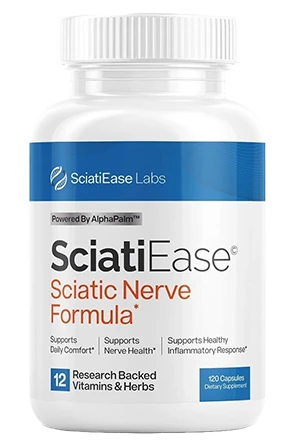
A diet rich in anti-inflammatory foods can support overall health and reduce systemic inflammation that might contribute to nerve irritation. Additionally, certain supplements can play a supportive role. For instance, magnesium for back pain is often considered for its muscle-relaxing properties, while compounds like turmeric are known for their potent anti-inflammatory effects. Incorporating a well-formulated supplement designed to support nerve health and reduce inflammation can be a valuable part of a comprehensive strategy for sciatica relief.
Key Ingredients in Sciatiease for Comprehensive Support
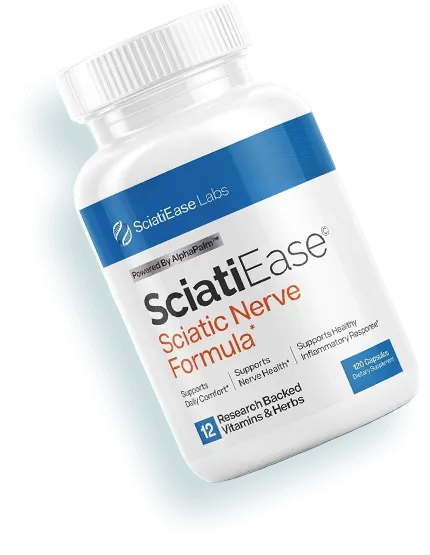
Sciatiease is formulated with a blend of natural ingredients known for their anti-inflammatory, analgesic, and nerve-supporting properties. These ingredients work synergistically to address various aspects of sciatica and lower back pain.
Turmeric (Curcuma longa)
Role: A powerful anti-inflammatory agent, curcumin (the active compound in turmeric) helps reduce pain and swelling associated with nerve irritation. It's widely studied for its ability to modulate inflammatory pathways. Many find relief from inflammation-related conditions, and we even have an article dedicated to turmeric-for-sciatica.html.
Standardized extract (95% curcuminoids), typically 500-1000mg.Boswellia Serrata Extract
Role: Known for its potent boswellic acids, this ancient herb provides significant anti-inflammatory benefits by inhibiting specific enzymes involved in inflammation. It helps to reduce swelling and pain, making it effective for joint and nerve discomfort.
Standardized extract (65% boswellic acids), typically 100-250mg.White Willow Bark
Role: Often called "nature's aspirin," white willow bark contains salicin, which the body converts into salicylic acid. It works as a natural pain reliever and anti-inflammatory, offering gentle yet effective relief for various types of pain, including nerve pain.
Standardized extract (15% salicin), typically 100-200mg.Alpha-Lipoic Acid (ALA)
Role: A potent antioxidant, ALA protects nerve cells from oxidative damage and can improve nerve function. It's particularly beneficial for neuropathic pain, which often accompanies sciatica, by supporting nerve regeneration and reducing symptoms like tingling and numbness.
Typically 100-200mg.Magnesium
Role: This essential mineral plays a crucial role in muscle relaxation and nerve function. Magnesium deficiency can contribute to muscle spasms and nerve hyperexcitability, exacerbating sciatica symptoms. Supplementing can help relax tight muscles and support healthy nerve signaling.
Typically 100-200mg (elemental magnesium).Feverfew Extract
Role: Historically used for pain relief, feverfew contains parthenolides, compounds with anti-inflammatory properties. It helps reduce muscle spasms and inflammation, contributing to overall pain reduction, especially in conditions involving nerve irritation.
Standardized extract, typically 50-100mg.Skullcap Extract
Role: Known for its calming and nervine properties, skullcap helps to reduce anxiety and muscle tension. By promoting relaxation, it can indirectly alleviate nerve compression and muscle spasms that contribute to sciatica pain.
Typically 50-100mg.Passionflower Extract
Role: Similar to skullcap, passionflower is a natural sedative that can ease nervous tension and promote relaxation. Its ability to calm the nervous system can help mitigate the stress and muscle tightness often associated with chronic pain conditions like sciatica.
Typically 50-100mg.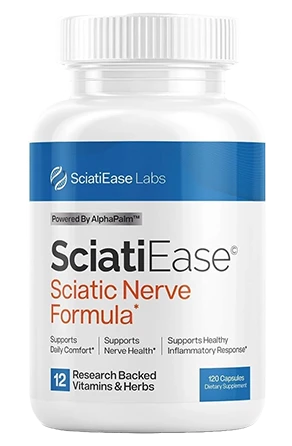
Experience the Difference with Sciatiease: Your Natural Path to Relief
If you're tired of temporary solutions and are seeking a comprehensive, natural approach to managing your sciatica and lower back pain, Sciatiease is designed for you. Our unique blend of clinically-backed ingredients works to target inflammation, support nerve health, and promote muscle relaxation, offering you the relief you deserve.
- ✓ Reduces nerve pain and inflammation naturally
- ✓ Supports healthy nerve function and regeneration
- ✓ Alleviates muscle spasms and stiffness
- ✓ Promotes overall back health and mobility
- ✓ Made with 100% natural, non-GMO ingredients




What Our Customers Are Saying
"Sciatiease has been a game-changer for my chronic sciatica. I've tried everything, but this supplement truly helps reduce the sharp pains and stiffness. I feel more mobile and less reliant on heat pads."
"After years of on-and-off sciatica, I decided to try Sciatiease. The combination of ingredients seems to calm my nerves and reduce the nagging ache. I can finally enjoy my walks again without constant discomfort."
"I was skeptical, but Sciatiease delivered. My lower back pain and leg tingling have significantly improved. It works well alongside my stretching routine. Highly recommend for anyone with sciatic issues."
Frequently Asked Questions
Is heat or cold better for sciatica pain?
+Both heat and cold therapy can be effective for sciatica, but they serve different purposes and are best used at different stages or for different types of pain. Cold therapy is generally recommended for acute pain and inflammation, while heat therapy is better for chronic pain, muscle relaxation, and improving blood flow.
How long should I apply heat or cold for sciatica?
+For cold therapy, apply for 15-20 minutes at a time, several times a day, with at least an hour in between applications. For heat therapy, use for 15-20 minutes, or up to 30 minutes for chronic issues, ensuring the skin is protected and checking for redness. Never sleep with a heating pad.
Can I use both heat and cold therapy for sciatica?
+Yes, alternating heat and cold can be very beneficial for sciatica. Start with cold to reduce initial inflammation and numb the area, then switch to heat to relax muscles and increase circulation. This can be particularly effective after the acute phase.
What are the risks of using heat or cold therapy incorrectly?
+Incorrect use can lead to skin burns (from excessive heat or prolonged contact) or frostbite (from direct ice contact without a barrier). Always wrap ice packs in a cloth and use warm, not scalding, heat. Avoid applying either therapy to broken skin or areas with poor circulation.
When should I avoid heat or cold therapy for sciatica?
+Avoid cold therapy if you have poor circulation, Raynaud's phenomenon, or are hypersensitive to cold. Avoid heat therapy if you have an acute injury with swelling, open wounds, dermatitis, or severe nerve damage. Always consult a healthcare professional if unsure.
Are there other effective treatments for sciatica besides heat and cold?
+Absolutely. Beyond heat and cold, effective treatments include gentle stretching and exercise, physical therapy, over-the-counter pain relievers, prescription medications, acupuncture, massage, and natural supplements like Sciatiease, which supports nerve health and reduces inflammation.
Related Articles