Are Muscle Spasms and Persistent Back Pain Holding You Back?
Chronic back pain, often accompanied by debilitating muscle spasms, affects millions worldwide, significantly impacting quality of life. From a nagging ache to sharp, shooting pain characteristic of sciatica, finding effective relief is a top priority for many.
While various treatment approaches exist, the role of essential nutrients is often overlooked. One such mineral, magnesium, is gaining significant attention for its potential to alleviate both back pain and muscle spasms, offering a natural pathway to comfort and improved mobility.
The Silent Epidemic: Understanding Back Pain and Sciatica
Back pain is not just a nuisance; it's a complex condition that can drastically reduce quality of life, limiting movement, disrupting sleep, and impacting mental well-being. When muscle spasms are thrown into the mix, the discomfort can become unbearable. Let's delve into the nature of these conditions.
Lower back pain, in particular, is one of the most common reasons for doctor visits and missed workdays globally. It can range from a dull, constant ache to sudden, sharp pain that makes movement difficult. Often, this pain is accompanied by involuntary contractions of the back muscles, known as muscle spasms. These spasms can be incredibly painful, sometimes feeling like a charley horse in your back, and they can severely restrict your range of motion.
Sciatica is a specific type of back pain that occurs when the sciatic nerve, the longest nerve in the body, becomes compressed or irritated. This can lead to pain that radiates from the lower back down through the buttock and into one or both legs, often accompanied by numbness, tingling, or weakness. Muscle spasms in the lower back or glutes can often contribute to sciatic nerve compression, intensifying the pain and discomfort.
While causes vary from disc herniation and spinal stenosis to poor posture and injury, an often-overlooked factor is nutritional deficiency. Addressing underlying deficiencies can be a crucial step in managing and preventing chronic back pain and muscle spasms. This is where the mighty mineral, magnesium, enters the conversation.
💡 Key Takeaway
Back pain, including sciatica and muscle spasms, significantly impairs daily life. While structural issues are common causes, nutritional deficiencies, particularly in magnesium, play a critical and often overlooked role in the severity and persistence of these conditions.
Magnesium: The Essential Mineral for Muscle and Nerve Health
Magnesium is a powerhouse mineral, involved in over 300 enzymatic reactions in the human body. It's crucial for everything from energy production and DNA synthesis to blood sugar control and blood pressure regulation. But its role in musculoskeletal and neurological health is particularly relevant for those suffering from back pain and muscle spasms.
Think of magnesium as nature's relaxant. It plays a pivotal role in muscle contraction and relaxation. Calcium, another vital mineral, initiates muscle contraction, while magnesium helps muscles relax. Without sufficient magnesium, muscles can remain contracted, leading to stiffness, cramps, and debilitating spasms. This is particularly true for the muscles supporting your spine, making magnesium deficiency a direct contributor to back pain.
Beyond muscle relaxation, magnesium is essential for proper nerve function. It helps regulate neurotransmitters, which send messages throughout your brain and nervous system. Adequate magnesium levels ensure smooth nerve signal transmission, while a deficiency can lead to increased nerve excitability, contributing to nerve pain and heightened sensitivity—a common experience for those with sciatica. Magnesium also has anti-inflammatory properties, which can help reduce the inflammation often associated with nerve irritation and tissue damage in the back.
Given its widespread impact on muscle relaxation, nerve function, and inflammation, it's clear why magnesium is increasingly recognized as a vital nutrient for those seeking relief from back pain, sciatica, and muscle spasms. Many people are unknowingly deficient, making supplementation a potentially game-changing intervention.
The Link Between Magnesium Deficiency and Your Pain
Despite its critical importance, magnesium deficiency is remarkably common. Modern diets, chronic stress, certain medications, and even soil depletion in agriculture can all contribute to insufficient magnesium intake. When your body lacks this vital mineral, the consequences can manifest in various painful ways.
One of the most immediate and noticeable signs of low magnesium is muscle cramping and spasms. If you frequently experience involuntary muscle contractions, especially in your legs or back, magnesium deficiency could be a primary culprit. These spasms can range from mild twitches to severe, debilitating cramps that mimic or exacerbate sciatic pain. The muscles around the spine are particularly vulnerable, leading to chronic tension and stiffness that contributes to persistent lower back discomfort.
Furthermore, magnesium helps regulate the body's pain receptors. When magnesium levels are low, the body may become more sensitive to pain, essentially amplifying discomfort. This heightened pain perception can make conditions like sciatica feel even more severe and difficult to manage. It also plays a role in nerve signal conduction. An imbalance can lead to overactive nerve signals, contributing to the tingling, numbness, and shooting pains associated with sciatic nerve irritation. For more insights on nerve pain, you might find our article on the best supplements for leg nerve pain helpful.
The anti-inflammatory effects of magnesium are also crucial. Chronic inflammation is a significant driver of many pain conditions, including those affecting the back and joints. By helping to reduce systemic inflammation, magnesium can indirectly alleviate pain and promote healing in damaged tissues. Recognizing and addressing a magnesium deficiency can therefore be a foundational step in creating a more resilient, pain-free body.
The Many Forms of Magnesium: Choosing What's Right for You
Not all magnesium supplements are created equal. The form of magnesium determines its bioavailability (how well your body absorbs and utilizes it) and its specific benefits. Understanding these differences can help you choose the best option for managing your back pain and muscle spasms.
Magnesium Glycinate
Known for its high bioavailability and gentle effect on the digestive system, magnesium glycinate is often recommended for muscle relaxation, reducing cramps, and improving sleep quality. Its calming properties make it ideal for addressing muscle spasms and general tension contributing to back pain.
Magnesium Citrate
A very popular and well-absorbed form, magnesium citrate is often used for its laxative effect in higher doses but is also effective for general magnesium supplementation to support muscle and nerve function. It's a good all-around choice for addressing deficiency.
Magnesium Malate
This form is bound to malic acid, which is involved in energy production. Magnesium malate is often favored by individuals experiencing muscle fatigue, fibromyalgia, and general body aches. It can be particularly beneficial for chronic back pain where muscle soreness is a significant factor.
Magnesium L-Threonate
While newer, magnesium L-threonate has gained attention for its ability to cross the blood-brain barrier, making it effective for cognitive function. For back pain, this form's potential to directly impact nerve health and reduce neuropathic pain associated with sciatica is promising.
When selecting a supplement, look for highly absorbable forms to ensure your body can make the most of this crucial mineral. Often, a blend of different magnesium types can provide comprehensive benefits, targeting various aspects of pain relief and overall well-being.
Beyond Magnesium: A Holistic Approach to Back and Sciatic Nerve Health
While magnesium is a powerful ally against back pain and muscle spasms, a truly effective strategy often involves a multi-faceted approach. Optimal nerve and muscle health depend on a synergy of nutrients and lifestyle choices.
Other vitamins and minerals play crucial roles in supporting the nervous system and reducing inflammation. For instance, B vitamins, particularly B1 (Thiamine), B6 (Pyridoxine), and B12 (Cobalamin), are essential for nerve regeneration and function. They can significantly help reduce neuropathic pain associated with sciatica. Antioxidants like Alpha-Lipoic Acid also offer significant benefits by protecting nerve cells from damage and improving nerve signal transmission. To learn more about how vitamins can help, read our article on sciatic nerve support vitamins.
Anti-inflammatory botanicals further enhance pain relief. Ingredients such as Turmeric (Curcumin) and Boswellia Serrata are well-researched for their potent anti-inflammatory properties, which can help soothe irritated nerves and reduce swelling in the back. Ginger Root Extract also offers natural pain relief and anti-inflammatory benefits.
Beyond supplementation, lifestyle factors are paramount. Regular, gentle exercise tailored to your condition, maintaining a healthy weight, practicing good posture, and stress management techniques like yoga or meditation can all contribute to a healthier back. Hydration is also key, as dehydrated muscles are more prone to spasms.
Combining these strategies—a diet rich in magnesium, targeted supplementation, and healthy lifestyle choices—creates a powerful defense against the debilitating effects of back pain, muscle spasms, and sciatica. It’s about nourishing your body from within to support its natural healing processes and regain comfort and mobility.
Key Ingredients for Comprehensive Sciatica and Back Pain Relief
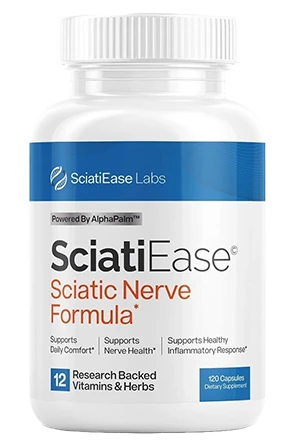
A truly effective supplement for back pain and sciatica often combines several synergistic ingredients. Sciatiease is formulated to provide comprehensive support, targeting nerve health, muscle relaxation, and inflammation reduction. Here are some of the key components that work together to deliver relief:
Magnesium Complex
Role: Essential for muscle relaxation, nerve function, and reducing muscle spasms. Our blend includes highly bioavailable forms to ensure optimal absorption and effectiveness in calming overactive muscles and nerves.
B Vitamin Complex
Role: Crucial for nerve health and regeneration, particularly B1 (Thiamine), B6 (Pyridoxine), and B12 (Cobalamin). These vitamins support myelin sheath integrity and nerve signal transmission, reducing neuropathic pain.
Alpha-Lipoic Acid (ALA)
Role: A potent antioxidant that protects nerve cells from oxidative damage and inflammation. ALA is well-regarded for its ability to improve nerve function and alleviate symptoms of nerve pain, including burning and tingling.
Turmeric Extract (Curcumin)
Role: A powerful natural anti-inflammatory compound. Curcumin helps reduce systemic inflammation, which is often a root cause of pain and irritation in the lower back and around the sciatic nerve.
Boswellia Serrata
Role: An ancient herb known for its strong anti-inflammatory properties. Boswellia helps to reduce swelling and pain by inhibiting inflammatory pathways, providing targeted relief for joint and muscle discomfort.
Ginger Root Extract
Role: Widely recognized for its natural analgesic and anti-inflammatory effects. Ginger helps to calm pain and reduce inflammation, contributing to overall comfort and mobility in the back.
This carefully selected blend ensures that Sciatiease addresses multiple pathways of pain and discomfort, offering a holistic solution for those struggling with sciatica and lower back pain. By providing these essential nutrients in optimal forms, Sciatiease supports your body’s natural ability to heal and find lasting relief.
Experience the Sciatiease Difference: Targeted Relief for Back Pain & Sciatica
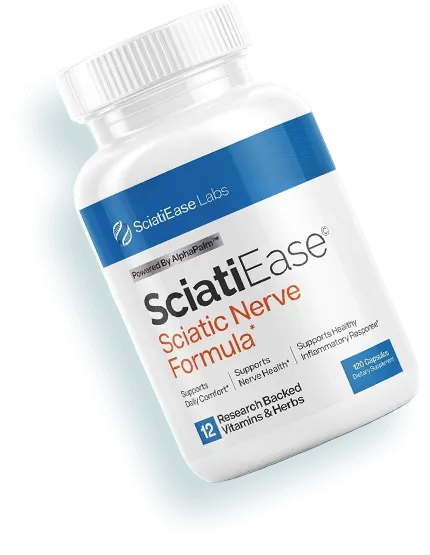
Don't let back pain and muscle spasms dictate your life any longer. Sciatiease offers a meticulously crafted formula designed to support your body's natural ability to overcome discomfort and restore mobility. With a blend of highly effective ingredients, including essential magnesium and powerful anti-inflammatory agents, Sciatiease targets the root causes of your pain.
- ✓ Reduces Muscle Spasms & Tension
- ✓ Supports Healthy Nerve Function
- ✓ Alleviates Sciatic Nerve Discomfort
- ✓ Promotes Overall Spinal Health
- ✓ All-Natural, Non-GMO, and Made in USA




What Our Customers Are Saying
"I've struggled with lower back spasms for years, especially with my sciatica flaring up. Sciatiease, with its magnesium blend, has been a game-changer. My spasms are less frequent and less intense, and the nerve pain is significantly reduced. Highly recommend!"
"After trying countless remedies for my chronic back pain, I was skeptical, but Sciatiease delivered. I noticed a difference in my muscle stiffness and overall discomfort within a few weeks. It's a natural solution that actually works, and the magnesium truly helps."
"The relief I've found from my sciatica since starting Sciatiease is incredible. The combination of ingredients seems to target the nerve pain directly, and the muscle relaxant effect from the magnesium is noticeable. I can finally enjoy walks again without constant pain."
Frequently Asked Questions
What is magnesium and how does it help with back pain?
+Magnesium is an essential mineral involved in over 300 biochemical reactions in the body. For back pain, it acts as a natural muscle relaxant, reducing muscle spasms and tension. It also plays a role in nerve function, inflammation reduction, and bone health, all of which contribute to alleviating various types of back discomfort, including sciatica.
Can magnesium deficiency cause muscle spasms and sciatica?
+Yes, magnesium deficiency is a common underlying cause of muscle cramps, spasms, and heightened nerve sensitivity. When magnesium levels are low, muscles can involuntarily contract, leading to painful spasms. This can exacerbate existing back pain and nerve irritation, potentially worsening sciatica symptoms.
What are the best forms of magnesium for nerve and muscle pain?
+For nerve and muscle pain, highly absorbable forms of magnesium are recommended. Magnesium glycinate is excellent for muscle relaxation and sleep due to its calming properties. Magnesium malate can help with muscle fatigue and pain. Magnesium citrate is well-absorbed and commonly used, while magnesium L-threonate is noted for its potential to cross the blood-brain barrier and support nerve health directly.
How much magnesium should I take for back pain relief?
+The optimal dosage can vary based on individual needs, deficiency levels, and the form of magnesium. Generally, adults might consider 200-400 mg of elemental magnesium daily. It's crucial to start with a lower dose and gradually increase to avoid digestive upset. Always consult a healthcare professional before starting any new supplement regimen to determine the appropriate dosage for your specific condition.
Are there any side effects of taking magnesium for back pain?
+When taken within recommended dosages, magnesium is generally safe. The most common side effect is digestive upset, such as diarrhea, especially with forms like magnesium citrate or oxide in high doses. Less common side effects can include nausea or abdominal cramping. If you experience severe side effects or have kidney issues, consult your doctor immediately. High doses can also interact with certain medications.
How does Sciatiease incorporate magnesium for back pain and sciatica?
+Sciatiease is formulated with a synergistic blend of ingredients designed to support nerve health and reduce inflammation, including highly bioavailable forms of magnesium. This magnesium works alongside other key nutrients like B vitamins, alpha-lipoic acid, and anti-inflammatory botanicals to address muscle spasms, nerve irritation, and overall back discomfort, offering comprehensive relief for sciatica and lower back pain.
Related Articles