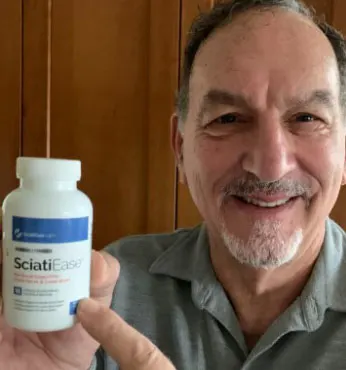
Are you seeking natural relief for persistent sciatica pain and inflammation?
Sciatica, a debilitating condition characterized by pain radiating along the sciatic nerve, often stems from underlying inflammation and nerve compression. While conventional treatments offer solutions, many individuals are turning to natural alternatives to complement their pain management strategy.
Among the most promising natural compounds is turmeric curcumin, celebrated for its potent anti-inflammatory and analgesic properties. This ancient spice has been revered in traditional medicine for centuries, and modern science is now validating its potential to alleviate the discomfort associated with sciatica and lower back pain.
Understanding Sciatica and the Role of Inflammation
Sciatica is more than just a backache; it's a specific type of nerve pain that originates in the lower back and radiates down the leg, sometimes reaching the foot. This distinct pathway of pain is due to the involvement of the sciatic nerve, the longest and thickest nerve in the human body.
The primary cause of sciatica is typically the compression or irritation of one of the five nerve roots that merge to form the sciatic nerve. Common culprits include a herniated disc, bone spurs on the vertebrae, or spinal stenosis (narrowing of the spinal canal). However, regardless of the initial mechanical cause, a significant component of sciatica pain is often driven by inflammation. When a nerve root is compressed or damaged, the body's natural response is to initiate an inflammatory process. This inflammation leads to swelling, which further increases pressure on the already compromised nerve, intensifying pain signals and potentially causing nerve damage over time.
The inflammatory cascade involves the release of various chemical mediators like prostaglandins, cytokines (e.g., TNF-alpha, IL-6), and leukotrienes. These substances not only amplify pain but also contribute to nerve sensitization, making the nerve more prone to firing pain signals even with minimal stimulation. This is why addressing inflammation is a crucial aspect of effective sciatica management.
For many, the discomfort of sciatica can range from a dull ache to a sharp, burning sensation, often accompanied by numbness, tingling, or muscle weakness in the affected leg. The severity and location of symptoms depend on which nerve root is affected. Left unaddressed, chronic inflammation can lead to persistent pain, reduced mobility, and a significant decrease in quality of life. Therefore, exploring strategies that can effectively mitigate this inflammatory response is paramount for long-term relief and nerve health.
💡 Key Takeaway
Sciatica pain is often a direct result of nerve compression and the subsequent inflammatory response. Targeting this inflammation is key to reducing pain, alleviating pressure on the sciatic nerve, and promoting healing.
Turmeric and Curcumin: Nature's Anti-Inflammatory Powerhouse
Originating from the root of the Curcuma longa plant, turmeric is a vibrant yellow spice widely used in Ayurvedic and traditional Chinese medicine for thousands of years. While turmeric itself offers various health benefits, its true therapeutic power lies in a group of active compounds called curcuminoids, with curcumin being the most prominent and extensively studied.
What is Turmeric?
Turmeric is a rhizome, similar to ginger, belonging to the Zingiberaceae family. It's commonly used as a culinary spice, particularly in Asian cuisine, and gives curry its distinctive color. Beyond its culinary uses, it's been a staple in traditional healing practices for its purported medicinal properties, including anti-inflammatory, antioxidant, and digestive benefits.
What is Curcumin?
Curcumin is the primary active compound in turmeric and is responsible for most of its pharmacological effects. It's a polyphenol with a complex molecular structure that allows it to interact with multiple biochemical pathways in the body. However, curcumin constitutes only about 2-5% of raw turmeric, meaning that consuming turmeric spice alone may not provide sufficient therapeutic doses of curcumin.
Bioavailability Challenge
One of the main challenges with curcumin is its poor bioavailability. It is not easily absorbed into the bloodstream, rapidly metabolized, and quickly excreted from the body. To overcome this, curcumin supplements are often formulated with enhancers like piperine (black pepper extract), which can significantly boost its absorption, or delivered in specialized formulations (e.g., liposomal, phytosomal) to increase its systemic availability and efficacy.
How Curcumin Fights Sciatica-Related Inflammation and Pain
The scientific community has extensively investigated curcumin's mechanisms of action, particularly its potent anti-inflammatory and analgesic effects. These properties make it a compelling natural agent for conditions like sciatica, where inflammation plays a central role.
Curcumin's anti-inflammatory power is multifaceted, operating on several molecular targets within the inflammatory cascade:
- Inhibition of NF-κB: Nuclear Factor kappa-light-chain-enhancer of activated B cells (NF-κB) is a master regulator of inflammation. It controls the expression of numerous genes involved in inflammatory responses, including those that produce pro-inflammatory cytokines, chemokines, and adhesion molecules. Curcumin has been shown to powerfully inhibit NF-κB activation, thereby dampening the entire inflammatory process.
- Suppression of COX-2 and LOX Enzymes: Cyclooxygenase-2 (COX-2) and lipoxygenase (LOX) are enzymes responsible for producing pro-inflammatory mediators like prostaglandins and leukotrienes, respectively. These are the same targets of many conventional anti-inflammatory drugs (NSAIDs). Curcumin effectively inhibits both COX-2 and LOX, reducing the production of these pain and inflammation-inducing chemicals.
- Modulation of Cytokines: Curcumin helps to balance the body's cytokine response. It reduces the levels of pro-inflammatory cytokines such as Tumor Necrosis Factor-alpha (TNF-α), Interleukin-1 beta (IL-1β), and Interleukin-6 (IL-6), which are heavily involved in nerve irritation and pain signaling in sciatica. Simultaneously, it can promote the production of anti-inflammatory cytokines.
- Antioxidant Activity: Inflammation often goes hand-in-hand with oxidative stress, where an imbalance of free radicals and antioxidants leads to cellular damage. Curcumin is a potent antioxidant, capable of neutralizing free radicals and boosting the body's own antioxidant enzymes, thus protecting nerve cells from oxidative damage that can exacerbate sciatica pain.
- Neuroprotective Effects: Beyond its anti-inflammatory actions, curcumin exhibits neuroprotective properties. It can help protect nerve cells from damage, promote nerve regeneration, and support overall nerve health, which is crucial for recovery from sciatica. By reducing inflammation around the sciatic nerve, it can alleviate pressure and allow the nerve to heal more effectively.
By targeting these multiple pathways, curcumin offers a comprehensive approach to managing sciatica inflammation and pain, addressing both the symptoms and underlying mechanisms. This multi-target action is what sets natural compounds like curcumin apart from single-target pharmaceutical drugs.
Scientific Evidence Supporting Curcumin for Sciatica and Pain
While research specifically on curcumin for sciatica is evolving, numerous studies have highlighted its efficacy in managing inflammatory pain conditions, which provides a strong basis for its potential benefits in sciatica.
General Anti-inflammatory Effects
Multiple systematic reviews and meta-analyses have confirmed curcumin's significant anti-inflammatory properties across various conditions. It has been shown to reduce markers of inflammation such as C-reactive protein (CRP) and various cytokines, which are also elevated in sciatica. This broad anti-inflammatory action is crucial for alleviating nerve irritation.
Pain Relief in Chronic Conditions
Studies have demonstrated curcumin's effectiveness in reducing pain in conditions like osteoarthritis, rheumatoid arthritis, and other chronic musculoskeletal pain. Its analgesic effects are often comparable to, or synergistic with, NSAIDs, but with a potentially better safety profile. This suggests it can be a valuable adjunct for managing the persistent pain of sciatica.
Neuroprotection and Nerve Repair
Preclinical studies have indicated that curcumin can exert neuroprotective effects, protecting nerve cells from injury and promoting regeneration. In models of nerve damage, curcumin has been shown to reduce nerve edema, improve nerve conduction velocity, and support functional recovery. These findings are highly relevant to the recovery process in sciatica, where nerve damage can be a concern.
Reduction of Sciatic Nerve Compression Symptoms
While human clinical trials directly on sciatica are limited, animal studies focusing on experimentally induced sciatic nerve injury have shown promising results. Curcumin supplementation has been observed to reduce pain behaviors, decrease inflammatory markers in the nerve tissue, and improve histological signs of nerve recovery. These findings pave the way for more targeted human research.
Improved Functional Outcomes
Beyond just pain reduction, some research suggests that curcumin can improve functional outcomes in individuals with chronic pain, leading to better mobility and quality of life. For sciatica sufferers, this could translate to improved ability to perform daily activities, reduced reliance on pain medication, and a more active lifestyle.
It is important to note that while the evidence is compelling, more large-scale, placebo-controlled human trials specifically on sciatica are needed to establish definitive treatment protocols. However, the existing body of evidence strongly supports curcumin's role as a potent natural agent for managing inflammation and pain, making it a valuable consideration for those experiencing sciatica.
Optimal Dosage and Bioavailability for Sciatica Relief
To harness the full therapeutic potential of curcumin for sciatica, two critical factors must be considered: the dosage and, perhaps even more importantly, its bioavailability.
As mentioned, curcumin has poor bioavailability, meaning a significant portion of it is not absorbed into the bloodstream. This is why simply consuming turmeric spice in your diet may not provide sufficient therapeutic levels of curcumin. High-quality supplements are designed to overcome this hurdle.
Recommended Dosage
For inflammatory conditions, typical daily dosages of standardized curcumin extract (usually 95% curcuminoids) range from 500 mg to 1500 mg, often divided into two or three doses. However, the optimal dosage can vary based on the specific formulation and individual needs. It is always advisable to start with a lower dose and gradually increase it while monitoring your body's response.
Enhancing Bioavailability
Choosing a curcumin supplement with enhanced bioavailability is crucial. Here are common strategies:
- Piperine (Black Pepper Extract): The most common and well-researched method. Piperine can increase curcumin absorption by up to 2000% by inhibiting metabolic enzymes that break down curcumin in the gut and liver.
- Liposomal Formulations: Encapsulating curcumin in liposomes (tiny fat bubbles) allows it to bypass the digestive breakdown and be absorbed more efficiently.
- Phytosomal Formulations (e.g., Meriva): Curcumin complexed with phospholipids (like phosphatidylcholine) forms phytosomes, which significantly improve absorption.
- Micellar Formulations (e.g., NovaSOL): Curcumin is incorporated into micelles, which are tiny, water-soluble spheres that enhance its solubility and absorption.
When selecting a supplement for sciatica, look for products that explicitly state their curcumin content and the method used to enhance bioavailability. Without these enhancements, even a high dose may not deliver enough active curcumin to the sciatic nerve and surrounding tissues to exert its anti-inflammatory effects.
Always consult with a healthcare professional before starting any new supplement regimen, especially if you have existing medical conditions or are taking other medications. They can provide personalized advice on the appropriate dosage and formulation for your specific needs, considering potential interactions or contraindications. Understanding the intricacies of supplements, such as those designed for nerve pain, is essential. For more detailed insights, you might find our article on The Best Supplement for Sciatica Nerve Pain particularly informative.
💡 Key Takeaway
For effective sciatica relief, choose a curcumin supplement standardized to 95% curcuminoids, typically dosed between 500-1500 mg daily, and crucially, one that utilizes a bioavailability enhancer like piperine or advanced delivery systems.
Potential Side Effects and Precautions with Curcumin
While turmeric curcumin is generally considered safe for most individuals when taken orally in appropriate doses, it's important to be aware of potential side effects and precautions.
Common Side Effects
Most side effects are mild and related to the digestive system. These can include:
- Digestive Upset: Nausea, diarrhea, stomach upset, or constipation, especially at high doses.
- Headache: Infrequent, but some individuals may experience headaches.
- Skin Rash: Rarely, an allergic skin reaction can occur.
Drug Interactions
Curcumin can interact with certain medications, altering their effects. It's crucial to consult your doctor if you are taking any of the following:
- Blood Thinners (Anticoagulants/Antiplatelets): Curcumin may slow blood clotting, increasing the risk of bleeding or bruising when taken with medications like warfarin, aspirin, clopidogrel, or NSAIDs.
- Diabetes Medications: Curcumin may lower blood sugar levels, potentially leading to hypoglycemia when combined with anti-diabetic drugs.
- Stomach Acid Reducers: Curcumin may increase stomach acid, potentially interfering with medications like omeprazole, cimetidine, or famotidine.
- Chemotherapy Drugs: Curcumin can interact with certain chemotherapy agents; its use during cancer treatment should be strictly supervised by an oncologist.
Specific Health Conditions
Certain individuals should exercise caution or avoid curcumin:
- Gallbladder Problems: Curcumin can stimulate bile production, which might exacerbate symptoms in individuals with gallstones or bile duct obstruction.
- Pregnant or Breastfeeding Women: Due to insufficient research on safety, pregnant or nursing women should avoid high doses of curcumin.
- Iron Deficiency: High doses of turmeric can inhibit iron absorption.
- Surgery: Due to its blood-thinning effects, discontinue curcumin at least two weeks before any scheduled surgery.
Always disclose all supplements you are taking to your healthcare provider to ensure safe and effective use, especially when managing a condition like sciatica or lower back pain. For those exploring other nutritional avenues, our article on Essential Vitamins for Lower Back Pain offers additional valuable information.
Integrating Turmeric Curcumin into a Holistic Sciatica Management Plan
While turmeric curcumin offers significant promise for managing sciatica inflammation, it's most effective when integrated into a broader, holistic approach to nerve health and pain management. Sciatica is a complex condition, and addressing it from multiple angles often yields the best results.
Physical Therapy & Exercise
A cornerstone of sciatica treatment, physical therapy helps strengthen core muscles, improve flexibility, and correct posture, reducing pressure on the sciatic nerve. Specific exercises, stretches, and manual therapy techniques can significantly alleviate pain and prevent recurrence. Combining these with curcumin's anti-inflammatory effects can enhance recovery.
Anti-Inflammatory Diet
Diet plays a crucial role in managing systemic inflammation. Incorporate plenty of fruits, vegetables, whole grains, lean proteins, and omega-3 fatty acids (found in fish, flaxseeds). Limit processed foods, sugar, unhealthy fats, and excessive red meat, which can contribute to inflammation. Turmeric itself can be a part of this diet, but therapeutic doses require supplementation.
Stress Management
Chronic stress can exacerbate pain perception and muscle tension, which can worsen sciatica symptoms. Practices like meditation, deep breathing exercises, yoga, and mindfulness can help reduce stress levels, improve coping mechanisms, and indirectly contribute to pain relief.
Ergonomics & Posture
Poor posture and improper body mechanics, especially during prolonged sitting or lifting, can contribute to sciatica. Ensure your workstation is ergonomically sound, use proper lifting techniques, and take regular breaks to move and stretch. Maintaining a healthy spinal alignment is vital for long-term nerve health.
Quality Sleep
Adequate, restorative sleep is essential for the body's healing processes and pain modulation. Ensure you have a supportive mattress and pillows. Establishing a consistent sleep schedule and creating a conducive sleep environment can significantly impact your pain levels and overall well-being.
Complementary Therapies
Consider therapies like acupuncture, massage therapy, chiropractic care, or heat/cold therapy. These can provide additional pain relief, reduce muscle spasms, and improve circulation to the affected area, working synergistically with the anti-inflammatory effects of curcumin.
By combining the targeted action of turmeric curcumin with these holistic strategies, individuals with sciatica can create a powerful, multi-pronged approach to reduce inflammation, alleviate pain, and promote lasting nerve health. Remember, consistency across all these areas is key to achieving sustainable relief and preventing future flare-ups.
Sciatiease: A Comprehensive Approach to Sciatica Relief
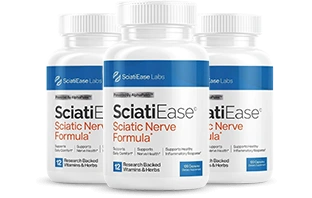
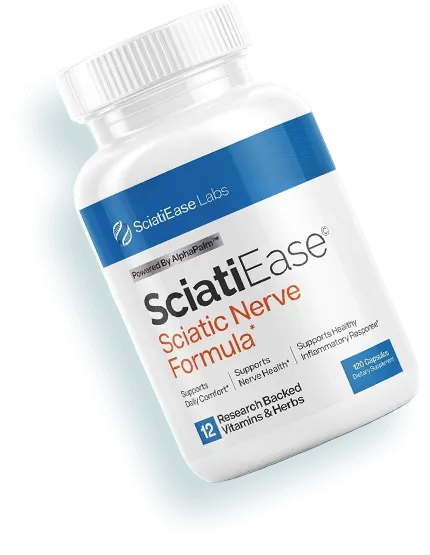
While turmeric curcumin is an excellent natural anti-inflammatory, true relief from sciatica and lower back pain often requires a more comprehensive approach. Sciatiease is formulated to address multiple facets of sciatic nerve discomfort, combining the power of highly bioavailable curcumin with other synergistic ingredients known for their nerve-supporting, anti-inflammatory, and pain-relieving properties.
Sciatiease is designed not just to mask pain, but to support the underlying health of your nervous system and reduce the inflammation that often exacerbates sciatica. It works by:
- Targeting Inflammation: With a potent, highly absorbable form of curcumin, Sciatiease directly combats the inflammatory processes irritating the sciatic nerve, reducing swelling and pressure.
- Nourishing Nerve Health: Key ingredients are included to support nerve regeneration, protect nerve cells from damage, and improve nerve signal transmission.
- Promoting Muscle Relaxation: Muscle spasms and tightness in the lower back and glutes can contribute to sciatica. Sciatiease includes ingredients that help relax these muscles, easing tension and discomfort.
- Enhancing Circulation: Improved blood flow to the affected area can aid in nutrient delivery and waste removal, facilitating the healing process.
- Providing Antioxidant Support: Ingredients work together to neutralize damaging free radicals, protecting cellular health and reducing oxidative stress, which is often heightened during inflammatory states.
Unlike single-ingredient supplements, Sciatiease provides a blend of nature's best remedies, each chosen for its proven efficacy in addressing the complex symptoms of sciatica and lower back pain. It’s a solution crafted to offer holistic support, working with your body to restore comfort and mobility.
Key Ingredients in Sciatiease Supporting Nerve Health and Inflammation
Sciatiease leverages a meticulously selected blend of natural compounds, each playing a crucial role in alleviating sciatica symptoms and supporting overall nerve health. Here are some of the active ingredients that work synergistically to provide comprehensive relief:
Turmeric Curcumin (with Bioavailability Enhancer)
Role: Potent anti-inflammatory and antioxidant. It inhibits key inflammatory pathways (NF-κB, COX-2) and reduces pain mediators, directly addressing the root cause of sciatica inflammation. Enhanced bioavailability ensures maximum absorption and efficacy.
Alpha-Lipoic Acid (ALA)
Role: A powerful antioxidant that is both water and fat-soluble, allowing it to protect cells throughout the body, including nerve tissues. ALA improves nerve function and can reduce neuropathic pain, often associated with sciatica.
Methylsulfonylmethane (MSM)
Role: An organic sulfur compound known for its anti-inflammatory and analgesic properties. MSM helps reduce pain and swelling, supports healthy connective tissues, and may aid in muscle recovery, crucial for lower back support.
Boswellia Serrata Extract
Role: Derived from frankincense, Boswellia is a powerful anti-inflammatory that works by inhibiting leukotriene synthesis. It helps reduce swelling and pain in joints and tissues, complementing curcumin's action against inflammation around the sciatic nerve.
Acetyl-L-Carnitine (ALC)
Role: An amino acid that plays a vital role in energy production within cells, including nerve cells. ALC supports nerve regeneration, reduces neuropathic pain, and has neuroprotective effects, helping to repair and maintain healthy nerve function.
B Vitamins (B1, B6, B12)
Role: Essential for nerve health and function. B vitamins support nerve signal transmission, aid in the repair of nerve damage, and reduce neuropathic pain. Deficiencies in these vitamins can exacerbate nerve-related symptoms. For a deeper dive into the role of vitamins in pain management, explore our article Vitamins for Lower Back Pain.
Magnesium
Role: A crucial mineral involved in over 300 biochemical reactions, including muscle and nerve function. Magnesium helps relax muscles, reduce muscle spasms that can contribute to sciatica, and alleviate nerve pain. It also supports overall cellular energy and bone health.
This carefully chosen blend ensures that Sciatiease addresses sciatica and lower back pain from multiple angles, offering robust support for inflammation reduction, nerve repair, and overall comfort. For a comprehensive comparison of how Sciatiease stands against other options, read our detailed analysis: Sciatiease vs. Other Sciatica Supplements.
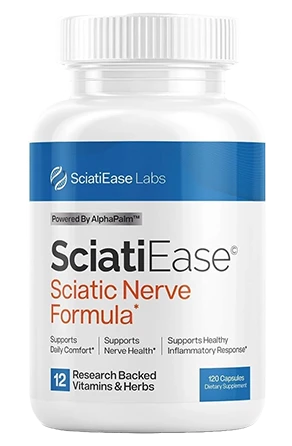
Experience the Difference with Sciatiease: Your Path to Natural Sciatica Relief
Don't let sciatica and lower back pain dictate your life. Sciatiease offers a powerful, natural solution, combining the proven anti-inflammatory benefits of turmeric curcumin with a blend of other clinically-backed ingredients. Take the first step towards lasting comfort and reclaiming your mobility.
- ✓ Advanced Curcumin for Maximum Absorption
- ✓ Comprehensive Blend for Nerve & Muscle Support
- ✓ 100% Natural, Non-GMO, and Safe Ingredients
- ✓ Manufactured in a GMP Certified Facility in the USA
- ✓ Backed by a 60-Day 100% Money-Back Guarantee



What Our Customers Are Saying
"I've struggled with sciatica for years, trying everything. Sciatiease, especially with its curcumin, has been a game-changer. The burning pain has significantly reduced, and I feel more mobile than I have in a long time. Highly recommend!"
"As someone who prefers natural remedies, I was excited to try Sciatiease. The curcumin content was a huge draw. After about a month, the constant ache in my lower back and leg started to fade. It's a noticeable improvement without harsh side effects."
"My doctor suggested trying a high-quality turmeric supplement for my sciatica inflammation. I chose Sciatiease because of its comprehensive formula. I'm so glad I did! My mornings are less stiff, and the sharp pains are much rarer. This product truly helps manage my symptoms."
Frequently Asked Questions
How does turmeric curcumin help with sciatica?
+Turmeric's active compound, curcumin, is a powerful anti-inflammatory agent. Sciatica pain is often exacerbated by inflammation around the sciatic nerve. Curcumin works by inhibiting various inflammatory pathways and molecules, such as NF-kB, COX-2, and TNF-alpha, which reduces swelling and pressure on the nerve, thereby alleviating pain and improving nerve function.
What is the recommended dosage of curcumin for sciatica?
+While there's no universally standardized dose specifically for sciatica, studies on inflammatory conditions often use 500-1500 mg of curcumin extract daily, typically standardized to 95% curcuminoids. It's crucial to choose a supplement with enhanced bioavailability, often combined with piperine (black pepper extract), to ensure effective absorption. Always consult a healthcare professional for personalized dosage advice.
Are there any side effects of taking turmeric curcumin for sciatica?
+Turmeric curcumin is generally well-tolerated. However, some individuals might experience mild side effects like digestive upset, nausea, or diarrhea, especially at high doses. It can also interact with certain medications, such as blood thinners or diabetes drugs. Pregnant or nursing women and individuals with gallstones should exercise caution and consult a doctor before use.
How long does it take for turmeric curcumin to work for sciatica?
+The onset of effects can vary widely among individuals. Some may experience noticeable improvements within a few weeks, while for others, it might take a couple of months of consistent use to observe significant relief from sciatica symptoms. Lifestyle factors, the severity of sciatica, and the supplement's bioavailability can all influence the timeline.
Can turmeric curcumin replace conventional sciatica treatments?
+Turmeric curcumin should be considered a complementary therapy, not a replacement for conventional medical treatments for sciatica. It can be a valuable addition to a comprehensive management plan that may include physical therapy, medication, and other interventions recommended by your doctor. Always discuss any new supplements with your healthcare provider.
Why is Sciatiease a good option for sciatica relief?
+Sciatiease offers a synergistic blend of natural ingredients, including a highly bioavailable form of turmeric curcumin, designed to target multiple aspects of sciatica and lower back pain. Beyond inflammation, it supports nerve health, muscle relaxation, and overall pain management, providing a comprehensive approach to relief. Its formulation is backed by research and manufactured under strict quality standards.
Related Articles