Are you tired of persistent lower back pain or the debilitating discomfort of sciatica?
Millions worldwide suffer from chronic lower back pain and sciatica, conditions that can severely impact daily life, mobility, and overall well-being. While conventional treatments often focus on pain management and physical therapy, a growing body of research highlights the crucial role of nutrition in supporting nerve health and reducing inflammation.
Understanding which vitamins and minerals can aid in alleviating these symptoms is a powerful step towards a more holistic approach to relief. Discover how targeted nutritional support can be a game-changer in your journey to comfort and mobility.
Understanding Lower Back Pain and Sciatica
Before diving into nutritional solutions, it's essential to grasp the nature of these common conditions.
Lower back pain is a widespread issue, ranging from a dull, constant ache to a sudden, sharp sensation. It can result from various factors, including muscle strains, ligament sprains, disc problems, poor posture, arthritis, or injuries. Often, it's a complex interplay of mechanical, inflammatory, and neurological components. Chronic lower back pain, lasting more than three months, can significantly diminish quality of life, affecting sleep, work, and personal relationships.
Sciatica, on the other hand, is a specific type of nerve pain that radiates along the path of the sciatic nerve, which branches from your lower back through your hips and buttocks and down each leg. It typically affects only one side of your body. Common causes include a herniated disc, bone spurs on the spine, or narrowing of the spine (spinal stenosis) that compresses part of the nerve. Symptoms can include moderate to severe pain, numbness, tingling, or weakness in the leg or foot. The intensity and duration of sciatica can vary greatly, from mild irritation to debilitating agony, making effective management crucial.
While physical therapy, medication, and sometimes surgery are primary treatments, supporting your body with the right nutrients can play a vital role in reducing inflammation, promoting nerve repair, and strengthening the structures that support your spine. This holistic approach recognizes that optimal bodily function, including nerve health, is deeply intertwined with nutritional status.
💡 Key Takeaway
Lower back pain and sciatica are distinct but often related conditions affecting millions. While mechanical issues are primary causes, nutritional deficiencies can exacerbate symptoms and hinder recovery by impacting nerve health and inflammation. A comprehensive approach includes addressing nutritional needs.
The Crucial Role of Nutrition in Nerve Health and Pain Management
Our bodies are complex machines, and like any machine, they require the right fuel and maintenance. For nerve health and pain management, specific vitamins and minerals act as essential cofactors, antioxidants, and structural components.
Reducing Inflammation
Many nutrients possess potent anti-inflammatory properties. Chronic inflammation is a significant contributor to both lower back pain and sciatica, irritating nerves and tissues. By reducing inflammation, these nutrients can directly alleviate pain and discomfort.
Supporting Nerve Function and Repair
Nerves require specific vitamins to function optimally, transmit signals effectively, and even repair themselves after damage. Deficiencies can impair these processes, leading to increased pain, numbness, or weakness. Adequate nutrient intake ensures nerves have the building blocks they need.
Strengthening Bones and Connective Tissues
The spine and its supporting structures rely on a robust framework of bones, ligaments, and tendons. Vitamins and minerals like Vitamin D, C, and magnesium are vital for bone density, collagen formation, and overall structural integrity, which can prevent or reduce mechanical stress on the back.
Muscle Relaxation and Spasm Reduction
Muscle spasms and tension are common companions to back pain and sciatica. Certain minerals, particularly magnesium, play a key role in muscle relaxation and contraction, helping to ease tight muscles that can aggravate nerve compression and discomfort.
Antioxidant Protection
Oxidative stress can damage nerve cells and contribute to inflammation. Antioxidant vitamins help neutralize harmful free radicals, protecting cells from damage and supporting the body's natural healing processes. This protection is vital for long-term nerve health.
Key Vitamins and Minerals for Sciatica and Lower Back Pain
Let's delve into the specific micronutrients that have shown promise in supporting individuals dealing with lower back pain and sciatica.
B Vitamins (B1, B6, B12)
The B-complex vitamins are paramount for nerve health. Vitamin B1 (Thiamine) is essential for nerve signal transmission. Vitamin B6 (Pyridoxine) plays a crucial role in neurotransmitter synthesis and reducing inflammation. Vitamin B12 (Cobalamin) is vital for the formation of the myelin sheath, the protective layer around nerves, and nerve regeneration. Deficiencies in these vitamins, particularly B12, can lead to nerve damage and exacerbate neuropathic pain, including sciatica. Supplementation can significantly improve nerve function and reduce pain in deficient individuals. You can learn more about how these and other natural remedies can help with nerve pain by visiting our article on natural remedies for lower back nerve pain.
Vitamin D
Often called the "sunshine vitamin," Vitamin D is more accurately a hormone. It plays a critical role in calcium absorption, bone health, muscle function, and immune regulation. Low levels of Vitamin D have been strongly linked to chronic lower back pain and increased pain sensitivity. Adequate Vitamin D helps maintain bone density, preventing conditions like osteoporosis that can contribute to spinal issues. Its anti-inflammatory properties also make it beneficial for reducing nerve irritation. Many individuals are deficient, making supplementation a common and effective strategy.
Vitamin C
Vitamin C (Ascorbic Acid) is a powerful antioxidant and crucial for collagen synthesis. Collagen is a primary structural protein found in connective tissues, including those supporting the spine, such as ligaments, tendons, and intervertebral discs. Adequate Vitamin C intake supports the integrity of these structures, aiding in repair and reducing the risk of injury. Furthermore, its anti-inflammatory effects can help mitigate pain and swelling associated with sciatica and general back discomfort. It also supports the immune system, which is important for overall recovery.
Vitamin E
Another potent antioxidant, Vitamin E protects cells, including nerve cells, from oxidative damage caused by free radicals. Oxidative stress can contribute to inflammation and nerve degeneration, worsening pain conditions. By reducing this stress, Vitamin E can help preserve nerve health and reduce inflammatory responses. While direct studies on sciatica are limited, its general benefits for cellular protection and anti-inflammatory action suggest a supportive role in managing chronic pain conditions.
Magnesium
Magnesium is a vital mineral involved in over 300 biochemical reactions in the body, including muscle and nerve function, blood glucose control, and blood pressure regulation. For back pain and sciatica, magnesium is particularly beneficial due to its role in muscle relaxation. It can help alleviate muscle spasms and tension that often accompany lower back issues and nerve compression. It also supports nerve signal transmission and has anti-inflammatory properties. Many people are magnesium deficient, and supplementation can significantly improve muscle cramps and nerve pain.
Zinc
Zinc is an essential trace mineral involved in immune function, wound healing, and DNA synthesis. While not directly known as a "nerve vitamin," zinc plays a crucial role in tissue repair and has anti-inflammatory properties. It supports the body's healing processes, which are vital when dealing with tissue damage or irritation in the back and around the sciatic nerve. Maintaining adequate zinc levels ensures the body can effectively repair and recover from the stress of chronic pain.
Beyond Vitamins: Other Beneficial Nutrients and Compounds
While vitamins are foundational, several other natural compounds offer significant support for lower back pain and sciatica.
Alpha-Lipoic Acid (ALA)
ALA is a powerful antioxidant that is both fat and water-soluble, allowing it to work throughout the body's cells. It's well-known for its neuroprotective properties and its ability to improve nerve function and reduce neuropathic pain, particularly in conditions like diabetic neuropathy. For sciatica, ALA can help by reducing oxidative stress on nerve cells, improving blood flow to nerves, and potentially aiding in nerve repair. It's a key player in cellular energy production, which is vital for healing.
Turmeric (Curcumin)
The active compound in turmeric, curcumin, is a potent anti-inflammatory and antioxidant agent. It works by inhibiting various inflammatory pathways in the body, making it highly effective for reducing pain and swelling associated with conditions like arthritis, general lower back pain, and nerve irritation. Many studies support curcumin's role in chronic pain management, often comparing its efficacy to NSAIDs without the gastrointestinal side effects. Bioavailability is key, so look for formulations with piperine (black pepper extract).
Boswellia Serrata
Derived from the frankincense tree, Boswellia serrata has been used for centuries in traditional medicine for its anti-inflammatory properties. Its active compounds, boswellic acids, specifically target inflammatory enzymes, helping to reduce pain and improve mobility. It's often used in conjunction with other anti-inflammatory herbs and can be particularly beneficial for inflammatory conditions affecting the joints and spine, offering a natural alternative for pain relief in lower back pain and sciatica sufferers.
MSM (Methylsulfonylmethane)
MSM is an organic sulfur compound naturally found in some foods and the human body. It's widely recognized for its benefits in reducing joint pain, inflammation, and muscle damage. Sulfur is a crucial component of connective tissues and cartilage. MSM helps maintain the elasticity and flexibility of these tissues, which are vital for spinal health. It can also reduce muscle spasms and promote faster recovery from exercise-induced muscle soreness, contributing to overall back comfort. Its pain-relieving effects are thought to be due to its anti-inflammatory and antioxidant actions.
Dietary Sources: Fueling Your Body Naturally
While supplements can be highly effective, the first line of defense should always be a nutrient-rich diet.
Incorporating a variety of whole foods into your diet can naturally boost your intake of these essential vitamins and minerals. Here are some excellent sources:
- B Vitamins: Whole grains, lean meats (beef, chicken, fish), eggs, dairy products, legumes, leafy green vegetables, nuts, and seeds.
- Vitamin D: Fatty fish (salmon, mackerel, tuna), fortified dairy products, orange juice, cereals, and exposure to sunlight.
- Vitamin C: Citrus fruits, bell peppers, strawberries, broccoli, kale, and other brightly colored fruits and vegetables.
- Vitamin E: Nuts (almonds, peanuts), seeds (sunflower seeds), vegetable oils (wheat germ, sunflower, safflower), and green leafy vegetables.
- Magnesium: Dark leafy greens (spinach, kale), nuts (almonds, cashews), seeds (pumpkin, chia), legumes (black beans), whole grains, and dark chocolate.
- Zinc: Red meat, poultry, beans, nuts, certain seafood (oysters), whole grains, and dairy products.
- Turmeric: Used as a spice in cooking, particularly in curries. Adding black pepper enhances absorption.
A balanced diet rich in fruits, vegetables, lean proteins, and healthy fats provides a synergistic effect, where nutrients work together to support overall health and reduce inflammation. However, achieving optimal levels of certain nutrients solely through diet can be challenging, especially for those with existing deficiencies or increased needs due to chronic conditions.
💡 Key Takeaway
A diverse diet rich in whole foods is the foundation for obtaining essential vitamins and minerals. However, dietary intake alone may not always be sufficient to meet the increased demands of managing chronic conditions like lower back pain and sciatica, making supplementation a valuable consideration.
When Diet Isn't Enough: The Role of Supplementation
Even with the best intentions and a healthy diet, several factors can make it difficult to get sufficient nutrients from food alone.
Modern farming practices can deplete soil nutrients, leading to lower vitamin and mineral content in produce. Additionally, individual factors such as age, stress levels, certain medical conditions, and medications can affect nutrient absorption and increase requirements. For instance, older adults often have reduced stomach acid, impairing B12 absorption, and many medications can deplete essential nutrients.
This is where targeted supplementation can play a crucial role. For individuals experiencing chronic lower back pain or sciatica, a high-quality supplement designed to address nerve health and inflammation can provide the concentrated support needed to bridge dietary gaps and actively contribute to symptom relief. When considering a supplement, look for formulations that include the key vitamins and nutrients discussed, in bioavailable forms, and from reputable manufacturers. To understand more about selecting effective supplements, you can read our guide on lower back nerve pain supplements.
Experience Targeted Relief with Sciatiease
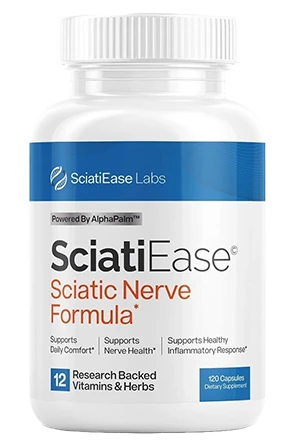
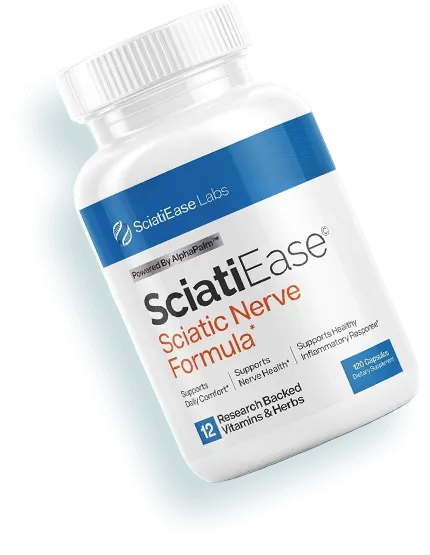
If you're seeking a comprehensive solution to support your body in its fight against lower back pain and sciatica, Sciatiease offers a meticulously crafted formula designed to provide powerful, natural relief.
- ✓ Advanced Nerve Support: A blend of B vitamins, Alpha-Lipoic Acid, and other neuro-nutrients to protect and repair nerve function.
- ✓ Potent Anti-Inflammatory Action: Featuring Turmeric, Boswellia, and MSM to significantly reduce inflammation and associated pain.
- ✓ Muscle & Bone Health: Essential minerals like Magnesium and Zinc to relax muscles, prevent spasms, and support structural integrity.
- ✓ Natural & Safe: Made with all-natural ingredients, free from harsh chemicals or artificial additives.
- ✓ Doctor-Formulated: Developed by experts to ensure optimal potency and efficacy for targeted relief.



Lifestyle Adjustments for Enhanced Relief
While nutrition and supplementation are powerful tools, they work best when combined with healthy lifestyle practices.
Managing lower back pain and sciatica effectively often requires a multi-faceted approach. Alongside dietary considerations and appropriate supplementation, integrating specific lifestyle changes can significantly enhance relief and prevent recurrence:
- Regular, Gentle Exercise: Engaging in low-impact activities like walking, swimming, or cycling can strengthen core muscles, improve flexibility, and increase blood flow, which aids in healing. Specific stretches and exercises recommended by a physical therapist are crucial for sciatica.
- Maintain Good Posture: Poor posture, especially when sitting for long periods, puts undue stress on the spine. Be mindful of how you sit, stand, and lift. Use ergonomic chairs and standing desks if possible.
- Healthy Weight Management: Excess body weight, particularly around the abdomen, can increase pressure on the lower back and sciatic nerve. Achieving and maintaining a healthy weight reduces this strain.
- Stress Reduction: Stress can exacerbate pain by increasing muscle tension and inflammation. Practices like meditation, deep breathing exercises, yoga, or spending time in nature can help manage stress levels.
- Adequate Sleep: Quality sleep is essential for the body's repair processes. Ensure your mattress provides proper support and try sleeping in positions that reduce pressure on your back.
- Heat and Cold Therapy: Applying heat (warm baths, heating pads) can relax tense muscles, while cold packs can reduce inflammation and numb sharp pain.
Combining these lifestyle adjustments with targeted nutritional support creates a powerful synergy, optimizing your body's ability to heal and manage pain. Remember that consistency is key for long-term benefits.
When to Seek Medical Attention
While natural remedies and supplements can offer significant support, it's crucial to recognize when professional medical advice is necessary.
Lower back pain and sciatica can sometimes indicate more serious underlying conditions. You should consult a doctor immediately if you experience:
- Sudden, severe pain in your lower back or leg.
- Muscle weakness or numbness in your leg or foot.
- Loss of bowel or bladder control (Cauda Equina Syndrome, a medical emergency).
- Pain that worsens at night or when lying down.
- Pain following a traumatic injury, such as a fall or car accident.
- Unexplained weight loss accompanied by back pain.
- Fever, chills, or other signs of infection with back pain.
A healthcare professional can accurately diagnose the cause of your pain, rule out serious conditions, and recommend the most appropriate course of treatment, which may include physical therapy, medication, injections, or in rare cases, surgery. Nutritional support and lifestyle changes are complementary therapies that should be discussed with your doctor, especially if you are taking other medications or have pre-existing health conditions. For more insights from real users, you can check out Sciatiease reviews and real results.
Conclusion: A Holistic Path to Relief
Managing lower back pain and sciatica is a journey that often requires a multi-pronged approach, moving beyond just masking symptoms.
The evidence is clear: specific vitamins and minerals play a vital, often overlooked, role in supporting nerve health, reducing inflammation, and aiding in the body's natural repair processes. From the crucial B vitamins that nourish your nerves, to Vitamin D for bone and muscle integrity, and Magnesium for muscle relaxation, these micronutrients are foundational to your well-being.
By prioritizing a nutrient-rich diet, considering targeted supplementation like Sciatiease, and adopting supportive lifestyle practices, you can empower your body to better manage and potentially alleviate the discomfort of lower back pain and sciatica. Remember, this is about nurturing your body from within, providing it with the tools it needs to heal and thrive. Always consult with a healthcare professional to tailor a plan that is right for you, ensuring that your path to relief is both safe and effective.
What Our Customers Are Saying
"Sciatiease has been a lifesaver! I've tried so many things for my chronic sciatica, and nothing helped like this. The tingling and sharp pains are significantly reduced. I feel more mobile and less reliant on pain meds. Highly recommend!"
"My lower back pain made every day a struggle. After a few weeks of Sciatiease, I noticed a considerable difference. My muscles feel less tense, and the constant ache is much milder. It's truly helped me get back to my gardening."
"I was skeptical at first, but the reviews convinced me. Sciatiease delivered! My nerve pain down my leg is almost gone, and I can finally sleep through the night. The natural ingredients were a big plus for me. Thank you!"
Frequently Asked Questions
What is sciatica and how do vitamins help?
+Sciatica is nerve pain radiating from the lower back down the leg, often caused by compression or irritation of the sciatic nerve. While vitamins don't cure sciatica, certain nutrients can support nerve health, reduce inflammation, and alleviate muscle tension, thereby helping to manage symptoms and promote recovery. They work by supporting cellular function, neurotransmitter activity, and the body's natural healing processes.
Which B vitamins are most important for nerve pain?
+The B vitamins, particularly B1 (Thiamine), B6 (Pyridoxine), and B12 (Cobalamin), are crucial for nerve health. B1 helps with nerve signal transmission, B6 is involved in neurotransmitter synthesis, and B12 is essential for myelin sheath formation, which protects nerves. Deficiencies in these vitamins can exacerbate nerve pain, making supplementation beneficial for some individuals with sciatica and lower back pain.
Can Vitamin D deficiency worsen back pain?
+Yes, Vitamin D deficiency has been linked to chronic lower back pain and increased sensitivity to pain. Vitamin D plays a vital role in bone health, muscle function, and immune system regulation. Adequate levels help maintain bone density, prevent conditions like osteoporosis that can contribute to back pain, and may reduce inflammation. Many people are deficient, making supplementation a common recommendation.
Are there any side effects from taking too many vitamins for back pain?
+While many vitamins are water-soluble and excess is excreted, some, especially fat-soluble vitamins (A, D, E, K) and certain B vitamins like B6, can cause side effects if taken in excessively high doses. For instance, too much B6 can lead to nerve damage. Always consult a healthcare professional before starting any new supplement regimen to ensure appropriate dosages and avoid potential adverse effects or interactions with medications.
How long does it take for vitamins to relieve sciatica symptoms?
+The timeframe for experiencing relief from vitamins can vary greatly depending on the individual, the severity of the deficiency, and the specific vitamin or supplement. Some individuals may notice subtle improvements in a few weeks, while for others, it might take several months to see significant changes, especially for nerve regeneration. Consistency is key, and it's important to combine supplementation with other recommended treatments and lifestyle changes.
Can Sciatiease help with my vitamin deficiencies related to back pain?
+Sciatiease is formulated with a blend of key vitamins, minerals, and herbal extracts known for their roles in nerve support, inflammation reduction, and pain management, including several B vitamins, magnesium, and other beneficial compounds. While it's not a direct cure for deficiencies, its comprehensive formula aims to provide targeted nutritional support that can complement a healthy diet and potentially address some underlying nutritional needs relevant to lower back pain and sciatica. Always discuss with your doctor if you suspect a specific vitamin deficiency.
Related Articles