Are you tired of debilitating lower back nerve pain disrupting your life?
Lower back nerve pain, often manifesting as sciatica, can be an excruciating and persistent challenge, affecting millions globally. This discomfort isn't just a physical burden; it can severely limit mobility, impact daily activities, and diminish overall quality of life. From a dull ache to sharp, shooting sensations down the leg, the experience of nerve pain can be isolating and frustrating, leading many to seek effective, long-term solutions.
While conventional medical treatments offer various interventions, a growing number of individuals are exploring the profound benefits of natural remedies. These approaches focus on addressing the root causes of pain, promoting the body's natural healing processes, and fostering sustainable relief. This guide delves into a comprehensive array of natural strategies, offering hope and practical steps towards a holistic, drug-free approach to managing and overcoming lower back nerve pain.
Understanding Lower Back Nerve Pain and Sciatica
Before exploring natural remedies, it's essential to understand what lower back nerve pain, particularly sciatica, entails. This knowledge empowers you to choose the most appropriate and effective treatments.
Lower back pain is a common ailment, but when it involves nerve compression, the symptoms can become far more severe and debilitating. The term sciatica specifically refers to pain that radiates along the path of the sciatic nerve, the longest and widest nerve in the human body. This nerve branches from your lower back through your hips and buttocks and down each leg. Typically, sciatica affects only one side of your body, causing discomfort ranging from a mild ache to a sharp, burning sensation or excruciating pain.
The primary cause of sciatica is usually a herniated disk, a bone spur on the spine, or spinal stenosis (narrowing of the spine) that compresses part of the sciatic nerve. Other less common causes include tumors, injury, or conditions like piriformis syndrome, where the piriformis muscle in the buttock spasms and irritates the nerve. The compression leads to inflammation, pain, and often some numbness, tingling, or muscle weakness in the affected leg or foot. Understanding these underlying causes is the first step toward finding effective relief.
💡 Key Takeaway
Sciatica is nerve pain radiating from the lower back down the leg, primarily caused by compression of the sciatic nerve due to issues like herniated discs or bone spurs, leading to inflammation and discomfort.
The Promise of Natural Remedies for Nerve Pain
Why are so many individuals turning to natural remedies for chronic lower back and sciatic nerve pain? The answer lies in their holistic approach and potential for long-term relief with fewer side effects.
Natural remedies offer an alternative or complementary path to managing persistent nerve pain. Unlike some conventional treatments that might focus solely on symptom suppression, natural approaches often aim to address the root causes of inflammation, nerve irritation, and muscle imbalance. This can lead to more sustainable relief and an overall improvement in spinal health. Embracing natural methods means adopting a lifestyle that supports your body's innate healing capabilities.
These remedies encompass a broad spectrum of interventions, from targeted exercises and dietary adjustments to herbal supplements and mind-body practices. The beauty of natural healing is its emphasis on individualized care and the potential to integrate multiple strategies for synergistic effects. For many, this path offers a renewed sense of control over their health and a hopeful outlook for a life free from chronic pain. It's about empowering your body to heal itself, naturally and effectively.
Lifestyle Modifications for Lasting Nerve Pain Relief
Simple yet profound changes in your daily habits can significantly impact the severity and frequency of lower back nerve pain. These modifications are often the cornerstone of natural pain management.
Improve Posture and Ergonomics
Poor posture is a major culprit in lower back pain. Maintaining a neutral spine position, whether sitting, standing, or lifting, can greatly reduce stress on your sciatic nerve and surrounding structures. Ensure your workspace is ergonomically designed, with your computer screen at eye level, feet flat on the floor, and back supported. Regular breaks to stand and stretch are also crucial.
Maintain a Healthy Weight
Excess body weight, particularly around the abdomen, places additional strain on your lower back and spine. This increased pressure can exacerbate nerve compression and inflammation. Losing even a small amount of weight can significantly alleviate symptoms and prevent future flare-ups. Focus on a balanced diet and consistent exercise to achieve and maintain a healthy weight.
Prioritize Quality Sleep
Sleep plays a vital role in the body's healing and recovery processes. A lack of quality sleep can heighten pain sensitivity and prolong recovery from nerve damage. Invest in a supportive mattress and pillows that maintain proper spinal alignment. Experiment with different sleep positions, such as sleeping on your side with a pillow between your knees, to reduce pressure on your lower back.
Manage Stress Effectively
Stress and pain share a complex relationship. Chronic stress can increase muscle tension, leading to spasms and exacerbating nerve pain. It also influences how your brain perceives pain, making sensations feel more intense. Incorporate stress-reduction techniques like deep breathing, meditation, or spending time in nature to calm your nervous system and reduce overall pain perception.
Targeted Exercises and Stretches for Sciatica Relief
Specific movements can alleviate pressure on the sciatic nerve, strengthen supporting muscles, and improve flexibility, offering significant relief from pain.
While rest is important during acute flare-ups, prolonged inactivity can worsen lower back nerve pain. Gentle, targeted exercises and stretches are crucial for recovery and prevention. They help to decompress the spine, strengthen the core and gluteal muscles, and improve the flexibility of the hamstrings and hips – all areas that can contribute to sciatic nerve irritation. Always consult with a physical therapist or healthcare professional before starting any new exercise regimen to ensure the movements are appropriate for your specific condition.
Key exercises often include **pelvic tilts**, which help strengthen the abdominal muscles and improve lower back stability. **Knee-to-chest stretches** can gently decompress the lumbar spine and stretch the gluteal muscles. The **piriformis stretch**, performed by crossing one ankle over the opposite knee while lying down, is particularly beneficial for relieving pressure on the sciatic nerve if piriformis syndrome is a contributing factor. Additionally, **cat-cow stretches** from yoga can improve spinal mobility and reduce stiffness. Consistency is key, performing these exercises regularly to build strength and maintain flexibility.
Beyond specific stretches, low-impact aerobic activities like walking, swimming, or cycling can improve circulation, reduce inflammation, and release endorphins, the body's natural painkillers. These activities also help maintain a healthy weight, further reducing stress on the spine. Remember to listen to your body and stop if any exercise increases your pain. Gradual progression is always recommended to avoid aggravating your condition.
💡 Key Takeaway
Targeted exercises and stretches like pelvic tilts, knee-to-chest, and piriformis stretches, along with low-impact aerobics, are vital for strengthening muscles, improving flexibility, and decompressing the sciatic nerve to alleviate pain.
Heat and Cold Therapy: Simple Yet Effective
The application of heat and cold can provide immediate, drug-free relief for lower back nerve pain and inflammation.
Alternating between heat and cold therapy is a time-tested natural remedy for various types of pain, including sciatica. Cold therapy, such as an ice pack wrapped in a towel, is most effective during the initial stages of a flare-up or after strenuous activity. It works by constricting blood vessels, which helps to reduce inflammation, swelling, and numb the painful area. Apply cold packs for 15-20 minutes at a time, several times a day.
Once the initial inflammation has subsided (typically after 48-72 hours), heat therapy can be introduced. A warm compress, heating pad, or a hot bath can relax tense muscles, increase blood flow to the affected area, and promote healing. Heat also helps to alleviate stiffness and improve flexibility. Use heat for 15-20 minutes, ensuring it's not too hot to avoid burns. Some individuals find that alternating heat and cold provides the most comprehensive relief, using cold for inflammation and heat for muscle relaxation.
Mind-Body Techniques and Complementary Therapies
Beyond physical treatments, integrating mind-body practices and complementary therapies can significantly enhance pain management by addressing the psychological and energetic aspects of chronic pain.
Yoga and Pilates
These practices combine physical postures, breathing techniques, and meditation to improve strength, flexibility, and body awareness. Gentle yoga poses specifically designed for back pain can decompress the spine, stretch tight muscles, and reduce nerve compression. Pilates focuses on strengthening the core, which is essential for spinal stability and reducing strain on the lower back.
Acupuncture
An ancient Chinese medicine technique, acupuncture involves inserting thin needles into specific points on the body. It is believed to stimulate the central nervous system, releasing natural painkillers (endorphins) and altering pain perception. Many studies suggest acupuncture can be effective in reducing chronic lower back pain and sciatica symptoms, offering a drug-free pain relief option.
Massage Therapy
Therapeutic massage can provide immense relief by relaxing tense muscles, improving circulation, and reducing inflammation around the sciatic nerve. Deep tissue massage, trigger point therapy, or even gentle Swedish massage can help release muscle spasms, break up scar tissue, and improve overall mobility in the lower back, hips, and glutes.
Mindfulness and Meditation
Chronic pain can be mentally exhausting. Mindfulness meditation helps individuals become more aware of their body and thoughts without judgment, effectively reducing pain perception and emotional distress. Practicing mindfulness can rewire the brain's response to pain, making it less overwhelming and improving coping mechanisms.
Dietary Approaches and Anti-Inflammatory Foods
Your diet plays a fundamental role in managing inflammation, a key driver of nerve pain. Adopting an anti-inflammatory eating plan can significantly reduce discomfort.
Chronic inflammation is often an underlying factor in persistent nerve pain. By choosing foods that fight inflammation and avoiding those that promote it, you can create an internal environment conducive to healing. An anti-inflammatory diet emphasizes whole, unprocessed foods rich in antioxidants, vitamins, and minerals.
Focus on incorporating plenty of fruits and vegetables, especially colorful varieties like berries, leafy greens, and bell peppers, which are packed with antioxidants. **Omega-3 fatty acids**, found in fatty fish (salmon, mackerel), flaxseeds, and walnuts, are powerful anti-inflammatory agents. Lean proteins, such as chicken, turkey, and legumes, support muscle repair without promoting inflammation. Spices like turmeric and ginger are renowned for their potent anti-inflammatory properties and can be easily added to meals or consumed as teas.
Conversely, it's crucial to limit or eliminate pro-inflammatory foods. These include refined carbohydrates (white bread, pasta), sugary drinks and snacks, trans fats (found in processed foods), and excessive amounts of red and processed meats. Reducing alcohol intake can also help, as alcohol can contribute to systemic inflammation. A consistent anti-inflammatory diet is not a quick fix but a long-term strategy that supports overall health and significantly reduces nerve pain over time.
💡 Key Takeaway
An anti-inflammatory diet rich in fruits, vegetables, omega-3s, and lean proteins, while avoiding processed foods and sugar, is crucial for reducing chronic inflammation and alleviating nerve pain.
Herbal and Nutritional Supplements for Nerve Health
For many, targeted nutritional support through supplements can provide crucial ingredients that support nerve health, reduce inflammation, and alleviate pain, especially when dietary intake alone isn't sufficient.
Turmeric (Curcumin)
A potent anti-inflammatory and antioxidant, curcumin, the active compound in turmeric, has been extensively studied for its ability to reduce pain and inflammation associated with various conditions, including nerve pain. It works by inhibiting inflammatory pathways in the body.
Alpha-Lipoic Acid (ALA)
This powerful antioxidant is known for its nerve-protective properties. ALA helps regenerate damaged nerves and improve nerve function, making it particularly beneficial for neuropathic pain. It can also help reduce oxidative stress, which contributes to nerve damage.
B Vitamins (B1, B6, B12)
The B vitamins are essential for nerve health and function. Vitamin B12, in particular, plays a critical role in nerve cell maintenance and repair, while B1 (thiamine) and B6 (pyridoxine) contribute to nerve signal transmission and reduce nerve inflammation. Deficiencies in these vitamins can exacerbate nerve pain.
Magnesium
An essential mineral, magnesium is involved in over 300 biochemical reactions in the body, including muscle and nerve function. It acts as a natural muscle relaxant and can help reduce nerve excitability, making it effective for alleviating muscle spasms and nerve pain. Many individuals are deficient in magnesium.
Boswellia Serrata Extract
Derived from the frankincense tree, Boswellia is another powerful anti-inflammatory herb. Its active compounds, boswellic acids, help reduce inflammation and pain by targeting specific enzymes involved in the inflammatory process, making it beneficial for joint and nerve discomfort.
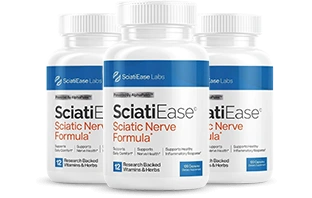
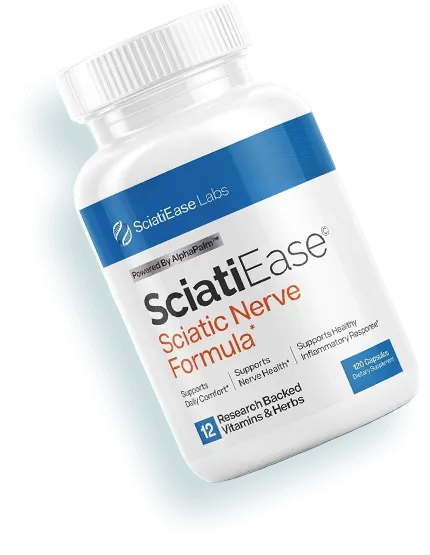
While individual ingredients are beneficial, some natural formulations combine these powerful components to offer a synergistic effect. One such option is Sciatiease, a natural supplement specifically designed to support nerve health and alleviate lower back and sciatic nerve pain. Sciatiease aims to reduce inflammation, improve nerve function, and promote overall comfort through a blend of well-researched ingredients. To learn more about how a targeted supplement can aid your journey to relief, you can explore detailed information on the best supplement for sciatica nerve pain.
Remember, supplements are intended to complement a healthy lifestyle, not replace it. Always consult your healthcare provider before adding any new supplement to your regimen, especially if you have existing health conditions or are taking other medications.
When to Seek Professional Help for Nerve Pain
While natural remedies offer significant benefits, it's crucial to know when to consult a healthcare professional for lower back nerve pain.
Natural remedies are highly effective for many individuals, but certain symptoms warrant immediate medical attention. If you experience sudden, severe pain in your lower back or leg, especially after an injury or accident, seek professional help. Similarly, if your pain is accompanied by muscle weakness, numbness, or tingling that is progressively worsening, or if you lose bladder or bowel control, these are red flags that require urgent medical evaluation. These symptoms could indicate a more serious condition, such as cauda equina syndrome, which needs prompt intervention.
Even if your symptoms are not severe, it's always advisable to consult a doctor or physical therapist if your pain persists for more than a few weeks, despite trying home remedies. They can accurately diagnose the underlying cause of your nerve pain, rule out serious conditions, and recommend a personalized treatment plan that may include a combination of natural therapies, physical therapy, or other medical interventions. A medical professional can also guide you on the safe integration of supplements, such as those discussed on our page about sciatica pain relief supplements, ensuring they align with your overall health needs.
Preventing Recurrence of Lower Back Nerve Pain
Once you've found relief from lower back nerve pain, the next step is to implement strategies to prevent its recurrence and maintain long-term spinal health.
Prevention is key when it comes to chronic conditions like sciatica. Continuing the positive lifestyle changes discussed earlier is paramount. This includes maintaining a regular exercise routine that strengthens your core and back muscles, practicing good posture, and ensuring your workspace is ergonomically sound. Be mindful of your body mechanics when lifting heavy objects, always lifting with your legs and keeping your back straight.
Regular stretching, especially for the hamstrings and piriformis, can prevent muscle tightness that often contributes to nerve compression. Staying hydrated and following an anti-inflammatory diet also supports overall spinal health and reduces the likelihood of flare-ups. Incorporating stress management techniques into your daily routine can further protect your body from the physical manifestations of chronic stress.
For ongoing support, consider integrating supplements like Sciatiease into your routine as a proactive measure. These can help maintain nerve health and reduce inflammation before it becomes problematic. Consistent self-care and adherence to these preventive measures can significantly reduce your risk of future episodes of lower back nerve pain, allowing you to enjoy a more active and pain-free life. For more insights into how others have managed their pain, you can read Sciatiease reviews and real results.
Experience Lasting Relief with Sciatiease
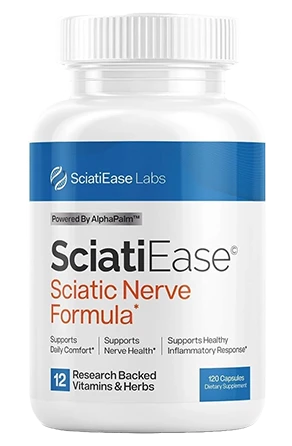
If you're seeking a comprehensive, natural solution to combat lower back and sciatic nerve pain, Sciatiease offers a meticulously formulated blend of ingredients designed to support nerve health, reduce inflammation, and alleviate discomfort. Don't let nerve pain dictate your life any longer.
- ✓ Targeted support for nerve pain and inflammation
- ✓ All-natural ingredients, scientifically researched
- ✓ Manufactured in a GMP-certified facility in the USA
- ✓ Promotes nerve regeneration and reduces discomfort
- ✓ Backed by a 60-Day 100% Money-Back Guarantee




Hear From Our Satisfied Customers
"Sciatiease has been a game-changer for my chronic sciatica. After trying countless remedies, this supplement finally brought me consistent relief. I can now enjoy walks and sleep through the night without that debilitating leg pain. Truly a blessing!"
"I was skeptical at first, but the natural approach of Sciatiease convinced me to try. Within a few weeks, the burning sensation in my lower back and leg significantly reduced. It's helped me regain my mobility and get back to my gardening. Highly recommend!"
"My doctor suggested exploring natural options, and Sciatiease came up. It's made a noticeable difference in my daily comfort. The constant ache in my hip and lower back is much milder, and I feel more energetic. It's been a crucial part of my pain management."
Frequently Asked Questions
What exactly is sciatica, and what causes lower back nerve pain?
+Sciatica refers to pain that radiates along the path of the sciatic nerve, which branches from your lower back through your hips and buttocks and down each leg. It typically affects only one side of your body. It's often caused by a herniated disk, bone spur on the spine, or narrowing of the spine (spinal stenosis) that compresses part of the nerve. This compression leads to inflammation, pain, and often some numbness in the affected leg.
Are natural remedies truly effective for chronic lower back and sciatic nerve pain?
+Yes, many natural remedies can be highly effective for managing and even resolving chronic lower back and sciatic nerve pain, especially when integrated into a holistic treatment plan. Approaches like targeted exercises, stretches, heat/cold therapy, anti-inflammatory diets, and specific herbal supplements work by reducing inflammation, improving circulation, strengthening supporting muscles, and alleviating nerve compression. While results vary, a consistent natural approach often provides significant, long-term relief without the side effects associated with pharmaceutical interventions.
What lifestyle changes can I make to alleviate lower back nerve pain?
+Significant lifestyle changes can profoundly impact lower back nerve pain. Prioritize maintaining good posture, both when sitting and standing, and ensure ergonomic support in your workspace. Regular, gentle exercise tailored to your condition, such as walking, swimming, or yoga, can strengthen core muscles and improve flexibility. Additionally, managing your weight can reduce strain on your spine, and adopting stress-reduction techniques like meditation can lower overall pain perception.
How do diet and specific nutrients play a role in reducing nerve pain?
+Diet plays a crucial role in managing inflammation, a key contributor to nerve pain. An anti-inflammatory diet rich in fruits, vegetables, lean proteins, and healthy fats (like omega-3s) can help reduce systemic inflammation. Specific nutrients, such as B vitamins, magnesium, turmeric, and alpha-lipoic acid, are known for their nerve-supporting and pain-relieving properties. These can help repair nerve damage, improve nerve function, and reduce neuropathic discomfort.
When should I consider a natural supplement like Sciatiease for my lower back nerve pain?
+You might consider a natural supplement like Sciatiease if you're looking for an additional layer of support beyond lifestyle changes and general diet, or if you prefer a comprehensive natural approach. Sciatiease is formulated with specific ingredients known to support nerve health, reduce inflammation, and alleviate pain, offering a synergistic effect. It's an excellent option for those seeking a targeted, natural boost to their pain management regimen, always in consultation with a healthcare professional.
Is Sciatiease safe to use with other medications or existing health conditions?
+Sciatiease is formulated with natural ingredients generally recognized as safe. However, as with any supplement, it is crucial to consult your healthcare provider before starting Sciatiease, especially if you are taking prescription medications, have pre-existing health conditions, or are pregnant or nursing. Your doctor can provide personalized advice based on your specific health profile and ensure there are no potential interactions or contraindications.
Related Articles