Are You Tired of Debilitating Sciatica Pain Controlling Your Life?
Sciatica isn't just a symptom; it's a profound signal from your body that something is pressing on or irritating your sciatic nerve, the longest nerve in your body. This discomfort can range from a mild ache to a sharp, burning sensation or even excruciating pain that makes daily activities unbearable, often radiating from your lower back down through your leg.
Many individuals suffer from sciatica without truly understanding its underlying origins, leading to ineffective treatments and prolonged discomfort. Identifying the exact causes of sciatica pain is the crucial first step toward finding effective and sustainable relief, allowing you to reclaim your mobility and quality of life.
What Exactly Is Sciatica? Demystifying the Pain
Before delving into the causes, it's essential to understand what sciatica truly is. Sciatica refers to the pain that radiates along the path of the sciatic nerve, which branches from your lower back through your hips and buttocks and down each leg. It typically affects only one side of your body. The pain can vary widely, from a mild ache to a sharp, burning sensation or excruciating discomfort. It can also be accompanied by numbness, tingling, or muscle weakness in the affected leg or foot.
The sciatic nerve is the longest and thickest nerve in the human body, formed by the fusion of five nerve roots from the lumbar and sacral regions of the spinal cord (L4, L5, S1, S2, and S3). It runs down the back of each leg, supplying motor and sensory functions to the thigh, calf, and foot. When this nerve becomes compressed, irritated, or inflamed, it results in the characteristic symptoms of sciatica. It's crucial to remember that sciatica itself is a symptom, not a diagnosis. The real challenge, and the key to effective treatment, lies in identifying the underlying condition causing the sciatic nerve impingement.
💡 Key Takeaway
Sciatica is a symptom of sciatic nerve irritation, manifesting as pain, numbness, or tingling from the lower back down the leg. Identifying the underlying cause is paramount for proper diagnosis and effective treatment.
The Primary Culprits: Most Common Causes of Sciatica Pain
While many factors can contribute to sciatica, a few conditions stand out as the most frequent offenders. Understanding these is the first step toward finding relief.
1. Herniated or Bulging Lumbar Disc
This is by far the most common cause of sciatica, accounting for approximately 90% of cases. The discs between your vertebrae act as shock absorbers. Each disc has a tough outer ring (annulus fibrosus) and a soft, gel-like center (nucleus pulposus). A herniated disc occurs when the soft inner material pushes through a tear in the outer ring, often due to age-related degeneration, injury, or improper lifting. This protruding disc material can directly press on one of the sciatic nerve roots as it exits the spinal canal, leading to inflammation and pain. A bulging disc is less severe, where the disc pushes out without tearing, but it can still irritate the nerve.
The severity of pain often depends on the amount of disc material that has herniated and the extent of nerve compression. Activities like coughing, sneezing, or prolonged sitting can exacerbate the pain as they increase pressure on the spinal discs. Understanding the mechanics of a herniated disc is vital for proper diagnosis and choosing the right course of action, which often involves physical therapy, anti-inflammatory medications, or in some cases, surgical intervention. However, many individuals find significant relief through conservative treatments.
2. Spinal Stenosis
Spinal stenosis refers to the narrowing of the spinal canal, the space through which your spinal cord and nerves travel. This narrowing can occur in the lumbar (lower back) region and put pressure on the sciatic nerve roots. It's often caused by age-related changes, such as the thickening of ligaments, bone spurs (osteophytes), or bulging discs. As the canal narrows, there's less space for the nerves, leading to compression.
Symptoms of spinal stenosis-induced sciatica typically worsen with standing or walking and improve with sitting or leaning forward. This is because these positions can momentarily open up the spinal canal, reducing pressure on the nerves. Unlike a herniated disc, which often has an acute onset, spinal stenosis usually develops gradually over time, with symptoms slowly progressing. Treatment often involves physical therapy, pain management, and in severe cases, surgery to decompress the spinal canal.
3. Piriformis Syndrome
The piriformis muscle is a small muscle located deep in the buttock, connecting the sacrum (the triangular bone at the base of the spine) to the top of the femur (thigh bone). The sciatic nerve typically runs beneath this muscle, but in some individuals, it passes directly through it. Piriformis syndrome occurs when the piriformis muscle spasms or tightens, compressing or irritating the sciatic nerve. This can be triggered by trauma to the buttock, prolonged sitting, or over-exertion during exercise.
Pain from piriformis syndrome is often felt deep in the buttock and can radiate down the back of the leg, mimicking true sciatica. However, unlike disc-related sciatica, piriformis syndrome usually doesn't involve lower back pain or neurological deficits like weakness. It is often diagnosed by physical examination, with pain elicited by specific movements or palpation of the piriformis muscle. Stretching, massage, and anti-inflammatory medications are common treatments, and sometimes injections are used to relax the muscle.
4. Spondylolisthesis
Spondylolisthesis is a condition where one vertebra slips forward over the vertebra below it. This slippage can narrow the spinal canal and compress the sciatic nerve roots as they exit the spinal column. It can be caused by a congenital defect, stress fractures (spondylolysis), or degenerative changes in the spine, particularly in older adults.
The symptoms of spondylolisthesis can range from mild lower back pain to severe sciatica, depending on the degree of slippage and nerve compression. It can also cause muscle spasms and tightness in the hamstrings. Diagnosis is typically confirmed with X-rays. Treatment often focuses on strengthening core muscles, physical therapy, and pain management. In severe cases with significant slippage or neurological deficit, surgical stabilization may be necessary.
💡 Key Takeaway
The majority of sciatica cases stem from mechanical compression of the sciatic nerve, most commonly due to a herniated disc, spinal stenosis, piriformis syndrome, or spondylolisthesis. Each has distinct characteristics that guide diagnosis and treatment.
Less Common, But Important, Causes of Sciatica
While the conditions mentioned above are the most prevalent, other less common factors can also lead to sciatic nerve pain. It's important to consider these, especially when typical treatments don't yield results.
1. Spinal Tumors
Although rare, tumors growing within or near the spinal cord or sciatic nerve can compress the nerve, leading to sciatica-like symptoms. These tumors can be benign or malignant. Sciatica caused by a tumor often presents with progressive, unrelenting pain that doesn't improve with rest, and may be accompanied by unexplained weight loss or other systemic symptoms. Diagnosis usually involves advanced imaging like MRI.
2. Infections
Infections within the spine (e.g., osteomyelitis, discitis) or surrounding tissues can cause inflammation and swelling that put pressure on the sciatic nerve. These are also rare but can be serious, requiring prompt medical attention and antibiotic treatment. Fever, chills, and localized tenderness are common accompanying symptoms.
3. Trauma or Injury
Direct trauma to the lower back, pelvis, or buttocks, such as from a car accident, fall, or sports injury, can directly damage or compress the sciatic nerve. Fractures, severe bruising, or muscle damage can all contribute to acute sciatica. The onset of pain is usually immediate and directly related to the injury.
4. Pregnancy
During pregnancy, hormonal changes cause ligaments to relax, and the growing uterus can put pressure on the sciatic nerve. The shifting center of gravity and weight gain also add stress to the lower back and pelvis. While often temporary, sciatica during pregnancy can be very uncomfortable. Gentle exercises, stretching, and proper posture can help manage symptoms.
💡 Key Takeaway
Rare causes of sciatica include spinal tumors, infections, direct trauma, and pregnancy. These conditions often present with additional red flag symptoms and require immediate medical evaluation to ensure proper diagnosis and timely intervention.
Understanding Your Risk: Factors That Increase Sciatica Likelihood
Certain factors can increase your susceptibility to developing sciatica. Being aware of these can help you take proactive steps to minimize your risk.
1. Age
As you age, natural degenerative changes occur in the spine. Discs dry out, lose flexibility, and can bulge or herniate more easily. Bone spurs are also more common, leading to conditions like spinal stenosis. This is why sciatica is more prevalent in people between 30 and 50 years old, and spinal stenosis-related sciatica often affects individuals over 60.
2. Obesity
Excess body weight places additional stress on the spine, particularly the lower back. This increased load can accelerate disc degeneration and put greater pressure on the spinal structures, including the sciatic nerve, making individuals with obesity more prone to sciatica.
3. Occupation
Jobs that require heavy lifting, prolonged sitting, twisting the back, or driving for long periods can increase the risk of sciatica. These activities can put repetitive strain on the lumbar spine and discs, leading to injury or irritation of the sciatic nerve. Conversely, a sedentary lifestyle can also weaken core muscles, offering less support to the spine.
4. Diabetes
Diabetes can increase the risk of nerve damage (diabetic neuropathy), which can affect peripheral nerves throughout the body, including the sciatic nerve. High blood sugar levels can damage nerve fibers, leading to pain, numbness, and tingling similar to sciatica, even without direct compression.
5. Sedentary Lifestyle
Lack of regular physical activity can contribute to weak core muscles (abdominal and back muscles) that are essential for supporting the spine. Without adequate support, the spine becomes more vulnerable to injury and disc problems, increasing the risk of sciatica. Regular, gentle exercise is crucial for maintaining spinal health.
💡 Key Takeaway
Risk factors for sciatica include age-related spinal degeneration, obesity, physically demanding or sedentary occupations, and chronic conditions like diabetes. Addressing modifiable risk factors can significantly impact prevention and management.
Why Understanding the Root Cause Matters for Effective Relief
Knowing the specific cause of your sciatica is not just academic; it's the foundation for a successful treatment plan. Without this understanding, treatments may be ineffective, leading to prolonged suffering and frustration.
Targeted Treatment
Different causes of sciatica require different treatment approaches. For example, a herniated disc might benefit from specific stretches and anti-inflammatory medication, while piriformis syndrome often responds best to muscle relaxation techniques and targeted stretching. A precise diagnosis ensures you receive the most appropriate and effective care, avoiding trial-and-error.
Prevent Recurrence
Once the underlying cause is identified, you can take specific steps to prevent future episodes. This might involve ergonomic adjustments at work, learning proper lifting techniques, strengthening specific muscle groups, or avoiding certain activities that exacerbate your condition. Prevention is key to long-term relief and maintaining a pain-free life.
Empowered Self-Management
Understanding your condition empowers you to actively participate in your recovery. You can make informed decisions about your lifestyle, exercise routines, and even dietary choices that support spinal and nerve health. This knowledge helps you recognize warning signs and take early action, reducing the severity and duration of flare-ups.
Improved Quality of Life
Ultimately, a clear understanding of your sciatica’s cause leads to more effective relief, which translates directly into a better quality of life. Reduced pain allows for greater mobility, better sleep, improved mood, and the ability to engage in activities you enjoy without constant apprehension. It means getting your life back on track.
Diagnosis: Pinpointing the Exact Cause
Accurate diagnosis is paramount for effective treatment. A healthcare professional will typically employ a combination of methods to identify the precise cause of your sciatica.
The diagnostic process usually begins with a thorough physical examination and a detailed medical history. Your doctor will ask about your symptoms, when they started, what makes them better or worse, and any previous injuries or medical conditions. During the physical exam, they will assess your reflexes, muscle strength, and sensation in your legs and feet. They may also ask you to perform certain movements, such as walking on your toes or heels, or bending your back, to identify the specific nerve roots affected and pinpoint the source of pain.
Imaging tests are often crucial for confirming a diagnosis. An X-ray can reveal bone spurs or fractures but won't show soft tissues like discs or nerves. A Magnetic Resonance Imaging (MRI) scan is considered the gold standard for diagnosing sciatica, as it provides detailed images of soft tissues, including discs, nerves, and ligaments, making it excellent for detecting herniated discs, spinal stenosis, and tumors. A Computed Tomography (CT) scan may be used if MRI is contraindicated or unavailable. In some cases, Electromyography (EMG) and nerve conduction studies might be performed to measure electrical impulses along nerves and muscles, helping to determine the extent of nerve damage and rule out other conditions like peripheral neuropathy. Early and accurate diagnosis is key to tailoring an effective treatment plan.
Treatment Approaches: From Conservative to Complementary
The good news is that most cases of sciatica resolve with conservative treatment within a few weeks or months. The approach largely depends on the underlying cause and the severity of symptoms.
Conservative Treatments
- Rest and Activity Modification: While complete bed rest is generally not recommended, reducing activities that aggravate your pain is important. Gentle movement and walking are often encouraged.
- Ice and Heat Therapy: Applying ice packs to the affected area for the first 48-72 hours can reduce inflammation. After that, heat packs can help relax muscles and increase blood flow.
- Medications: Over-the-counter pain relievers like NSAIDs (ibuprofen, naproxen) can reduce pain and inflammation. Muscle relaxants or oral corticosteroids may be prescribed for more severe pain.
- Physical Therapy: A tailored physical therapy program is often a cornerstone of sciatica treatment. It focuses on exercises to strengthen core muscles, improve flexibility, correct posture, and decompress the nerve.
- Epidural Steroid Injections: For persistent, severe pain, an injection of corticosteroids into the epidural space around the spinal cord can help reduce inflammation directly at the site of nerve compression.
Alternative and Complementary Therapies
Many individuals find relief through alternative therapies that complement conventional medical care. These can include acupuncture, chiropractic adjustments, massage therapy, and yoga. These approaches often focus on improving spinal alignment, reducing muscle tension, and promoting overall well-being. It's always advisable to discuss these options with your doctor to ensure they are appropriate for your specific condition.
Additionally, supporting your body with natural supplements can be a valuable part of a holistic approach to managing sciatica and lower back pain. Ingredients known for their anti-inflammatory and nerve-supporting properties can provide complementary relief. For more insights into natural remedies, you might find our article on Effective Nerve Health Remedies That Work helpful.
Surgical Intervention
Surgery is typically considered a last resort for sciatica, usually reserved for cases where conservative treatments have failed after 6-12 weeks, or when there are signs of progressive neurological deficits, such as severe muscle weakness, or loss of bowel/bladder control (a medical emergency). Common surgical procedures include microdiscectomy (removing part of a herniated disc) or laminectomy (removing part of the bone to widen the spinal canal).
Exploring Natural Support: Key Ingredients for Nerve Health
While understanding the causes is paramount, exploring natural supportive ingredients can be a proactive step in managing nerve discomfort. Many natural compounds are recognized for their anti-inflammatory, antioxidant, and neuroprotective properties, offering a complementary approach to traditional treatments for sciatica.
Turmeric (Curcumin)
Known for its potent anti-inflammatory properties, curcumin, the active compound in turmeric, has been extensively studied for its ability to modulate inflammatory pathways. This can be particularly beneficial in reducing nerve irritation and associated pain, making it a popular choice for conditions involving chronic inflammation.
Alpha Lipoic Acid (ALA)
A powerful antioxidant, Alpha Lipoic Acid is unique in its ability to be both water and fat-soluble, allowing it to work throughout the body. It plays a crucial role in nerve health, helping to protect nerve cells from oxidative damage and supporting nerve regeneration, which can be vital for reducing neuropathic pain like sciatica.
Magnesium
Often called "nature's relaxant," magnesium is essential for over 300 biochemical reactions in the body, including nerve function and muscle relaxation. A deficiency can contribute to muscle spasms and nerve hyperexcitability, potentially exacerbating sciatica symptoms. Supplementing with magnesium can help calm nerves and relax tight muscles.
B Vitamin Complex
B vitamins, especially B1 (Thiamine), B6 (Pyridoxine), and B12 (Cobalamin), are critical for maintaining nerve health and function. They play a vital role in myelin sheath formation, nerve signal transmission, and reducing nerve-related inflammation. Deficiencies in these vitamins can sometimes contribute to neuropathic pain and nerve damage. For more on this, you can read our article on Essential Vitamins for Sciatic Nerve Support.
When considering any supplement, it's important to understand how it might interact with your body and any existing medications. For information specific to Sciatiease, you may wish to review our page on Sciatiease Side Effects to make an informed decision.
Find Your Path to Relief: Discover Sciatiease Today
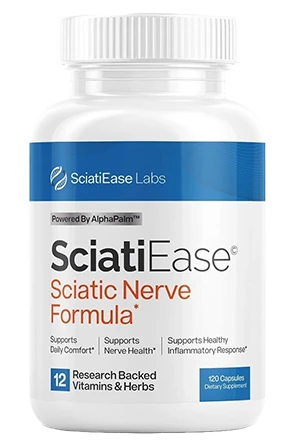
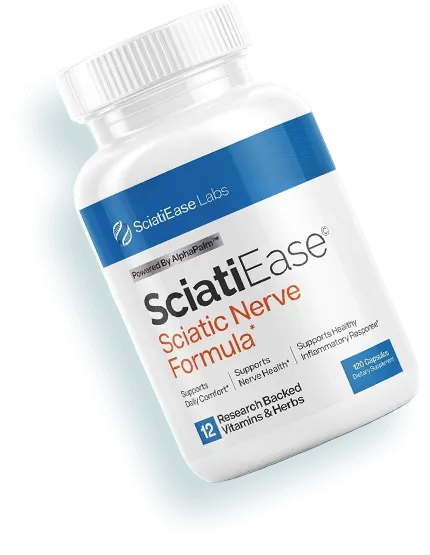
Don't let sciatica control your life any longer. Sciatiease is formulated with a synergistic blend of natural ingredients, carefully selected to support nerve health, reduce inflammation, and alleviate discomfort associated with sciatica and lower back pain. Reclaim your comfort and mobility with a solution trusted by many.
- Supports healthy nerve function
- Helps reduce inflammation
- Promotes overall back comfort
- Made with natural, high-quality ingredients
- Backed by a 60-day money-back guarantee




What Our Customers Are Saying
"After months of agonizing sciatica, Sciatiease has been a game-changer. The constant burning sensation in my leg has significantly diminished, allowing me to walk and even sleep without discomfort. Highly recommend!"
"I was skeptical, but Sciatiease truly helped. My lower back pain and the tingling down my leg are much better. It's a natural solution that actually works for me."
"Dealing with sciatica for years, I've tried everything. Sciatiease provided noticeable relief within a few weeks. I feel more flexible and less dependent on pain meds."
Frequently Asked Questions
What exactly is sciatica?
+Sciatica is not a condition itself, but rather a symptom of an underlying problem affecting the sciatic nerve. It describes pain that radiates along the path of the sciatic nerve, which branches from your lower back through your hips and buttocks and down each leg. Typically, sciatica affects only one side of your body. The pain can vary widely, from a mild ache to a sharp, burning sensation or excruciating discomfort. It can also be accompanied by numbness, tingling, or muscle weakness in the affected leg or foot.
What are the most common causes of sciatica?
+The most common cause of sciatica is a herniated or bulging disc in the lumbar spine, which presses on the sciatic nerve root. Other frequent causes include spinal stenosis (narrowing of the spinal canal), piriformis syndrome (a muscle spasm that irritates the sciatic nerve), spondylolisthesis (where one vertebra slips over another), and in rare cases, spinal tumors or infections. Understanding the specific cause is crucial for effective treatment.
How is sciatica diagnosed?
+Diagnosis of sciatica typically begins with a thorough physical examination and a review of your medical history. Your doctor will assess your reflexes, muscle strength, and sensation, and observe your gait and posture. Imaging tests like X-rays, MRI, or CT scans may be ordered to identify the underlying cause, such as a herniated disc or spinal stenosis. Electromyography (EMG) or nerve conduction studies can also help determine if nerve compression is present and its severity.
Can lifestyle changes help manage sciatica pain?
+Absolutely. Many lifestyle adjustments can significantly help manage and prevent sciatica pain. These include maintaining a healthy weight to reduce stress on your spine, engaging in regular low-impact exercises like walking or swimming to strengthen core muscles, practicing good posture, and using proper lifting techniques. Avoiding prolonged sitting and incorporating stretching into your daily routine can also alleviate pressure on the sciatic nerve. For additional support, consider natural supplements like Sciatiease, which can complement these changes.
When should I see a doctor for sciatica?
+You should seek immediate medical attention if you experience sudden, severe pain in your lower back or leg, especially if it's accompanied by muscle weakness, numbness, or loss of bowel or bladder control. These could be signs of a more serious condition. Otherwise, if your sciatica pain is persistent, worsening, or significantly interfering with your daily activities after a few days of self-care, it's advisable to consult a healthcare professional for an accurate diagnosis and personalized treatment plan.
How does Sciatiease help with sciatica pain?
+Sciatiease is a natural dietary supplement formulated with a blend of ingredients known for their anti-inflammatory, antioxidant, and nerve-supporting properties. Ingredients like Turmeric, Alpha Lipoic Acid, and Magnesium work synergistically to help reduce nerve irritation, alleviate inflammation, and promote overall nerve health. By addressing these underlying factors, Sciatiease aims to provide natural relief from sciatica and lower back discomfort, supporting your body's ability to heal and restore comfort. It's designed to be a complementary approach to a healthy lifestyle.
Related Articles