Suffering from persistent sciatica and lower back pain?
Sciatica and lower back pain can be debilitating, often limiting daily activities and diminishing quality of life. Many individuals seek non-pharmacological approaches to manage their discomfort, and among the most effective is therapeutic yoga. With its emphasis on gentle movement, stretching, and mindful breathing, yoga offers a powerful pathway to alleviating nerve pain and strengthening the supporting structures of your spine.
This comprehensive guide, authored by Dr. Laura Mitchell and reviewed by Dr. Frank Carter, M.D., will explore specific yoga poses tailored to provide relief for sciatica and lower back pain. While yoga offers natural relief, integrating a targeted supplement like Sciatiease can further support nerve health and reduce inflammation, providing a holistic approach to your well-being.

Understanding Sciatica and Lower Back Pain
Before diving into yoga poses, it's crucial to understand what sciatica is and why the lower back is so susceptible to pain. This knowledge empowers you to approach your yoga practice with greater awareness and safety.
Sciatica is not a condition itself, but rather a symptom of an underlying problem affecting the sciatic nerve. This nerve, the longest and widest in the human body, runs from the lower back, through the hips and buttocks, and down each leg. When compressed or irritated, it can cause radiating pain, numbness, tingling, or weakness in the leg and foot. Common culprits include a herniated disc, spinal stenosis, piriformis syndrome, or bone spurs. You can learn more about the specific causes of sciatica pain in our detailed article.
The lower back (lumbar spine) is a complex structure designed for both flexibility and strength. It supports the weight of the upper body and enables a wide range of movements. However, this flexibility also makes it vulnerable to injury and strain. Factors such as poor posture, prolonged sitting, heavy lifting, lack of core strength, and inflammatory conditions can contribute to chronic lower back pain, often exacerbating sciatic symptoms.
Yoga, when practiced correctly, can address many of these underlying issues by improving spinal alignment, strengthening supportive muscles, and increasing flexibility, thereby reducing pressure on the sciatic nerve and promoting overall spinal health.
The Therapeutic Power of Yoga for Sciatica Relief
Yoga is more than just stretching; it's a holistic practice that integrates physical postures (asanas), breathing techniques (pranayama), and meditation. For sciatica and lower back pain, this integrated approach can be profoundly therapeutic.
The primary goals of incorporating yoga into your sciatica relief regimen are to: gently stretch tight muscles that may be compressing the sciatic nerve, strengthen the core and gluteal muscles to better support the spine, improve overall flexibility and mobility, and foster a sense of calm to help manage chronic pain. It's important to remember that yoga for sciatica should always be gentle and modified to avoid exacerbating symptoms. Never push into pain.
Key Principles for Practicing Yoga with Sciatica:
- Listen to Your Body: This is paramount. If a pose causes sharp or increasing pain, stop immediately.
- Start Slowly and Gently: Don't try to achieve the deepest stretch right away. Progress gradually.
- Focus on Alignment: Proper form is more important than depth of stretch.
- Use Props: Blocks, straps, and blankets can help you achieve poses safely and comfortably.
- Breathe Deeply: Conscious breathing helps relax muscles and calm the nervous system, which can reduce pain perception.
- Consistency Over Intensity: Short, regular sessions are more effective than sporadic, intense ones.
Gentle Yoga Poses for Sciatica and Lower Back Relief
Here are several beneficial yoga poses, with modifications, that can help alleviate sciatica and lower back pain. Remember to move slowly and with intention.
1. Knees-to-Chest Pose (Apanasana)
This gentle pose helps to decompress the lower spine and stretch the glutes and lower back muscles, which can often be tight in individuals with sciatica. It's a great starting point for any sciatica-focused yoga session.
- How to: Lie on your back with knees bent and feet flat on the floor. On an exhale, hug both knees into your chest. You can hold onto your shins or the back of your thighs. Gently rock side to side if it feels comfortable, massaging the lower back. Hold for 30-60 seconds.
- Modification: If hugging both knees is too much, hug one knee at a time. Keep the other leg extended or bent with the foot flat on the floor.
- Benefits: Releases tension in the lower back, stretches the hips and glutes, and promotes relaxation.
2. Supine Spinal Twist (Supta Matsyendrasana)
Gentle twists can help mobilize the spine, release tension in the back, and stretch the outer hips and glutes, which can be beneficial for piriformis syndrome-related sciatica.
- How to: From Knees-to-Chest, extend your arms out to a 'T' shape, palms up or down. As you exhale, let both knees fall gently to one side, keeping your shoulders grounded. Look over the opposite shoulder. Hold for 30-60 seconds, then repeat on the other side.
- Modification: Place a cushion or folded blanket under your knees or between your knees to support them if they don't reach the floor comfortably. Keep knees closer to the chest for a milder twist.
- Benefits: Improves spinal mobility, stretches the back muscles, hips, and glutes, and aids in detoxification.
3. Cat-Cow Pose (Marjaryasana-Bitilasana)
This dynamic flow warms up the spine, improves its flexibility, and gently strengthens the core muscles, which are vital for lower back support. It helps to create space between the vertebrae.
- How to: Start on your hands and knees in a tabletop position, wrists under shoulders, knees under hips. Inhale, drop your belly, lift your tailbone and chest (Cow Pose). Exhale, round your spine, tuck your tailbone, and draw your chin to your chest (Cat Pose). Flow between these two poses for 5-10 breaths, coordinating with your breath.
- Modification: If wrist pain is an issue, perform this pose on your forearms or with hands on yoga blocks.
- Benefits: Increases spinal flexibility, strengthens core, and gently massages the abdominal organs.
4. Child's Pose (Balasana)
A deeply restorative pose that gently stretches the lower back, hips, and thighs. It's excellent for calming the nervous system and relieving stress, which often accompanies chronic pain.
- How to: From tabletop, bring your big toes to touch and spread your knees wide or keep them hip-width apart. Sit your hips back towards your heels and fold forward, resting your torso between your thighs. Extend your arms forward or rest them alongside your body. Rest your forehead on the mat. Hold for 1-5 minutes.
- Modification: Place a cushion or blanket under your forehead, hips, or between your thighs and calves for added comfort. If wide knees are uncomfortable, keep them closer together.
- Benefits: Calms the brain and helps relieve stress and fatigue, gently stretches the hips, thighs, and ankles, and relieves back and neck pain when done with head and torso supported.
5. Pigeon Pose (Eka Pada Rajakapotasana) - Modified
This pose is a powerful hip opener that can release tension in the piriformis muscle, a common contributor to sciatica. However, it must be approached with extreme caution and modifications, as a deep piriformis stretch can sometimes aggravate the nerve if done incorrectly or too intensely during an acute flare-up.
- How to: Start in a tabletop position. Bring your right knee forward towards your right wrist, placing your right foot near your left hip. Extend your left leg straight back. Ensure your hips are as level as possible (use a blanket under the right hip if it lifts significantly). You can stay upright, or gently fold forward over your front leg. Hold for 30-60 seconds, then switch sides.
- Modification: For a gentler, safer version, perform Figure Four Stretch (Supine Pigeon): Lie on your back, bend both knees, feet flat. Place your right ankle on your left thigh. Gently draw your left knee towards your chest, holding behind the left thigh. This provides a similar stretch without putting direct pressure on the hip.
- Benefits: Deeply stretches the hips, glutes, and piriformis muscle, potentially relieving sciatic nerve compression.
6. Reclined Hand-to-Big-Toe Pose (Supta Padangusthasana) - Hamstring Focus
Tight hamstrings can pull on the pelvis and lower back, contributing to sciatica. This pose gently stretches the hamstrings without overstraining the lower back or sciatic nerve.
- How to: Lie on your back. Bend your right knee and loop a strap around the ball of your right foot (or hold your big toe if flexible). Slowly extend your right leg towards the ceiling, keeping your lower back pressed into the floor. Keep a micro-bend in the knee if hamstrings are very tight. Hold for 30-60 seconds, then switch sides.
- Modification: Keep the knee significantly bent or use a longer strap. Do not pull the leg so far that your lower back lifts off the floor or you feel sharp pain in the hamstring or sciatic nerve.
- Benefits: Stretches the hamstrings and calves, helps decompress the lower spine, and improves leg flexibility.
7. Thread the Needle Pose (Urdhva Mukha Pasasana)
This is another excellent pose for gently stretching the outer hips and glutes, similar to Pigeon Pose but often more accessible and less intense for those with acute sciatica.
- How to: From tabletop, thread your right arm under your left armpit, palm facing up. Rest your right shoulder and the side of your head on the mat. Keep your left hand on the floor or extend it forward. Hold for 30-60 seconds, then repeat on the other side.
- Modification: Place a blanket under your head for comfort. Adjust the depth of the twist to your comfort level.
- Benefits: Stretches the shoulders, upper back, and outer hips, releasing tension that can impact the lower back.
💡 Key Takeaway
Gentle, consistent yoga practice focusing on spinal decompression, hip opening, and core strengthening can significantly alleviate sciatica and lower back pain. Always prioritize comfort and listen to your body, modifying poses as needed to avoid exacerbating symptoms. Integrating a natural supplement like Sciatiease can provide synergistic support for nerve health and inflammation reduction.
Beyond Poses: Holistic Benefits of Yoga for Sciatica Sufferers
The advantages of a regular yoga practice extend far beyond just physical stretching. For individuals managing sciatica and lower back pain, the holistic nature of yoga offers profound benefits that contribute to overall well-being and long-term relief.
Improved Flexibility and Range of Motion
Yoga systematically stretches muscles and connective tissues, increasing elasticity in the hamstrings, glutes, and lower back. This improved flexibility reduces tightness that can compress the sciatic nerve and enhances the overall range of motion in the hips and spine, allowing for freer, less painful movement.
Strengthened Core and Back Muscles
Many yoga poses engage and strengthen the deep core muscles (transverse abdominis, obliques) and the erector spinae muscles along the spine. A strong core acts as a natural corset, providing crucial support for the lower back and pelvis, thereby reducing strain on the sciatic nerve and preventing future pain episodes.
Reduced Inflammation and Nerve Compression
Gentle movements and improved circulation facilitated by yoga can help reduce inflammation around the sciatic nerve. By creating space in the spine and releasing muscle tension, yoga helps decompress the nerve, alleviating the irritation that causes pain. Mindful movement also prevents stiffness that can contribute to chronic inflammation.
Stress Reduction and Mental Well-being
Chronic pain, including sciatica, often leads to increased stress and anxiety, which can, in turn, heighten pain perception. Yoga’s emphasis on breathwork (pranayama) and meditation activates the parasympathetic nervous system, promoting relaxation, reducing stress hormones, and fostering a sense of calm that helps in managing pain more effectively.
Enhanced Body Awareness and Posture
Regular yoga practice cultivates a heightened awareness of your body's alignment and movement patterns. This increased proprioception helps you identify and correct poor postural habits that contribute to lower back pain and sciatica, leading to more ergonomic movements in daily life and sustained relief.
Improved Circulation and Nutrient Delivery
Movement and stretching in yoga enhance blood flow throughout the body, including to the spinal discs and surrounding tissues. Better circulation ensures a more efficient delivery of oxygen and nutrients and the removal of metabolic waste products, which is vital for tissue repair and nerve health, supporting the healing process.
Important Considerations Before Starting Your Yoga Practice
While yoga is generally safe and beneficial, it’s essential to approach it with caution, especially when dealing with a medical condition like sciatica. Prioritizing safety will ensure your practice is therapeutic, not harmful.
- Consult Your Doctor: Always speak with your physician or a physical therapist before starting any new exercise regimen, especially if you have chronic pain or a diagnosed condition like sciatica. They can provide guidance on appropriate movements and any poses to avoid based on your specific condition.
- Work with a Qualified Instructor: If possible, seek out a yoga instructor experienced in therapeutic yoga or working with individuals with back pain. They can offer personalized modifications and ensure proper alignment.
- Avoid Pain: Never push into pain. If a pose causes sharp, shooting, or increasing pain, gently come out of it. There's a difference between a healthy stretch and harmful pain.
- Warm-Up: Begin each session with gentle movements to warm up your muscles and joints. Simple stretches like marching in place, gentle neck rolls, or arm circles can prepare your body.
- Use Props Liberally: Yoga blocks, straps, blankets, and bolsters are your friends. They help bring the floor closer to you, support your body, and allow you to achieve poses safely without overstretching.
- Consistency is Key: Short, regular sessions (10-20 minutes daily or every other day) are often more effective than long, infrequent ones.
- Stay Hydrated: Drinking plenty of water supports joint health and muscle elasticity, which is crucial for a flexible yoga practice.
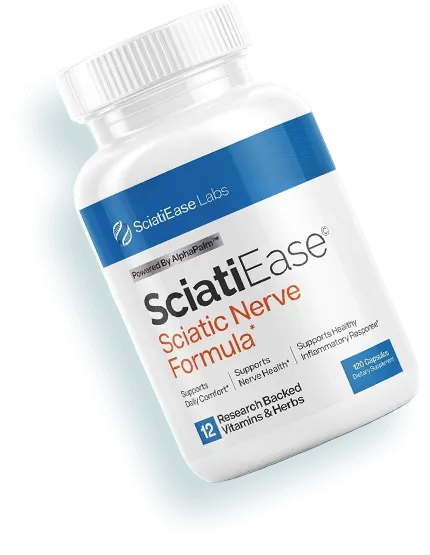
Key Natural Ingredients in Sciatiease Supporting Sciatica Relief
While yoga provides external relief through movement, Sciatiease offers internal support, targeting the root causes of nerve pain and inflammation. Its carefully selected ingredients work synergistically to promote nerve health and reduce discomfort.
Palmitoylethanolamide (PEA)
A naturally occurring fatty acid amide that plays a crucial role in the body's endocannabinoid system, known for its powerful anti-inflammatory and pain-modulating properties. PEA helps to calm overactive nerve signals and reduce neuropathic pain, making it highly beneficial for sciatica. For more in-depth information, read our article on Palmitoylethanolamide (PEA) for Sciatica.
Turmeric (Curcuma longa)
The active compound curcumin in turmeric is a potent anti-inflammatory agent. It helps reduce systemic inflammation, which can contribute to nerve irritation and pain in sciatica. Turmeric supports overall joint and muscle comfort.
Alpha Lipoic Acid (ALA)
A powerful antioxidant that protects nerve cells from damage caused by oxidative stress. ALA is particularly beneficial for neuropathic pain conditions like sciatica, as it supports nerve regeneration and improves nerve function, reducing tingling and numbness.
B Vitamin Complex (B1, B6, B12)
Essential for nerve health and function. B vitamins play a critical role in nerve cell metabolism, myelin sheath maintenance, and neurotransmitter production. Deficiencies can exacerbate nerve pain, making supplementation crucial for sciatica sufferers.
Magnesium
An essential mineral involved in over 300 biochemical reactions in the body, including muscle and nerve function. Magnesium helps relax muscles, reduce muscle spasms (which can contribute to sciatica), and calm the nervous system, offering relief from tension and pain.
Boswellia Serrata
An ancient herbal extract known for its strong anti-inflammatory properties. Boswellia helps reduce swelling and pain by inhibiting specific inflammatory pathways in the body, making it effective for musculoskeletal pain and nerve irritation.
Ginger Root
Another powerful natural anti-inflammatory and analgesic. Ginger helps reduce pain and inflammation by inhibiting prostaglandin synthesis, similar to NSAIDs but with fewer side effects. It contributes to overall pain relief and comfort.
White Willow Bark
Often referred to as "nature's aspirin," white willow bark contains salicin, which the body converts into salicylic acid. It has been used for centuries to relieve pain and reduce inflammation, offering a natural option for general discomfort associated with sciatica. Discover more about herbs for sciatica pain.
Feverfew
Traditionally used for pain relief and inflammation, feverfew contains parthenolides, which have anti-inflammatory and pain-relieving effects. It can help reduce the severity of pain by modulating inflammatory responses.
Find Lasting Relief from Sciatica with Sciatiease
While yoga offers invaluable physical benefits, combining it with the targeted nutritional support of Sciatiease can accelerate your journey to comfort. Sciatiease is formulated with scientifically backed natural ingredients designed to reduce nerve pain, inflammation, and muscle spasms, providing comprehensive relief.
- ✓ Targeted nerve support and repair
- ✓ Reduces inflammation and swelling
- ✓ Promotes muscle relaxation and eases spasms
- ✓ All-natural, non-GMO, and vegetarian-friendly ingredients
- ✓ Backed by a 60-day money-back guarantee




What Our Customers Say About Sciatiease
"I've tried everything for my sciatica, including physical therapy and gentle yoga. Sciatiease was the missing piece. The constant ache in my leg is finally gone, and I can move so much more freely. Highly recommend!"
"After years of living with lower back pain and occasional sciatica flare-ups, I started taking Sciatiease. Within a few weeks, I noticed a significant difference. The pain has decreased, and I feel more energetic. It's truly a game-changer."
"I was skeptical at first, but Sciatiease has genuinely helped me manage my chronic sciatica. Combined with my daily stretching routine, I'm experiencing far less numbness and discomfort. It's wonderful to have my life back."
Frequently Asked Questions
What is sciatica and what causes it?
+Sciatica refers to pain that radiates along the path of the sciatic nerve, which branches from your lower back through your hips and buttocks and down each leg. It typically affects only one side of your body. Common causes include a herniated disc, bone spur on the spine, or narrowing of the spine (spinal stenosis) which compresses part of the nerve. Inflammation, muscle spasms, and piriformis syndrome can also contribute to sciatic nerve irritation.
How can yoga help with sciatica?
+Yoga offers a multifaceted approach to sciatica relief by gently stretching tight muscles, strengthening core and back muscles, improving flexibility, and promoting better posture. Specific poses can help decompress the spine, reduce nerve impingement, and increase blood flow to the affected area. The mindful breathing and relaxation techniques in yoga also help manage pain perception and reduce stress, which can exacerbate chronic pain.
Are there any yoga poses to avoid with sciatica?
+Yes, certain yoga poses can worsen sciatica, especially during an acute flare-up. Avoid poses that involve deep forward folds from the hips, intense hamstring stretches that pull on the sciatic nerve (like standing forward bends with straight legs), and any poses that cause sharp pain. Deep twists or poses that put direct pressure on the sciatic nerve, such as certain advanced inversions, should also be approached with extreme caution or avoided entirely. Always listen to your body and modify poses as needed.
How often should I practice yoga for sciatica relief?
+Consistency is key when using yoga for sciatica relief. Aim for gentle yoga sessions 3-5 times a week, or even daily for shorter durations (10-15 minutes), focusing on gentle stretches and mobility. On days you don't practice full yoga, incorporate simple stretches and mindful movement. It's more beneficial to practice short, regular sessions than infrequent, intense ones. Always remember to warm up adequately and cool down.
Can Sciatiease be used with yoga for sciatica?
+Absolutely. Sciatiease is designed to complement natural pain relief strategies like yoga. While yoga helps with flexibility, strength, and nerve decompression, Sciatiease provides targeted nutritional support with ingredients like PEA, Turmeric, and Alpha Lipoic Acid to reduce inflammation, support nerve health, and alleviate discomfort from within. Used together, they can offer a comprehensive approach to managing and finding relief from sciatica and lower back pain.
Is Sciatiease safe and natural?
+Yes, Sciatiease is formulated with a blend of all-natural, scientifically-backed ingredients. It is manufactured in a GMP-certified facility in the USA, ensuring high quality and purity. The ingredients are carefully selected for their anti-inflammatory, neuroprotective, and pain-modulating properties. As with any supplement, it's always advisable to consult with your physician before starting, especially if you have underlying health conditions or are taking other medications.
Related Articles You Might Find Helpful