Suffering from the relentless ache of sciatica? Could nature hold the key to relief?
Sciatica, characterized by debilitating pain radiating from the lower back down the leg, affects millions worldwide, often severely impacting daily life and mobility. The search for effective, sustainable relief often leads individuals down various paths, with a growing number turning towards natural solutions.
In this comprehensive guide, we delve into the world of herbal medicine, exploring how specific botanicals can offer significant benefits for sciatica and lower back pain. From reducing inflammation to calming nerve pain, discover how you can embrace a natural, holistic sciatica management approach to reclaim comfort and improve your quality of life.
Understanding Sciatica: More Than Just Back Pain
Sciatica is a common, often debilitating condition that affects the sciatic nerve, the longest and widest nerve in the human body.
Originating in the lower back, the sciatic nerve extends through the hips and buttocks, and down each leg, branching into smaller nerves that reach the feet. When this nerve becomes compressed, irritated, or inflamed, it results in a characteristic type of pain known as sciatica. The symptoms can vary widely in intensity and presentation, but typically include a sharp, shooting pain, numbness, tingling, or weakness in the lower back, buttocks, and leg, often affecting only one side of the body.
Common causes of sciatica include a herniated or slipped disk, which can press directly on the nerve root; spinal stenosis, a narrowing of the spinal canal; spondylolisthesis, where one vertebra slips over another; and piriformis syndrome, a condition where the piriformis muscle (located deep in the buttock) spasms and irritates the sciatic nerve. Less common causes can include tumors, infections, or direct injury to the nerve.
Living with sciatica can be incredibly challenging. The pain can make simple movements like sitting, standing, walking, or even sleeping excruciating. It can disrupt work, social activities, and overall quality of life, leading to frustration and despair for many sufferers. While conventional treatments often involve pain medications, physical therapy, or injections, a growing number of individuals are seeking gentler, more holistic alternatives. This is where the power of nature, particularly certain herbs, comes into play, offering promising avenues for natural relief and long-term management.
💡 Key Takeaway
Sciatica, a prevalent condition caused by sciatic nerve compression, manifests as radiating pain, numbness, and weakness. While challenging, natural herbal remedies offer a promising, gentle pathway to reduce inflammation, soothe nerve pain, and support overall healing, complementing conventional approaches.
Why Choose Natural Herbs for Sciatica Relief?
The appeal of natural remedies for sciatica stems from several key advantages they offer over synthetic pharmaceuticals.
Firstly, many conventional pain medications, particularly NSAIDs (non-steroidal anti-inflammatory drugs) and opioids, come with a range of potential side effects, including gastrointestinal issues, liver damage, dependency, and cardiovascular risks with long-term use. Herbal remedies, when used appropriately, often present a milder side effect profile, making them a more sustainable option for chronic conditions like sciatica. This is especially important for those looking to avoid the harsh impacts of prolonged medication use. If you're weighing your options, you might find our article on Sciatica Supplement vs. Pain Medication particularly insightful.
Secondly, herbs often work synergistically with the body, addressing not just the symptoms but also the underlying causes of inflammation and nerve irritation. Instead of simply masking pain, many botanicals help modulate the body's inflammatory response, support nerve regeneration, and relax tense muscles that might be compressing the sciatic nerve. This holistic approach can lead to more comprehensive and lasting relief.
Furthermore, incorporating herbs into a sciatica management plan empowers individuals to take a more active role in their health. It encourages a focus on overall wellness, including diet, exercise, and stress management, creating a more integrated and proactive healing journey. The wisdom of traditional herbal medicine, honed over centuries, provides a rich resource for those seeking to reconnect with natural healing principles.
The Multitude of Benefits: How Natural Remedies Support Sciatica Healing
Embracing natural solutions for sciatica offers a holistic pathway to recovery, focusing on the body's inherent ability to heal and restore balance.
Targeted Anti-Inflammatory Action
Many herbs are renowned for their potent anti-inflammatory compounds. By reducing systemic inflammation, they can directly alleviate swelling and pressure on the sciatic nerve, which is a primary cause of sciatica pain. This natural reduction in inflammation helps to soothe irritated nerve tissues and promote healing without the gastric distress often associated with NSAIDs.
Natural Pain Relief and Analgesia
Certain botanicals act as natural analgesics, helping to dull pain signals and provide comfort. Unlike synthetic pain relievers that can have significant side effects, these herbs offer a gentler approach to managing discomfort. They work by interacting with pain pathways in the body, providing relief while minimizing adverse reactions, allowing for improved daily function.
Muscle Relaxation and Spasm Reduction
Muscle spasms in the lower back and glutes can often exacerbate sciatica by further compressing the sciatic nerve. Several herbs possess natural muscle relaxant properties, helping to ease tension and reduce painful cramping. By promoting muscle relaxation, they can alleviate nerve impingement and improve flexibility, contributing to greater mobility and comfort.
Nerve Support and Regeneration
Beyond pain and inflammation, some natural compounds are vital for nerve health, offering neuroprotective benefits and even supporting nerve regeneration. This is crucial for long-term sciatica recovery, as it helps repair damaged nerve tissues and maintain optimal nerve function. Essential vitamins and minerals found in nature play a key role in this restorative process.
Improved Mobility and Quality of Life
Ultimately, the goal of any sciatica treatment is to restore function and improve overall quality of life. By reducing pain, inflammation, and muscle stiffness, natural remedies help individuals regain lost mobility, allowing them to engage in daily activities with greater ease and comfort. This holistic improvement can significantly enhance mental well-being and reduce the stress associated with chronic pain.
Potent Herbs and Natural Compounds for Sciatica and Nerve Pain
Nature offers a powerful apothecary of herbs and nutrients specifically beneficial for alleviating sciatica and supporting nerve health. These compounds work through various mechanisms, from reducing inflammation to calming nerve signals.
Turmeric (Curcuma longa)
Role: Anti-inflammatory and analgesic. Turmeric contains curcumin, a potent compound known for its powerful anti-inflammatory effects. It works by inhibiting inflammatory pathways and molecules in the body, similar to some NSAIDs but with fewer side effects. It can significantly reduce swelling and pain associated with nerve compression, making it a cornerstone for natural pain management.
Boswellia Serrata (Indian Frankincense)
Role: Anti-inflammatory and pain reducer. Boswellia resin contains boswellic acids, which are effective in inhibiting pro-inflammatory enzymes. It has been used for centuries in Ayurvedic medicine for its ability to reduce inflammation and pain, particularly in musculoskeletal conditions. It helps soothe nerve irritation and reduce the swelling that often contributes to sciatica.
Devil's Claw (Harpagophytum procumbens)
Role: Powerful anti-inflammatory and analgesic. Native to Southern Africa, Devil's Claw is celebrated for its active compounds, harpagosides, which possess strong anti-inflammatory and pain-relieving properties. Studies suggest it can be as effective as some conventional drugs in reducing back pain and improving mobility, making it excellent for sciatica.
White Willow Bark (Salix alba)
Role: Natural pain reliever. White Willow Bark contains salicin, a compound similar to aspirin, which the body converts into salicylic acid. It works by reducing the production of prostaglandins, chemicals that contribute to pain and inflammation. It provides effective, natural pain relief for sciatica and general lower back discomfort.
Magnesium
Role: Muscle relaxant and nerve function support. Magnesium is a vital mineral involved in over 300 biochemical reactions in the body. It plays a crucial role in muscle and nerve function, helping to relax tense muscles that might be compressing the sciatic nerve. It also supports healthy nerve signal transmission and can alleviate muscle cramps and spasms often associated with sciatica.
B Vitamins (B1, B6, B12)
Role: Nerve health and repair. The B-complex vitamins are essential for optimal nerve function. Vitamin B1 (Thiamine) supports nerve energy. Vitamin B6 (Pyridoxine) is crucial for neurotransmitter synthesis and nerve signal transmission. Vitamin B12 (Cobalamin) is vital for myelin sheath formation, which protects nerves. Deficiencies can exacerbate nerve pain, making supplementation crucial for nerve recovery and protection.
Valerian Root (Valeriana officinalis)
Role: Natural sedative and muscle relaxant. Valerian root is well-known for its calming and muscle-relaxing properties. It can help reduce muscle spasms in the lower back and glutes that contribute to sciatic nerve compression. Its sedative effects can also improve sleep quality, which is often disturbed by chronic pain.
Passionflower (Passiflora incarnata)
Role: Calms nerves and reduces anxiety. Passionflower is a traditional remedy for anxiety and insomnia. Its mild sedative effects can help relax the nervous system, which is often overstimulated by chronic pain. By reducing stress and tension, it can indirectly help alleviate muscle tightness and nerve sensitivity associated with sciatica.
California Poppy (Eschscholzia californica)
Role: Mild analgesic and sedative. California Poppy is a gentle nervine and analgesic. It helps to calm overactive nerves and provide mild pain relief without the strong sedative effects of stronger opiates. It can be particularly useful for easing the nerve-related discomfort and improving sleep quality for sciatica sufferers.
Jamaican Dogwood (Piscidia erythrina)
Role: Potent pain reliever and anti-spasmodic. Traditionally used for nerve pain and muscle spasms, Jamaican Dogwood is a powerful botanical. It acts as a natural analgesic and antispasmodic, making it effective for deep-seated nerve pain and muscle cramps common with sciatica. It's often used in formulas targeting severe neuralgic pain.
Beyond Herbs: Holistic Strategies for Sciatica Management
While herbs provide powerful support, a truly holistic approach to sciatica relief integrates lifestyle modifications that address the root causes and promote overall well-being.
Gentle Exercise and Stretching: Regular, low-impact exercise is crucial for sciatica management. Activities like walking, swimming, and cycling can strengthen core muscles, improve flexibility, and reduce pressure on the sciatic nerve. Specific stretches, such as knee-to-chest stretches, piriformis stretches, and hamstring stretches, can significantly alleviate nerve compression and muscle tightness. It's important to start slowly and consult a physical therapist to ensure proper form and avoid exacerbating the condition. For more targeted exercises, check out our guide on How to Reduce Sciatica Pain at Home.
Heat and Cold Therapy: Alternating between heat and cold can provide significant relief for sciatica pain. Cold packs can reduce inflammation and numb the area during acute flare-ups, while heat packs can relax tight muscles and improve blood flow, promoting healing. Apply for 15-20 minutes at a time, several times a day.
Posture Correction: Poor posture, especially prolonged sitting or standing in an incorrect position, can put undue stress on the lower back and sciatic nerve. Pay attention to your posture throughout the day. Use ergonomic chairs, maintain a neutral spine, and take regular breaks to stand and stretch if your job requires long periods of sitting. When sleeping, use a supportive mattress and consider placing a pillow between your knees if you sleep on your side, or under your knees if you sleep on your back.
Anti-Inflammatory Diet: What you eat can profoundly impact inflammation levels in your body. Adopting an anti-inflammatory diet rich in fruits, vegetables, whole grains, lean proteins, and healthy fats (like omega-3s found in fish, flaxseeds, and walnuts) can help reduce systemic inflammation. Avoid processed foods, excessive sugar, and unhealthy fats, which can trigger inflammatory responses. Hydration is also key; drinking plenty of water helps maintain spinal disk health.
Stress Management: Chronic stress can lead to muscle tension, particularly in the lower back and neck, and can also heighten pain perception. Incorporating stress-reducing techniques such as meditation, deep breathing exercises, yoga, or mindfulness into your daily routine can help relax the body and mind, thereby alleviating muscle tightness and improving your ability to cope with pain. Managing stress is a vital component of holistic healing for sciatica.
By combining these holistic strategies with the targeted benefits of natural herbs, individuals can create a powerful, multi-pronged approach to managing sciatica, fostering not just pain relief but overall health and resilience. For more ideas on managing sudden pain, read about Natural Remedies for Sciatica Flare-Ups.
Find Lasting Comfort with Sciatiease: Your Natural Path to Sciatica Relief
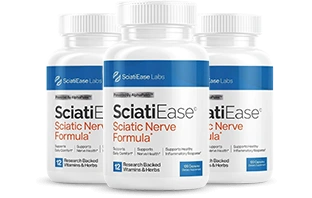
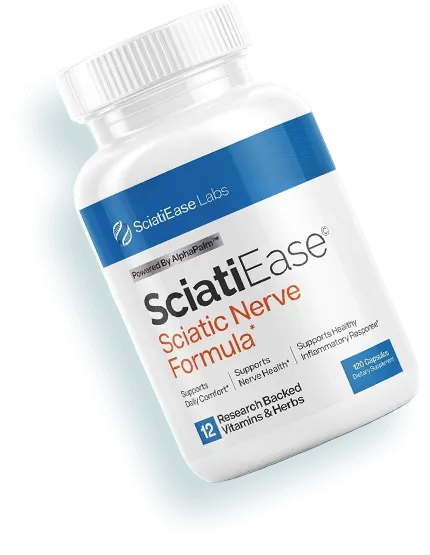
While exploring individual herbs is beneficial, combining them effectively can be challenging. Sciatiease offers a convenient, scientifically formulated blend of nature's most potent anti-inflammatory and nerve-supporting ingredients, specifically designed to target sciatica and lower back pain. It's a comprehensive solution for those seeking natural, effective relief.
- ✓ Advanced Nerve & Back Support Formula
- ✓ Reduces Inflammation & Soothes Nerve Pain
- ✓ Promotes Muscle Relaxation & Flexibility
- ✓ All-Natural, Non-GMO Ingredients
- ✓ Made in the USA, GMP Certified Facility




Real People, Real Relief: Sciatiease Success Stories
"I've battled sciatica for years, trying everything under the sun. Sciatiease was a game-changer. The constant burning pain in my leg has significantly reduced, and I can finally enjoy walks again. It feels like a miracle!"
"After just a few weeks of using Sciatiease, I noticed a considerable difference in my lower back pain. The stiffness is gone, and I wake up feeling refreshed instead of dreading getting out of bed. Highly recommend for natural relief."
"My doctor suggested trying a natural supplement, and I'm so glad I chose Sciatiease. The blend of herbs really works to calm my nerve pain. It's given me my life back without the worry of harsh side effects."
Frequently Asked Questions
What is sciatica, and why is it so painful?
+Sciatica refers to pain that radiates along the path of the sciatic nerve, which branches from your lower back through your hips and buttocks and down each leg. It typically affects only one side of your body. Sciatica occurs when the sciatic nerve becomes compressed or irritated, often due to a herniated disk, bone spur on the spine, or narrowing of the spine (spinal stenosis). The pain can range from a mild ache to a sharp, burning sensation or excruciating discomfort, often accompanied by numbness, tingling, or muscle weakness in the affected leg or foot. Its intensity and chronic nature are due to the sciatic nerve being the longest and widest nerve in the human body, directly impacting mobility and quality of life.
How can natural herbs help in relieving sciatica pain?
+Natural herbs offer a multifaceted approach to sciatica relief by targeting various underlying causes and symptoms. Many herbs possess potent anti-inflammatory properties, which can help reduce the swelling and pressure on the sciatic nerve. Others act as natural analgesics, easing pain without the side effects often associated with pharmaceutical options. Additionally, some herbs have muscle relaxant qualities that can alleviate spasms contributing to nerve compression, while others support nerve health and repair. By addressing inflammation, pain, muscle tension, and nerve function, these botanicals can provide significant, gentle relief and promote long-term well-being.
Are there any side effects to using natural remedies for sciatica?
+While natural remedies are generally considered safer than many conventional medications, they are not entirely free of potential side effects. The risk of side effects depends on the specific herb, its dosage, individual sensitivities, and potential interactions with other medications or existing health conditions. For example, some anti-inflammatory herbs may thin the blood, while others could cause digestive upset. It is crucial to consult a healthcare professional, especially your physician or a qualified herbalist, before starting any new herbal regimen, particularly if you are pregnant, nursing, have a chronic medical condition, or are taking prescription drugs. They can help ensure the remedies are appropriate and safe for your specific situation.
How long does it typically take to experience relief from sciatica using herbal remedies?
+The timeframe for experiencing relief from sciatica using herbal remedies can vary significantly from person to person. Factors such as the severity and chronicity of your sciatica, your overall health, the specific herbs used, and adherence to the regimen all play a role. Some individuals might notice subtle improvements within a few days to a week, especially with acute inflammation. However, for more chronic or severe cases, it may take several weeks to a few months of consistent use to achieve substantial and lasting relief. It's important to remember that herbal remedies work synergistically with the body's natural healing processes and are often part of a broader holistic approach, requiring patience and consistency for optimal results.
How does Sciatiease fit into a natural approach to sciatica relief?
+Sciatiease is formulated to complement a natural approach to sciatica relief by combining a synergistic blend of carefully selected herbs and nutrients known for their anti-inflammatory, analgesic, and nerve-supporting properties. It aims to provide comprehensive support for individuals seeking natural ways to manage their sciatica and lower back pain. By concentrating key botanical extracts and essential vitamins in a convenient daily supplement, Sciatiease offers a targeted solution that harnesses the power of nature to soothe discomfort, reduce inflammation, and promote overall nerve health, making it an excellent addition to a holistic wellness routine.
Do I need a prescription to purchase Sciatiease?
+No, Sciatiease is an all-natural dietary supplement formulated with herbal extracts, vitamins, and minerals. It is not a pharmaceutical drug and therefore does not require a prescription from a doctor. However, as with any dietary supplement, it is always advisable to consult with your healthcare provider before beginning any new supplement regimen, especially if you have pre-existing medical conditions, are taking other medications, or are pregnant or nursing. This ensures that Sciatiease is suitable for your individual health needs and will not interact negatively with any other treatments you may be undergoing.
Related Articles