Is Your Weight Contributing to Your Sciatica Pain? Discover the Connection.
Sciatica, characterized by sharp, shooting pain radiating from the lower back down one leg, can be debilitating. While many factors contribute to this condition, the role of body weight is often underestimated yet profoundly significant. For millions worldwide, carrying excess weight places undue stress on the spine, directly exacerbating or even causing sciatic nerve compression.
Understanding this crucial link is the first step toward finding lasting relief. This comprehensive guide, authored by Dr. Laura Mitchell and reviewed by Dr. Frank Carter, M.D., will delve into how your weight impacts your spinal health, offering actionable strategies for effective weight management to alleviate sciatica pressure and improve your overall well-being. We'll explore dietary changes, appropriate exercises, and lifestyle adjustments that can make a tangible difference in your daily comfort and mobility.
The Unseen Burden: How Excess Weight Impacts Your Spine and Sciatic Nerve
Your spine is an incredible feat of engineering, designed to support your body's weight, allow flexible movement, and protect the delicate spinal cord and nerves. However, it has its limits. When you carry excess weight, particularly around your midsection, you inadvertently place an enormous, constant burden on this intricate structure.
This added weight shifts your body's center of gravity forward, pulling your pelvis with it. To compensate and maintain balance, your lower back (lumbar spine) has to work harder, often resulting in an exaggerated inward curve known as hyperlordosis. This altered posture isn't just cosmetic; it has profound biomechanical consequences. The increased curvature compresses the discs between your vertebrae – the natural shock absorbers of your spine. These discs can bulge or herniate under sustained pressure, pushing outward and potentially impinging upon the sensitive nerve roots that exit the spinal column. Among these nerve roots is the very origin of the sciatic nerve, the largest nerve in the human body.
Beyond direct compression, excess weight also contributes to systemic inflammation. Adipose tissue (body fat) is not merely an inert storage depot; it's an active endocrine organ that releases inflammatory cytokines. Chronic, low-grade inflammation throughout the body can exacerbate nerve irritation and pain, making sciatica symptoms more severe and persistent. Moreover, the increased load on joints and ligaments can lead to accelerated wear and tear, contributing to conditions like osteoarthritis, which can further narrow the spinal canal (spinal stenosis) and compress nerve roots.
The cumulative effect of these factors – mechanical stress, disc degeneration, altered posture, and systemic inflammation – creates a perfect storm for the development or worsening of sciatica. It transforms a minor irritation into a chronic, debilitating condition that significantly impacts quality of life.
💡 Key Takeaway
Excess weight puts significant mechanical stress on the lower back, leading to disc compression, altered spinal posture (hyperlordosis), and systemic inflammation, all of which contribute directly to the development and exacerbation of sciatica and lower back pain.
Understanding the Biomechanics: How Weight Magnifies Sciatic Pressure
To truly grasp why weight management is critical for sciatica relief, it helps to understand the precise biomechanical forces at play. It's not just about "more weight"; it's about how that weight is distributed and how it interacts with the delicate structures of your lumbar spine.
Increased Axial Load on Vertebrae
Every extra pound you carry translates to a disproportionately higher load on your spinal discs. For example, some studies suggest that for every pound of body weight gained, the spine experiences an additional 4-6 pounds of pressure. This constant compression can cause discs to flatten, bulge, or herniate, directly pressing on the sciatic nerve roots.
Altered Spinal Alignment and Posture
The accumulation of abdominal fat pulls the pelvis forward, increasing the arch in the lower back (lumbar lordosis). This posture, while seemingly minor, significantly alters the natural alignment of the spine, narrowing the spaces through which nerves exit (foramina) and increasing the likelihood of nerve impingement. It also strains the muscles and ligaments supporting the spine, leading to muscle spasms and chronic pain.
Muscle Imbalances and Weakness
Obesity often correlates with weaker core muscles, which are vital for spinal stability. When the core is weak, other muscles, such as those in the lower back and hamstrings, must overcompensate, leading to fatigue, tightness, and further postural deviations. This imbalance can intensify pressure on the sciatic nerve and reduce the spine's ability to withstand daily stresses.
Systemic Inflammation and Nerve Sensitivity
Beyond mechanical stress, adipose tissue actively produces inflammatory chemicals called cytokines. This chronic, low-grade inflammation can sensitize nerve endings, making them more susceptible to pain signals even from minor compression. This means that even if the physical pressure is slight, the inflammatory environment can make sciatica symptoms feel much more severe and persistent.
Reduced Mobility and Physical Activity
Individuals carrying excess weight often experience reduced mobility and find physical activity more challenging. This lack of movement can lead to stiff joints, weakened muscles, and poorer circulation, all of which can exacerbate sciatica. A sedentary lifestyle further contributes to weight gain, creating a vicious cycle that perpetuates pain and limits recovery.
Comprehensive Strategies for Healthy Weight Management and Sciatica Relief
Achieving and maintaining a healthy weight is not a quick fix, but a journey that involves sustainable lifestyle changes. For individuals with sciatica, these changes are not just about aesthetics; they are about significantly reducing pain and improving quality of life. Here's a multi-faceted approach:
1. Nutritional Foundations: Fueling Your Body for Health and Healing
Your diet plays a pivotal role in both weight management and inflammation control. Shifting to an anti-inflammatory eating pattern can provide dual benefits, helping you shed pounds while calming irritated nerves.
- Focus on Whole Foods: Prioritize fruits, vegetables, lean proteins (chicken, fish, legumes), and whole grains. These foods are rich in nutrients, fiber, and antioxidants, which support overall health and satiety.
- Embrace Healthy Fats: Incorporate omega-3 fatty acids found in salmon, mackerel, chia seeds, flaxseeds, and walnuts. These fats are potent anti-inflammatories. Olive oil and avocados also provide beneficial monounsaturated fats.
- Limit Processed Foods and Sugars: Highly processed foods, refined carbohydrates, and sugary drinks contribute to inflammation and make weight loss challenging. They often lack essential nutrients and are high in empty calories.
- Stay Hydrated: Drinking plenty of water is crucial for metabolic function, joint lubrication, and maintaining disc health. Dehydration can affect the elasticity of spinal discs, making them more vulnerable to compression.
- Portion Control: Even healthy foods can contribute to weight gain if consumed in excessive portions. Pay attention to serving sizes and practice mindful eating.
2. Smart Exercise: Moving Safely to Strengthen and Support
Physical activity is indispensable for weight loss and strengthening the muscles that support your spine. However, with sciatica, it's crucial to choose exercises that don't exacerbate your pain.
- Low-Impact Aerobics: Activities like walking, swimming, and cycling (especially on a recumbent bike) are excellent for burning calories without jarring the spine. They improve cardiovascular health and can help reduce overall body fat.
- Core Strengthening: A strong core acts as a natural corset for your spine, providing stability and reducing pressure on the sciatic nerve. Gentle core exercises, such as pelvic tilts, bird-dog, and modified planks, are highly beneficial. Always engage your core muscles correctly and avoid exercises that cause pain.
- Flexibility and Stretching: Tight hamstrings and hip flexors can contribute to sciatica by altering pelvic tilt and pulling on the lower back. Gentle stretching, guided by a physical therapist, can improve flexibility and reduce nerve tension. For specific stretches, you might find valuable insights in our article on effective yoga poses for sciatica relief.
- Listen to Your Body: Never push through pain. If an exercise causes discomfort, stop immediately. Consulting with a physical therapist can help you develop a personalized exercise plan that is safe and effective for your condition.
3. Lifestyle Adjustments: Holistic Support for Your Spine
Weight management and sciatica relief extend beyond diet and exercise to encompass a broader approach to your daily life.
- Prioritize Sleep: Adequate, restorative sleep is vital for hormone regulation (including those that impact appetite and metabolism) and for tissue repair. Poor sleep can lead to increased inflammation and pain sensitivity. Consider improving your sleep hygiene and explore optimal sleep positions for sciatica relief to ensure your spine is supported overnight.
- Manage Stress: Chronic stress can lead to muscle tension, inflammation, and even weight gain. Incorporate stress-reduction techniques such as meditation, deep breathing exercises, or hobbies you enjoy. Our lifestyle tips for managing sciatica offer further guidance on this.
- Ergonomics: Ensure your workstation and daily environments support good posture. Use an ergonomic chair, adjust your screen height, and take regular breaks to stand and stretch.
- Quit Smoking: Smoking impairs blood flow to spinal discs, accelerating degeneration and hindering healing. It also increases systemic inflammation.
The Benefits of Weight Loss for Sciatica Sufferers
The effort you put into managing your weight can yield significant, tangible benefits for your sciatica, extending far beyond just pain relief. These positive changes contribute to a better quality of life and long-term spinal health.
Reduced Spinal Compression
The most direct benefit is the immediate reduction in the mechanical load on your lumbar spine. Less weight means less pressure on your intervertebral discs and nerve roots, directly alleviating the source of sciatic pain caused by compression.
Improved Posture and Alignment
As abdominal weight decreases, your body's center of gravity shifts back to a more natural position. This helps correct hyperlordosis, allowing your spine to maintain its proper curvature, which reduces strain on muscles and ligaments and opens up nerve pathways.
Decreased Inflammation
Weight loss, particularly of visceral fat, reduces the production of pro-inflammatory cytokines. This creates a less inflammatory environment in your body, which can calm irritated nerves and reduce the overall intensity and frequency of sciatica flare-ups.
Enhanced Core Strength and Stability
As you lose weight and engage in appropriate exercises, your core muscles become stronger. A robust core provides better support for your spine, protecting it from undue stress during daily activities and promoting better overall spinal stability.
Increased Mobility and Flexibility
With less weight to carry and improved muscle balance, you'll experience greater ease of movement. This improved mobility allows for a wider range of motion, making everyday tasks less painful and encouraging more physical activity, creating a positive feedback loop for continued health.
Better Overall Health and Mood
Beyond sciatica, weight loss significantly improves cardiovascular health, reduces the risk of diabetes, and boosts energy levels. The psychological benefits, including increased self-esteem and reduced stress, also contribute to a more positive outlook, which can profoundly impact how you experience and cope with chronic pain.
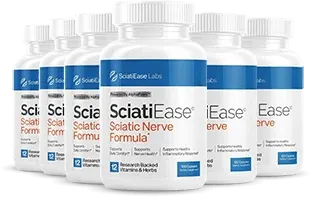
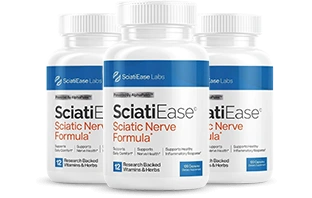
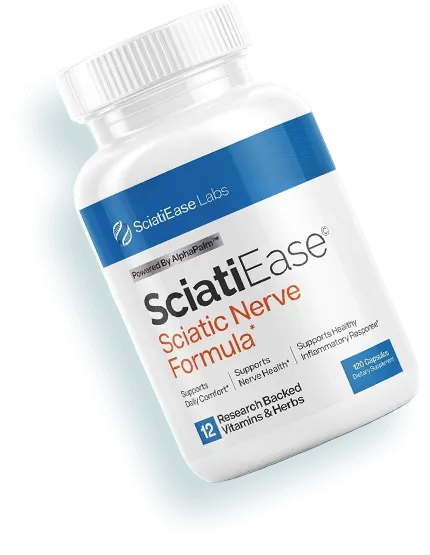
Supporting Your Journey: The Role of Sciatiease in Holistic Sciatica Relief
While weight management is a cornerstone of sciatica relief, it's often part of a broader, holistic strategy. For many, integrating a supportive supplement can provide additional relief, especially during the initial stages of lifestyle change or when dealing with persistent nerve inflammation. Sciatiease is designed to complement your efforts by targeting the underlying causes of nerve pain and promoting overall neurological health.
Sciatiease is an all-natural supplement formulated with a blend of ingredients known for their anti-inflammatory, neuroprotective, and pain-relieving properties. It's not a magic pill for weight loss, nor does it replace the need for healthy lifestyle choices. Instead, it acts as a powerful adjunctive therapy, helping to calm irritated nerves, reduce inflammation, and support the body's natural healing processes while you work on managing your weight and strengthening your body.
By addressing nerve pain and inflammation directly, Sciatiease can help reduce the discomfort associated with sciatica, making it easier for you to engage in the physical activities necessary for weight loss. When your pain is better managed, you're more likely to stick to your exercise routine, improve your posture, and experience the full benefits of your weight management efforts. It's about creating a synergistic approach where each component supports the other for optimal results.
Key Ingredients in Sciatiease for Nerve and Pain Support
Sciatiease utilizes a carefully selected blend of natural ingredients, each chosen for its proven benefits in supporting nerve health, reducing inflammation, and alleviating pain. Here are some of the active components you'll find in every capsule:
Alpha Lipoic Acid (ALA)
Role: A powerful antioxidant that protects nerve cells from damage and helps improve nerve function. It's particularly noted for its ability to reduce neuropathic pain and inflammation.
Typical Dosage: 300-600mg
Turmeric (Curcuma Longa)
Role: Contains curcumin, a potent anti-inflammatory compound. Turmeric helps reduce pain and swelling around nerve tissues, offering natural relief comparable to some anti-inflammatory drugs.
Typical Dosage: 500-1000mg (standardized extract)
Acetyl-L-Carnitine (ALCAR)
Role: Supports nerve regeneration and function, and reduces nerve pain. ALCAR is essential for mitochondrial energy production in nerve cells and acts as an antioxidant.
Typical Dosage: 500-1500mg
Magnesium
Role: Crucial for muscle and nerve function. Magnesium helps relax muscles, reduce spasms, and can alleviate nerve pain by blocking NMDA receptors, which are involved in pain signaling.
Typical Dosage: 200-400mg
Vitamins B1, B6, B12 (B-Complex)
Role: Essential for nerve health and repair. These B vitamins play critical roles in myelin sheath formation (the protective coating around nerves) and neurotransmitter synthesis, directly supporting nerve function and reducing neuropathic pain.
Typical Dosage: Varies by vitamin, generally high potency
Boswellia Serrata Extract
Role: Known for its powerful anti-inflammatory properties, boswellia helps reduce swelling and pain, particularly in conditions affecting joints and connective tissues, which can indirectly alleviate nerve pressure.
Typical Dosage: 300-500mg (standardized extract)
Feverfew (Tanacetum Parthenium)
Role: Traditionally used for pain relief, feverfew contains compounds that can help reduce inflammation and spasms, contributing to overall pain management.
Typical Dosage: 100-250mg
White Willow Bark Extract
Role: A natural source of salicin, similar to aspirin, offering pain-relieving and anti-inflammatory effects. It can help reduce the discomfort associated with sciatica without the harsh side effects of some synthetic pain relievers.
Typical Dosage: 120-240mg (standardized to salicin)
Experience the Difference: A Natural Approach to Sciatica Relief
If you're ready to take a proactive step in managing your sciatica and supporting your body's natural healing capabilities, Sciatiease offers a meticulously crafted formula designed to provide comprehensive relief. Don't let nerve pain dictate your life any longer. Combine your weight management efforts with the targeted support of Sciatiease.
- Targeted Nerve Support: Ingredients chosen specifically to nourish and protect nerve health.
- Potent Anti-Inflammatory Action: Helps reduce swelling and irritation around the sciatic nerve.
- Natural Pain Relief: Addresses discomfort without the harsh side effects of pharmaceutical options.
- Enhances Mobility: By reducing pain and inflammation, it helps improve flexibility and movement.
- Made with Premium Ingredients: High-quality, natural compounds for optimal efficacy and safety.




What Our Customers Are Saying About Sciatiease
"I've struggled with sciatica for years, and losing weight helped, but Sciatiease truly provided the extra relief I needed. The constant ache is finally manageable, and I can move so much better now. Highly recommend!"
"After starting my weight loss journey, my doctor suggested a supplement for nerve support. Sciatiease has been fantastic. My back pain has significantly decreased, and I feel more energetic. It's made a huge difference."
"I was skeptical, but the combination of healthier eating, regular walking, and Sciatiease has transformed my life. The debilitating sciatica pain is almost gone, and I feel like myself again. Worth every penny!"
Frequently Asked Questions
How does excess weight specifically affect sciatica?
+Excess weight, particularly around the abdomen, shifts your center of gravity forward, placing increased strain on the lower back. This can exaggerate the natural curve of your spine (lordosis), leading to compression of the lumbar discs and nerve roots, including the sciatic nerve. Over time, this sustained pressure can cause inflammation, irritation, and the characteristic pain of sciatica.
What kind of exercises are safe for weight loss when I have sciatica?
+Low-impact exercises are crucial. Walking, swimming, cycling (recumbent bike often preferred), and gentle yoga or Pilates are excellent choices. Focus on strengthening your core muscles, as a strong core supports the spine and reduces pressure. Always consult with a healthcare professional or physical therapist before starting a new exercise regimen to ensure it's safe and appropriate for your specific condition.
Can losing a small amount of weight really make a difference for sciatica?
+Absolutely. Even a modest weight loss of 5-10% of your body weight can significantly reduce the load on your spine and alleviate sciatica symptoms. Every pound lost translates to a substantial reduction in pressure on your lower back and sciatic nerve, leading to decreased pain and improved mobility. Small, sustainable changes often lead to the most impactful long-term results.
Are there specific foods I should eat or avoid to help with sciatica and weight management?
+For both weight management and inflammation reduction, focus on an anti-inflammatory diet rich in fruits, vegetables, lean proteins, and healthy fats (like those found in olive oil, avocados, and fatty fish). Limit processed foods, sugary drinks, excessive red meat, and refined carbohydrates, as these can contribute to inflammation and weight gain. Hydration is also key.
How long does it typically take to see sciatica relief after starting a weight loss program?
+The timeline for relief can vary greatly depending on the individual, the severity of sciatica, and the consistency of weight management efforts. Some individuals may start to feel improvements within a few weeks of consistent healthy eating and exercise, while for others, it might take a few months. The key is consistent, sustainable effort and patience. Combining weight loss with other therapies, like Sciatiease, can also accelerate relief.
Is Sciatiease safe to take while I'm trying to lose weight?
+Sciatiease is formulated with natural ingredients designed to support nerve health and reduce inflammation, which can complement a weight management program. It is generally well-tolerated. However, as with any supplement, it's always recommended to consult with your doctor or healthcare provider before starting Sciatiease, especially if you are taking other medications or have underlying health conditions, to ensure it is appropriate for your individual health needs.
Related Articles for Comprehensive Sciatica Management