Tired of Sciatica Dictating Your Day?
Sciatica, characterized by radiating pain along the sciatic nerve, can transform simple daily tasks into agonizing challenges. From a nagging ache in your lower back to sharp, shooting pain down your leg, its presence can significantly diminish your quality of life. Many individuals feel trapped by their symptoms, believing that little can be done beyond temporary pain relief. However, a proactive and informed approach to daily living can make a profound difference in managing and even alleviating sciatica.
This comprehensive guide, backed by neurological health research, will empower you with practical, evidence-based lifestyle tips to take control of your sciatica. We'll explore how simple adjustments in your routine – from how you sit and stand to what you eat and how you manage stress – can contribute to significant relief. By adopting a holistic daily management approach, you can reduce pain, improve mobility, and reclaim your comfort, making Sciatiease a valuable part of your journey towards sustained well-being.
Understanding Sciatica: More Than Just Back Pain
Before diving into management strategies, it's crucial to grasp what sciatica truly is and its common causes. This understanding forms the foundation for effective daily care.
Sciatica is a term describing symptoms of leg pain, tingling, numbness, or weakness that originates in the lower back and travels through the buttock and down the large sciatic nerve in the back of the leg. It's not a condition itself, but rather a symptom of an underlying problem affecting the sciatic nerve. The most common cause is a herniated lumbar disc that compresses the nerve root. Other culprits include spinal stenosis (narrowing of the spinal canal), spondylolisthesis (a vertebra slipping out of place), or even piriformis syndrome, where the piriformis muscle in the buttock spasms and irritates the nerve.
The pain can vary widely, from a mild ache to a sharp, burning sensation or excruciating discomfort. It often worsens with prolonged sitting, standing, or specific movements. Understanding your specific trigger and the root cause of your sciatica, often through medical diagnosis, is the first step towards targeted and effective management. While it can be debilitating, many people find significant relief through conservative treatments and diligent lifestyle adjustments, allowing them to lead active and fulfilling lives.
💡 Key Takeaway
Sciatica is a symptom, not a disease. Identifying its underlying cause—often a compressed sciatic nerve due to disc issues or muscle spasms—is vital for effective, long-term daily management and relief.
Foundational Pillars of Daily Sciatica Management
Effective sciatica management relies on a multi-faceted approach, incorporating several key lifestyle adjustments into your daily routine. Consistency is paramount for achieving lasting relief and preventing flare-ups.
Mindful Movement and Targeted Exercise
Regular, gentle movement is often more beneficial than prolonged rest for sciatica. Specific exercises can help decompress the nerve, strengthen supporting muscles, and improve flexibility. Focus on stretches like knee-to-chest, piriformis stretch, and cat-cow pose. Strengthening your core and glutes can provide better support for your spine. Always listen to your body and stop if any movement increases pain. Consulting a physical therapist for a personalized exercise plan is highly recommended. For more detailed routines, explore our guide on exercises-for-sciatica-relief.html.
Ergonomics and Posture Correction
Poor posture and improper ergonomics are major contributors to sciatica. Pay attention to how you sit, stand, and lift. When sitting, ensure your feet are flat on the floor, your back is supported, and your knees are at hip level. Use a lumbar support cushion if needed. For standing, distribute your weight evenly and avoid prolonged periods in one position. When lifting, bend your knees, keep your back straight, and lift with your legs. Regularly assessing and adjusting your workspace and daily habits can significantly reduce spinal stress.
Anti-Inflammatory Nutrition
Diet plays a crucial role in managing inflammation, a common factor in sciatica pain. Incorporate foods rich in omega-3 fatty acids (fatty fish, flaxseeds), antioxidants (berries, leafy greens), and magnesium (nuts, seeds, dark chocolate). Avoid processed foods, excessive sugar, and inflammatory oils, which can exacerbate pain. Staying well-hydrated also supports disc health and overall bodily function. A healthy diet can be a powerful tool in your pain management arsenal, complementing other treatments.
Stress Reduction Techniques
Stress can intensify pain perception and lead to muscle tension, potentially worsening sciatica. Engaging in stress-reducing activities like meditation, deep breathing exercises, yoga, or spending time in nature can be incredibly beneficial. Prioritizing relaxation helps to calm the nervous system, reduce muscle spasms, and improve your overall ability to cope with chronic pain. Make time for activities that bring you joy and peace.
Optimizing Sleep Hygiene
Quality sleep is essential for pain management and tissue repair. Sciatica can make finding a comfortable sleeping position difficult, creating a vicious cycle. Experiment with sleeping on your side with a pillow between your knees, or on your back with a pillow under your knees, to maintain proper spinal alignment. Ensure your mattress provides adequate support. Creating a relaxing bedtime routine and a dark, quiet sleep environment can significantly improve sleep quality and, in turn, reduce morning stiffness and pain.
Strategic Application of Heat and Cold
Alternating between heat and cold therapy can provide effective symptomatic relief for sciatica. Cold packs can reduce inflammation and numb sharp pain, especially during acute flare-ups. Apply for 15-20 minutes several times a day. Heat, such as a warm bath or heating pad, can relax tense muscles and improve blood flow, easing chronic aches. Use heat for longer durations, up to 20-30 minutes. Always ensure a barrier between your skin and the heat/cold source to prevent burns or frostbite.
The Role of Hydration and Proper Footwear
Often overlooked, simple factors like water intake and shoe choices can significantly impact your spinal health and sciatica symptoms.
Staying adequately hydrated is paramount for overall health, and its importance for spinal health cannot be overstated. Our intervertebral discs, which act as cushions between the vertebrae, are primarily composed of water. Proper hydration helps these discs remain plump and flexible, allowing them to absorb shock effectively and maintain disc height. When discs are dehydrated, they can become less resilient, potentially leading to further compression and irritation of nerve roots, including the sciatic nerve. Aim for at least 8-10 glasses of water daily, and consider herbal teas or electrolyte-rich fluids to support optimal hydration.
Similarly, your choice of footwear has a direct impact on your body's alignment, starting from your feet and extending up to your spine. Wearing shoes that lack proper support, cushioning, or stability can throw off your gait and posture, placing undue stress on your lower back and hips. High heels, worn frequently, can tilt the pelvis forward and increase lumbar lordosis, compressing the spine. Conversely, overly flat shoes with no arch support can also be problematic. Opt for shoes with good arch support, adequate cushioning, and a low, stable heel. Replace worn-out footwear regularly, as even subtle changes in shoe structure can affect your spinal mechanics and potentially aggravate sciatica symptoms. Investing in orthotic inserts can also be beneficial for some individuals.
💡 Key Takeaway
Don't underestimate the power of hydration for disc health and supportive footwear for spinal alignment. These seemingly minor habits are crucial components of a comprehensive sciatica management strategy.
Understanding Key Ingredients for Nerve Health
While lifestyle changes are foundational, certain natural ingredients can provide targeted support for nerve health and inflammation, complementing your daily management efforts.
Alpha-Lipoic Acid (ALA)
Role: A potent antioxidant that helps protect nerve cells from oxidative damage and can improve nerve function. It's often used to support peripheral nerve health. ALA can cross the blood-brain barrier, offering neuroprotective benefits throughout the nervous system. It also helps regenerate other antioxidants, extending their effectiveness.
Turmeric (Curcuma longa)
Role: Contains curcumin, a powerful anti-inflammatory compound. Turmeric helps reduce systemic inflammation that can exacerbate nerve pain, making it a valuable ally for sciatica. Its anti-inflammatory effects are comparable to some pharmaceutical drugs, but without the harsh side effects. It also has antioxidant properties.
Magnesium
Role: An essential mineral involved in over 300 biochemical reactions, including muscle and nerve function. Magnesium helps relax muscles, reduce spasms (a common cause of sciatica), and supports healthy nerve signal transmission. Deficiency can contribute to muscle cramps and increased pain sensitivity.
B Vitamins (B1, B6, B12)
Role: Crucial for nerve health and repair. Vitamin B1 (Thiamine) supports nerve energy. Vitamin B6 (Pyridoxine) aids in neurotransmitter synthesis. Vitamin B12 (Cobalamin) is vital for myelin sheath formation, the protective layer around nerves. Together, they promote nerve regeneration and reduce neuropathic pain. You can read more about nerve health remedies at nerve-health-remedies-that-work.html.
Acetyl-L-Carnitine (ALC)
Role: An amino acid derivative that plays a role in energy production and nerve growth factor synthesis. ALC has neuroprotective properties and can help reduce neuropathic pain by supporting mitochondrial function and promoting nerve repair.
White Willow Bark
Role: A natural source of salicin, a compound similar to aspirin. It has been used for centuries for its pain-relieving and anti-inflammatory effects. White Willow Bark can help alleviate the general discomfort associated with sciatica without the gastrointestinal side effects often linked to synthetic pain relievers.
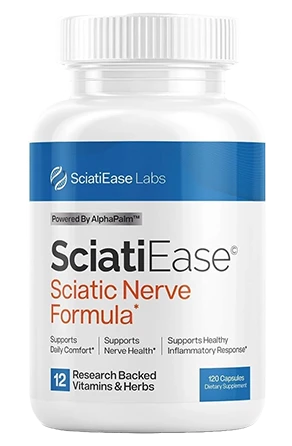
Take Control of Your Sciatica Today with Sciatiease
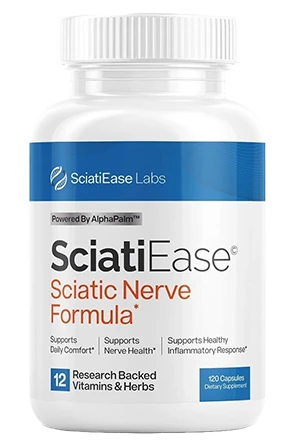
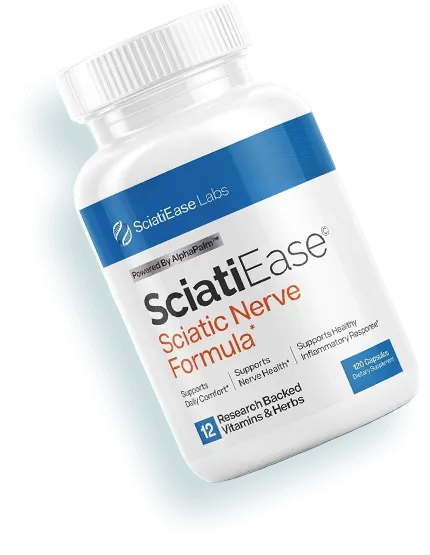
While lifestyle adjustments are fundamental, integrating a high-quality natural supplement can provide an extra layer of support for persistent sciatica and lower back pain. Sciatiease offers a unique blend of natural ingredients designed to support nerve health, reduce inflammation, and ease discomfort, empowering you to live life on your terms. Our formula is crafted to work synergistically with your body’s natural processes, providing targeted relief where you need it most.
- ✓ Supports Healthy Nerve Function & Repair
- ✓ Reduces Inflammation & Soothes Discomfort
- ✓ Promotes Muscle Relaxation & Flexibility
- ✓ All-Natural Ingredients, No Harmful Chemicals
- ✓ Made in the USA in a GMP Certified Facility




Beyond the Basics: Advanced Tips for Daily Management
Once you've mastered the foundational lifestyle changes, consider these advanced strategies to further enhance your sciatica relief and prevention efforts.
Incorporating a regular practice of mindfulness and meditation can significantly alter your perception of pain. Chronic pain often creates a negative feedback loop, where stress exacerbates pain and vice-versa. Mindfulness techniques teach you to observe your pain without judgment, reducing its emotional impact and helping you to respond more calmly to discomfort. Even 10-15 minutes a day can make a difference in reducing overall stress levels and muscle tension, which are often contributors to sciatica flare-ups. This mental resilience is a powerful tool in your daily management toolkit.
Another advanced tip involves exploring therapeutic massage. While self-massage with a foam roller or tennis ball can offer temporary relief, professional therapeutic massage, especially from a therapist specializing in deep tissue or trigger point therapy, can target specific muscles that might be impinging on your sciatic nerve. The piriformis muscle, in particular, is a common culprit in piriformis syndrome, a condition that mimics sciatica. Regular massage can release muscle tension, improve circulation, and reduce nerve compression. Discuss with your healthcare provider if therapeutic massage is appropriate for your specific condition.
Finally, consider the benefits of a standing desk or frequent movement breaks. For those with desk jobs, prolonged sitting is a known risk factor for lower back pain and sciatica. A standing desk can help vary your posture throughout the day, reducing sustained pressure on your spinal discs. Even without a standing desk, setting a timer to get up and move every 30-60 minutes – whether it's a short walk, some gentle stretches, or just standing for a few minutes – can prevent stiffness and improve circulation to your lower back. These small, consistent changes can collectively lead to substantial long-term benefits for your spinal health and sciatica management.
💡 Key Takeaway
Advanced strategies like mindfulness, therapeutic massage, and integrating more movement into your workday can provide significant additional relief, transforming your daily sciatica management from reactive to proactive.
Real Stories of Relief: Sciatiease User Experiences
"For years, sciatica made even simple walks a nightmare. After incorporating Sciatiease into my daily routine, alongside my stretching, the improvement is incredible. The nagging ache is largely gone, and I can finally enjoy my evenings without constant discomfort. It feels like I've got my life back."
"I was skeptical about supplements, but my doctor suggested exploring natural options. Sciatiease stood out, and I'm so glad I tried it. The constant burning sensation down my leg has significantly diminished. It's not an overnight miracle, but with consistent use, I've noticed a profound difference in my daily pain levels and overall mobility. I highly recommend it."
"Finding relief for my lower back pain and sciatica was a constant struggle. Sciatiease, combined with my physical therapy exercises, has been a game-changer. I feel less stiff in the mornings, and the sharp pains are much less frequent. It's given me the confidence to stay active and manage my condition effectively. Fantastic product!" You can read more testimonials and real results on our sciatiease-reviews-real-results.html page.
Frequently Asked Questions
What is sciatica and how does it affect daily life?
+Sciatica refers to pain radiating along the path of the sciatic nerve, which branches from your lower back through your hips and buttocks and down each leg. It typically affects only one side of your body. It can manifest as a mild ache, sharp burning pain, or excruciating discomfort that makes sitting, walking, or even standing difficult, significantly impacting daily activities and quality of life.
Can lifestyle changes really help manage sciatica pain?
+Absolutely. While severe cases may require medical intervention, a holistic approach involving consistent lifestyle adjustments is often highly effective in reducing sciatica symptoms and preventing flare-ups. This includes targeted exercises, maintaining good posture, dietary considerations, stress management, and adequate sleep.
What kind of exercises are safe for sciatica?
+Gentle, low-impact exercises are crucial. These include stretching for flexibility (like knee-to-chest, piriformis stretch), strengthening exercises for core and back muscles (pelvic tilts, bird-dog), and aerobic activities like walking or swimming. It's vital to avoid exercises that exacerbate pain and to consult a physical therapist or doctor for a personalized plan.
How does diet impact sciatica and nerve health?
+A balanced, anti-inflammatory diet can significantly support nerve health and reduce inflammation, which is often a contributing factor to sciatica. Focus on foods rich in omega-3 fatty acids, antioxidants, magnesium, and B vitamins. Avoiding processed foods, excessive sugar, and inflammatory oils can also help mitigate symptoms.
How can Sciatiease support my daily sciatica management?
+Sciatiease is formulated with a blend of natural ingredients known for their anti-inflammatory, nerve-supportive, and pain-relieving properties. Ingredients like Alpha-Lipoic Acid, Turmeric, and Magnesium work synergistically to address underlying issues, complement your lifestyle changes, and provide natural relief from sciatica discomfort, helping you maintain an active lifestyle.
Is Sciatiease safe to use long-term?
+Sciatiease is made with natural ingredients and is generally considered safe for long-term use when taken as directed. It's manufactured in a GMP-certified facility in the USA, ensuring high quality. However, it's always recommended to consult with your healthcare provider before starting any new supplement, especially if you have existing medical conditions or are taking other medications.
Explore More Sciatica Solutions