Are you tired of debilitating sciatica pain holding you back?
Sciatica, characterized by pain radiating along the sciatic nerve, can turn everyday activities into agonizing challenges. Whether it's a dull ache or a sharp, shooting pain, it's a clear signal that your body needs attention. Many believe rest is the only solution, but for most forms of sciatica, gentle, consistent movement is actually your best ally in finding sustainable relief and preventing future flare-ups.
This comprehensive guide, backed by neurological research and orthopedic insights, will walk you through a series of effective exercises and stretches specifically designed to alleviate sciatic nerve pain, improve flexibility, and strengthen the core muscles that support your spine. We'll also explore how a holistic approach, including natural support, can amplify your healing journey.
Understanding Sciatica: More Than Just Back Pain
Before diving into relief strategies, it's crucial to understand what sciatica truly is and why it manifests.
Sciatica is not a condition itself, but rather a symptom of an underlying problem affecting the sciatic nerve. This nerve, the longest and thickest in the human body, originates in the lower back, travels through the buttocks, and extends down the back of each leg, ending in the feet. When this nerve becomes compressed, irritated, or inflamed, it can lead to a characteristic set of symptoms known as sciatica.
Common causes of sciatica include a herniated or slipped disk in the lumbar spine, which can press directly on the nerve root. Other culprits include spinal stenosis, a narrowing of the spinal canal that puts pressure on the spinal cord and nerves; piriformis syndrome, where the piriformis muscle in the buttock spasms and irritates the sciatic nerve; and, less commonly, tumors or nerve damage from diabetes. Understanding the root cause is often the first step in determining the most effective treatment plan, which frequently involves targeted exercises.
The pain associated with sciatica can vary widely, from a mild ache to a sharp, burning sensation or excruciating discomfort. It often worsens with prolonged sitting, standing, or coughing. Accompanying symptoms may include numbness, tingling, or muscle weakness in the affected leg or foot. It’s important to note that while the pain can be severe, most cases of sciatica resolve with conservative treatments, including physical therapy and specific exercises, making them a cornerstone of recovery.
💡 Key Takeaway
Sciatica is nerve pain, not just back pain. It results from sciatic nerve compression, often due to a herniated disc or piriformis syndrome. Understanding the cause is vital, and targeted exercises are a primary non-surgical solution for relief and recovery.
Why Movement is Your Best Medicine for Sciatica
While the immediate instinct might be to rest when experiencing pain, prolonged inactivity can actually worsen sciatica symptoms.
Reduces Inflammation
Gentle movements increase blood flow to the affected area, which helps to flush out inflammatory substances and bring in healing nutrients. This natural anti-inflammatory process can significantly reduce nerve irritation and pain.
Decompresses the Nerve
Specific stretches and exercises can create space around the sciatic nerve, relieving the pressure that is often the primary cause of pain. This decompression allows the nerve to heal and function properly.
Strengthens Supporting Muscles
A strong core, glutes, and back muscles provide better support for your spine, reducing the load on your discs and preventing future nerve compression. Strengthening exercises are crucial for long-term prevention.
Improves Flexibility and Mobility
Tight muscles, especially in the hips and glutes (like the piriformis), can exacerbate sciatica. Regular stretching improves flexibility, releasing tension and allowing for a greater range of motion without pain.
Enhances Nerve Gliding
Nerves need to move freely within their surrounding tissues. Nerve gliding exercises, often called nerve flossing, help to improve the mobility of the sciatic nerve, preventing it from getting "stuck" or irritated.
Boosts Mood and Reduces Stress
Chronic pain can take a significant toll on mental health. Engaging in physical activity releases endorphins, natural mood elevators, which can help manage pain perception and reduce the stress associated with sciatica.
General Principles for Effective Sciatica Exercises
Before you begin, remember these foundational guidelines to ensure your exercises are safe and beneficial.
1. Consult Your Doctor or Physical Therapist: Always get professional advice before starting any new exercise program, especially if you have an underlying medical condition or acute pain. They can help diagnose the specific cause of your sciatica and recommend tailored exercises.
2. Listen to Your Body: Pain is your body's way of telling you something is wrong. Never push through sharp, shooting, or increasing pain. A mild stretch or discomfort is okay, but intense pain is a red flag. If an exercise aggravates your symptoms, stop immediately.
3. Start Slowly and Progress Gradually: Begin with a few repetitions and holds for shorter durations. As your flexibility and strength improve, you can gradually increase reps, sets, and hold times. Consistency over intensity is key.
4. Focus on Proper Form: Incorrect form can do more harm than good. If unsure, watch instructional videos or seek guidance from a physical therapist. Quality of movement always trumps quantity.
5. Warm-Up and Cool-Down: Always begin with a gentle warm-up, such as a few minutes of light walking or marching in place, to prepare your muscles. End with a cool-down, including gentle static stretches.
6. Breathe Deeply: Proper breathing helps relax your muscles and can deepen your stretches. Exhale as you deepen a stretch and inhale during the release.
By adhering to these principles, you can maximize the benefits of your exercise routine and minimize the risk of further injury.
Key Stretches for Sciatica Relief
These stretches are designed to target the muscles that often contribute to sciatic nerve compression, providing immediate and long-term relief.
Knee-to-Chest Stretch
How to: Lie on your back with knees bent and feet flat. Gently pull one knee towards your chest, holding behind your thigh or on top of your knee. Hold for 20-30 seconds, then repeat with the other leg.
Benefits: Stretches the lower back and glutes, helping to decompress the spine and alleviate nerve pressure.
Piriformis Stretch (Supine)
How to: Lie on your back, bend both knees, and cross one ankle over the opposite knee (figure-four position). Gently pull the bottom knee towards your chest until you feel a stretch in your glute and hip. Hold for 20-30 seconds per side.
Benefits: Targets the piriformis muscle, which can compress the sciatic nerve when tight.
Seated Piriformis Stretch
How to: Sit on a chair with both feet flat on the floor. Cross one ankle over the opposite knee. Lean forward gently, keeping your back straight, until you feel a stretch in the glute of the crossed leg. Hold for 20-30 seconds per side.
Benefits: A convenient way to stretch the piriformis, ideal for office workers or travel.
Sciatic Nerve Glide (Nerve Floss)
How to: Sit on a chair, back straight, feet flat. Extend one leg straight out, flexing your foot so toes point up. Gently lean your head back as you extend the leg, and then bring your head forward as you bend the knee. Repeat 10-15 times per side.
Benefits: Helps the sciatic nerve move more freely through its pathway, reducing irritation and adhesion.
Pelvic Tilt
How to: Lie on your back with knees bent, feet flat. Flatten your lower back against the floor by tightening your abdominal muscles and gently tilting your pelvis upwards. Hold for 5-10 seconds, then release. Repeat 10-15 times.
Benefits: Strengthens core muscles and improves lumbar spine mobility, providing foundational support.
Cat-Cow Stretch
How to: Start on hands and knees. Inhale, drop your belly towards the floor, lift your chest and tailbone (Cow pose). Exhale, round your spine towards the ceiling, tuck your chin to your chest (Cat pose). Flow between poses 10-15 times.
Benefits: Improves spinal flexibility and gently mobilizes the lower back, reducing stiffness.
Child's Pose
How to: Kneel on the floor, big toes touching, knees wide. Sit your hips back towards your heels and extend your arms forward, resting your forehead on the mat. Hold for 30-60 seconds.
Benefits: A gentle, restorative stretch that decompresses the spine and calms the nervous system.
Strengthening Exercises for Sciatica Prevention
While stretches provide immediate relief, strengthening your core and gluteal muscles is vital for long-term sciatica prevention and spinal stability.
A strong core acts like a natural corset for your spine, providing stability and reducing stress on the lumbar discs and sciatic nerve. Weak gluteal muscles can also lead to imbalances and increased strain on the lower back. Incorporating these strengthening exercises into your routine will help build resilience and prevent future flare-ups.
1. Bird-Dog: Start on hands and knees, keeping your back straight. Extend your right arm forward and your left leg straight back simultaneously, maintaining a stable core. Hold for a few seconds, then return to the start. Repeat 10-15 times per side. This exercise strengthens the core and improves balance.
2. Bridge: Lie on your back with knees bent and feet flat on the floor, hip-width apart. Engage your glutes and lift your hips off the floor until your body forms a straight line from shoulders to knees. Hold for 5-10 seconds, then slowly lower. Repeat 10-15 times. Bridges strengthen the glutes and hamstrings, supporting the lower back.
3. Clamshell: Lie on your side with knees bent and stacked, feet together. Keep your hips stable and lift your top knee towards the ceiling, keeping your feet touching. Slowly lower. Repeat 10-15 times per side. This exercise targets the gluteus medius, a key muscle for hip stability.
4. Superman: Lie on your stomach with arms extended forward and legs straight. Gently lift your arms, chest, and legs off the floor simultaneously, engaging your back and glute muscles. Hold for a few seconds, then slowly lower. Repeat 10-15 times. This strengthens the erector spinae muscles along the spine.
Remember to perform these exercises with control and focus on engaging the correct muscles. Avoid any movements that exacerbate your pain. Consistency with both stretching and strengthening will yield the best results for sustained sciatica relief.
When to Seek Medical Attention and Red Flags
While many cases of sciatica respond well to conservative treatments like exercise, it's crucial to recognize when professional medical intervention is necessary.
Sudden, Severe Pain
If you experience an abrupt onset of excruciating pain in your lower back, leg, or buttock, especially after an injury or fall, it's important to consult a doctor immediately to rule out serious conditions.
Progressive Weakness or Numbness
If the weakness or numbness in your affected leg or foot begins to worsen, or if you develop new weakness that impairs your ability to walk or lift your foot (foot drop), seek urgent medical advice.
Bowel or Bladder Dysfunction
This is a critical red flag. If you experience new onset of difficulty controlling your bladder or bowels, or loss of sensation in your groin area (saddle anesthesia), this could indicate a rare but serious condition called cauda equina syndrome, requiring emergency medical care.
Pain Following Trauma
If your sciatica symptoms develop after a significant injury, such as a car accident or a fall, it's important to be evaluated by a medical professional to check for fractures or other spinal damage.
No Improvement with Conservative Care
If your sciatica pain persists or worsens after several weeks of consistent self-care, rest, and targeted exercises, it's time to revisit your doctor for further evaluation and potentially more aggressive treatment options.
Fever, Chills, or Unexplained Weight Loss
These symptoms, especially when accompanying back pain, could indicate a more serious underlying condition such as an infection or tumor, and warrant immediate medical attention.
Always prioritize your health and well-being. When in doubt, it's always best to err on the side of caution and consult a healthcare professional. They can provide an accurate diagnosis and guide you toward the most appropriate treatment plan.
Beyond Exercise: A Holistic Approach to Sciatica Relief
While exercises are foundational, a truly effective sciatica management plan often involves a multi-faceted approach.
Addressing sciatica isn't just about stretches and strengthening; it's about creating an environment in your body and lifestyle that supports nerve health and reduces inflammation. Consider these complementary strategies:
Posture and Ergonomics:
Poor posture, especially prolonged sitting or standing, can exacerbate sciatica. Ensure your workstation is ergonomically sound. Use a supportive chair, keep your feet flat on the floor, and maintain a neutral spine. Take regular breaks to stand and move around. When lifting, bend your knees and keep your back straight.
Heat and Cold Therapy:
Applying ice packs to the affected area for 15-20 minutes several times a day can help reduce inflammation, especially during acute flare-ups. Once the initial inflammation subsides, switching to heat therapy (heating pads, warm baths) can help relax tight muscles and increase blood flow for healing.
Mindfulness and Stress Reduction:
Chronic pain can be mentally and emotionally draining. Stress can also heighten pain perception and increase muscle tension. Practices like meditation, deep breathing exercises, and yoga (modified for sciatica) can help manage stress and improve your body's pain response.
Anti-Inflammatory Diet:
What you eat can significantly impact inflammation levels in your body. Incorporate anti-inflammatory foods like fruits, vegetables, lean proteins, and omega-3 fatty acids (found in fish, flaxseeds) into your diet. Limit processed foods, refined sugars, and excessive red meat.
Natural Supplements for Nerve Health:
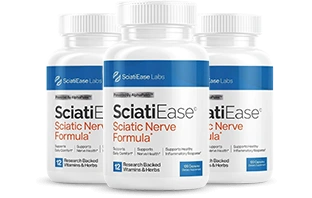
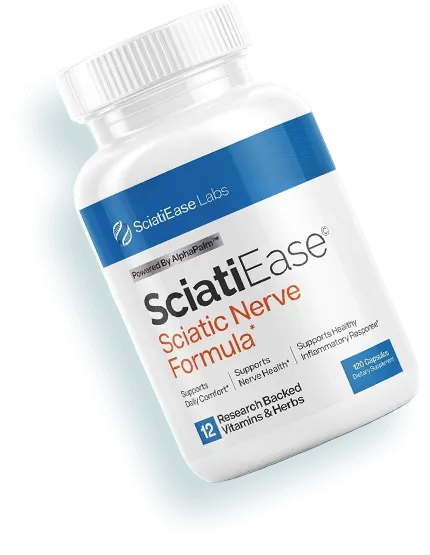
Certain natural compounds have shown promise in supporting nerve health and reducing inflammation. Ingredients like Palmitoylethanolamide (PEA), B vitamins, and magnesium are often explored. For a deeper dive into how these ingredients can help, you might find our article on Palmitoylethanolamide (PEA) for Sciatica particularly insightful. Products like Sciatiease are designed to provide targeted nutritional support for nerve comfort and overall well-being, working synergistically with your exercise routine.
For more natural approaches to nerve health, explore our detailed guide on Natural Nerve Health Relief Remedies. This holistic perspective ensures you're addressing sciatica from every angle, not just symptom management, but true healing and prevention.
Remember, consistency across all these areas—exercise, posture, diet, and potentially supplements—is what leads to the most profound and lasting relief. If you're considering a supplement, our article on the Best Supplement for Sciatica Nerve Pain offers further guidance.
Understanding Sciatiease: Natural Support for Nerve Comfort
As part of a holistic approach to managing sciatica, many individuals seek natural supplements to complement their exercise and lifestyle changes. Sciatiease is formulated with a blend of ingredients known for their potential to support nerve health and reduce discomfort.
Palmitoylethanolamide (PEA)
Role: A naturally occurring fatty acid amide that has been extensively studied for its anti-inflammatory and analgesic properties. PEA works by modulating endocannabinoid system receptors, helping to calm overactive nerve responses and reduce pain signaling. It supports cellular health and reduces neuroinflammation, which is often a component of sciatica.
Magnesium
Role: An essential mineral involved in over 300 biochemical reactions in the body, including muscle and nerve function. Magnesium helps relax muscles, which can be beneficial for tight muscles contributing to sciatica, such as the piriformis. It also plays a role in nerve signal transmission and can help reduce muscle spasms and cramps.
B Vitamins (B1, B6, B12)
Role: A complex of vitamins crucial for nerve health and function. Vitamin B1 (Thiamine) is vital for nerve energy production. Vitamin B6 (Pyridoxine) helps in neurotransmitter synthesis and nerve signal transmission. Vitamin B12 (Cobalamin) is essential for the maintenance of the myelin sheath, which protects nerves, and for nerve regeneration. Deficiencies can exacerbate nerve pain.
Alpha-Lipoic Acid (ALA)
Role: A powerful antioxidant that helps protect nerve cells from oxidative damage and inflammation. ALA improves nerve conduction velocity and blood flow to nerves, which can be particularly beneficial for nerves under stress or experiencing compression, as in sciatica.
Turmeric (Curcumin)
Role: A well-known anti-inflammatory agent. Curcumin, the active compound in turmeric, has been shown to reduce inflammatory markers in the body, which can help alleviate the inflammation around the sciatic nerve and surrounding tissues, thereby reducing pain.
Boswellia Serrata Extract
Role: Derived from the frankincense tree, Boswellia is valued for its potent anti-inflammatory properties. It works by inhibiting specific enzymes that promote inflammation, offering a natural way to reduce swelling and discomfort associated with nerve irritation.
Ginger Root Extract
Role: Another powerful natural anti-inflammatory and analgesic. Ginger contains bioactive compounds that can help reduce pain and inflammation, providing a soothing effect on irritated nerves and muscles.
These ingredients are carefully selected to provide comprehensive support for nerve health, helping to manage discomfort and promote overall well-being when combined with an active lifestyle and appropriate exercises.
Ready to Experience Comprehensive Sciatica Relief?
While exercises are crucial, sometimes your body needs extra support to heal and recover. Sciatiease offers a potent blend of natural ingredients designed to complement your active efforts and provide holistic relief from nerve pain and discomfort.
- ✓ Supports Healthy Nerve Function
- ✓ Reduces Inflammation & Discomfort
- ✓ Promotes Muscle Relaxation
- ✓ All-Natural, Non-GMO Ingredients
- ✓ Made in the USA, GMP Certified




Hear From Those Who Found Relief
"I've struggled with sciatica for years, and while exercises helped, Sciatiease truly took my relief to the next level. The constant ache is finally manageable, and I can move more freely without fear of shooting pain. A game-changer!"
"Combining my PT exercises with Sciatiease has made a huge difference. I feel less stiff in the mornings and can even enjoy my walks again. It's a fantastic complement to my routine for managing nerve discomfort."
"I was skeptical, but after trying various remedies, Sciatiease provided noticeable relief for my piriformis-related sciatica. My physical therapist even commented on my improved flexibility. Highly recommend adding it to your regimen."
Frequently Asked Questions
What is sciatica and what causes it?
+Sciatica refers to pain that radiates along the path of the sciatic nerve, which branches from your lower back through your hips and buttocks and down each leg. It typically affects only one side of your body. Common causes include a herniated disk, bone spur on the spine, or narrowing of the spine (spinal stenosis) compressing part of the nerve.
Are exercises truly effective for sciatica relief?
+Yes, targeted exercises and stretches are highly effective for managing and relieving sciatica pain for most people. They help to decompress the nerve, strengthen supporting muscles, improve flexibility, and reduce inflammation. However, it's crucial to perform them correctly and consistently, and to consult with a healthcare professional before starting any new regimen.
How often should I perform sciatica exercises and stretches?
+For best results, most experts recommend performing sciatica exercises and stretches daily, or at least 3-5 times a week. Consistency is key. Start with a few repetitions and gradually increase as your pain allows. Listen to your body and never push into pain.
What types of exercises should I avoid if I have sciatica?
+While individual tolerance varies, generally avoid exercises that involve heavy lifting, twisting, high-impact activities, or deep forward bends that put excessive strain on your lower back. If an exercise increases your pain or causes numbness/weakness, stop immediately and consult a doctor or physical therapist.
Can natural supplements like Sciatiease help with sciatica alongside exercises?
+Many individuals find that natural supplements can complement their exercise routine by supporting nerve health and managing discomfort. Sciatiease, for example, is formulated with ingredients known for their anti-inflammatory and nerve-supporting properties, such as PEA. While not a replacement for medical treatment or physical therapy, it can be a valuable part of a holistic approach to managing sciatica symptoms.
When should I seek professional medical help for my sciatica?
+You should seek immediate medical attention if you experience sudden, severe pain in your lower back or leg, muscle weakness or numbness in the affected leg, or bowel or bladder dysfunction. If your pain doesn't improve with self-care and exercises after a few weeks, or if it worsens, consult your doctor or a physical therapist for a proper diagnosis and treatment plan.
Related Articles