Could a simple nutrient deficiency be worsening your back pain or sciatica?
Chronic lower back pain and sciatica are debilitating conditions affecting millions worldwide, significantly impacting quality of life. While many factors contribute to these issues, from disc herniations to muscle imbalances, one crucial element often goes unnoticed: the role of Vitamin D.
This "sunshine vitamin" is vital for far more than just strong bones; it plays a profound role in nerve health, muscle function, and inflammation regulation, all of which are directly linked to the severity and persistence of back pain and sciatica.
The "Sunshine Vitamin": More Than Just Bone Health
Vitamin D, often celebrated for its critical role in calcium absorption and bone mineralization, is a fat-soluble vitamin that acts more like a hormone in the body. It's unique because our bodies can synthesize it when skin is exposed to sunlight, hence its nickname, the "sunshine vitamin."
Beyond its well-known contributions to skeletal health, Vitamin D has receptors in nearly every tissue and cell type, including those in the brain, nerves, muscles, and immune system. This widespread presence underscores its diverse functions, which extend to immune modulation, cellular growth, and neuromuscular control. When we consider conditions like sciatica and lower back pain, which often involve complex interactions between nerves, muscles, bones, and inflammation, the multifaceted role of Vitamin D becomes incredibly significant. Understanding its broader impact is key to appreciating why a deficiency can exacerbate or even contribute to chronic pain conditions affecting the spine.
💡 Key Takeaway
Vitamin D is a crucial nutrient and hormone-like substance vital for bone health, muscle function, nerve integrity, and immune regulation, all of which are foundational to preventing and managing lower back pain and sciatica.
Vitamin D's Direct Impact on Spine Health and Back Pain
The intricate relationship between Vitamin D and spinal health goes far beyond just preventing osteoporosis. Its influence permeates several physiological systems directly relevant to the development and persistence of back pain and sciatica.
Bone Density and Vertebral Strength
Vitamin D is indispensable for the absorption of calcium and phosphate in the gut, minerals essential for building and maintaining strong bones. A deficiency can lead to osteomalacia in adults, a condition characterized by soft, weak bones, and osteoporosis, which involves reduced bone density. Weakened vertebrae are more susceptible to microfractures, stress fractures, and degenerative changes, all of which can be direct sources of chronic lower back pain. Maintaining optimal Vitamin D levels helps ensure the structural integrity of the spine, providing a stable framework that supports the body's weight and protects the spinal cord.
Muscle Function and Pain Regulation
Muscle weakness and chronic muscle pain are hallmark symptoms of Vitamin D deficiency, often manifesting as myalgia and generalized body aches. Vitamin D receptors are present in muscle cells, where they play a role in muscle contraction, growth, and repair. Insufficient Vitamin D can impair muscle strength, leading to poor posture, increased strain on the spine, and reduced ability to support the back. This can exacerbate existing back pain and contribute to the development of new issues. Furthermore, Vitamin D influences pain pathways, with studies suggesting that adequate levels can lower pain thresholds and improve the body's natural pain-modulating systems, making it a critical factor in managing chronic pain conditions.
Anti-inflammatory and Immune Modulation
Inflammation is a primary driver of pain in many spinal conditions, including sciatica, disc herniations, and degenerative disc disease. Vitamin D possesses powerful anti-inflammatory properties, capable of modulating the immune response and reducing the production of pro-inflammatory cytokines while increasing anti-inflammatory ones. By dampening systemic inflammation, Vitamin D can help alleviate the swelling and irritation around nerves and spinal structures, which are common culprits in sciatica and lower back pain. This immunomodulatory effect is crucial for both acute injury recovery and the long-term management of chronic inflammatory pain.
Nerve Health and Neuropathic Pain
Sciatica is fundamentally a neuropathic pain condition, involving irritation or compression of the sciatic nerve. Emerging research suggests that Vitamin D plays a role in nerve health and regeneration. It influences nerve growth factors and can protect nerve cells from damage. Low Vitamin D levels have been linked to an increased risk of neuropathic pain and may impair nerve repair processes. For individuals suffering from sciatica, ensuring sufficient Vitamin D could potentially support nerve healing, reduce nerve sensitivity, and mitigate the severity of radiating pain. This protective effect on neural tissue is a significant, yet often overlooked, aspect of its contribution to spinal health.
Mental Health and Pain Perception
Chronic pain, especially lower back pain and sciatica, often comes with a significant psychological burden, including depression and anxiety. Vitamin D receptors are found in areas of the brain associated with mood regulation. Studies have shown a correlation between Vitamin D deficiency and increased rates of depression, which can, in turn, amplify pain perception and reduce an individual's coping mechanisms. By supporting overall mental well-being, adequate Vitamin D levels can indirectly help manage the psychological components of chronic back pain, leading to improved quality of life and better pain outcomes.
Recognizing and Addressing Vitamin D Deficiency
Despite its critical importance, Vitamin D deficiency is remarkably common, affecting a significant portion of the global population. This widespread deficiency is often due to insufficient sun exposure, dietary habits, and various lifestyle factors.
Recognizing the symptoms of low Vitamin D is the first step toward addressing the issue. Common signs include persistent fatigue, general muscle weakness, bone pain, frequent infections, and mood changes. For individuals with back pain or sciatica, these symptoms might be more pronounced or could be exacerbating their existing discomfort. If you suspect a deficiency, a simple blood test (25-hydroxyvitamin D test) ordered by your doctor can confirm your Vitamin D levels. Optimal levels are generally considered to be between 30-60 ng/mL, though some experts advocate for levels closer to 50 ng/mL for chronic pain management.
Once a deficiency is identified, several strategies can help restore optimal levels:
- Sun Exposure: Regular, safe sun exposure (10-30 minutes, 2-3 times per week, depending on skin type and location) allows your body to synthesize Vitamin D naturally. However, factors like sunscreen use, time of day, season, and latitude can limit this.
- Dietary Sources: Fatty fish (salmon, mackerel, tuna), cod liver oil, and fortified foods (milk, cereals, orange juice) contain Vitamin D, but it's often challenging to meet daily requirements through diet alone.
- Supplementation: For many, especially those with diagnosed deficiency or limited sun exposure, Vitamin D supplements are the most effective way to achieve and maintain adequate levels. Doses can vary widely, from 1,000 IU to 5,000 IU or more daily, depending on the severity of deficiency and individual needs. It's crucial to consult a healthcare professional to determine the appropriate dosage, as excessive intake can be harmful.
Addressing Vitamin D deficiency is a proactive step that can significantly contribute to overall spinal health and potentially reduce the severity of back pain and sciatica. It should be considered an integral part of a comprehensive management plan, working in conjunction with other therapies and lifestyle adjustments.
The Synergy of Vitamin D and Other Nutrients for Spine Health
While Vitamin D is a powerhouse for spinal health, it rarely works in isolation. Its effectiveness is often amplified when combined with other essential nutrients that play complementary roles in bone, muscle, and nerve function.
One of the most critical partners for Vitamin D is Magnesium. This mineral is required for the activation of Vitamin D in the body; without sufficient magnesium, even high doses of Vitamin D may not be fully utilized. Magnesium also plays a direct role in muscle relaxation and nerve transmission, making it vital for alleviating muscle spasms and supporting overall neuromuscular health in the spine. Similarly, Vitamin K2 is crucial for directing calcium, absorbed thanks to Vitamin D, specifically to the bones and teeth, preventing its accumulation in soft tissues like arteries and cartilage. This ensures that calcium strengthens the skeletal structure where it's needed most, rather than contributing to calcification in areas that could worsen spinal stiffness or pain.
Beyond these, various B vitamins (B6, B9/folate, B12) are indispensable for nerve health and repair. They play a role in myelin sheath formation (the protective layer around nerves) and neurotransmitter synthesis, which can be particularly beneficial for managing neuropathic pain conditions like sciatica. Omega-3 fatty acids are well-known for their potent anti-inflammatory effects, which can work synergistically with Vitamin D to reduce systemic inflammation contributing to back pain. Antioxidants like Alpha Lipoic Acid also offer neuroprotective benefits, helping to shield nerves from oxidative damage. A holistic approach to spine health therefore considers a spectrum of nutrients working in harmony, creating a more resilient and pain-free back.
Holistic Approaches to Managing Sciatica and Back Pain
While Vitamin D is a vital piece of the puzzle, a truly effective strategy for managing sciatica and lower back pain involves a multi-pronged approach that addresses various contributing factors.
Regular Exercise and Physical Therapy
Engaging in targeted exercises designed to strengthen core muscles, improve flexibility, and correct postural imbalances is fundamental. Physical therapy can provide personalized regimens to decompress nerves, improve spinal alignment, and build endurance. Activities like walking, swimming, and yoga are often recommended. Consistency is key to long-term relief and prevention of recurrence.
Anti-Inflammatory Diet
Adopting a diet rich in anti-inflammatory foods can significantly reduce systemic inflammation, which often exacerbates back pain. Focus on fresh fruits, vegetables, lean proteins, and healthy fats while limiting processed foods, sugar, and unhealthy oils. Such a diet complements the anti-inflammatory effects of Vitamin D and other beneficial supplements.
Stress Management Techniques
Chronic stress can lead to muscle tension, poor posture, and increased pain perception, thereby worsening back pain and sciatica. Incorporating stress-reducing practices like meditation, deep breathing exercises, mindfulness, or even hobbies can be incredibly beneficial. Exploring how stress can impact sciatica can provide deeper insights into this connection.
Ergonomic Adjustments
Ensuring your workspace, sleeping environment, and daily habits support proper spinal alignment is crucial. This includes using an ergonomic chair, maintaining good posture while sitting and standing, and sleeping on a supportive mattress. Small adjustments can make a big difference in reducing strain on your back and preventing flare-ups.
Targeted Supplementation
Beyond Vitamin D, certain natural supplements can provide targeted support for nerve health and pain relief. Ingredients like Turmeric, Boswellia, Alpha Lipoic Acid, and B vitamins are known for their anti-inflammatory, antioxidant, and neuroprotective properties. These can work synergistically to alleviate symptoms and promote healing. For seniors, understanding specific supplement needs for sciatica is especially important.
Temperature Therapy
Applying heat or cold packs can provide temporary relief from back pain and muscle spasms. Heat therapy can relax tense muscles and improve blood flow, while cold therapy can reduce inflammation and numb the painful area. Knowing the right time to use heat vs. cold therapy for sciatica can optimize relief.
How Sciatiease Supports Spinal and Nerve Health
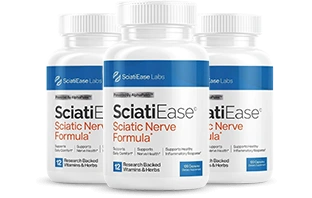
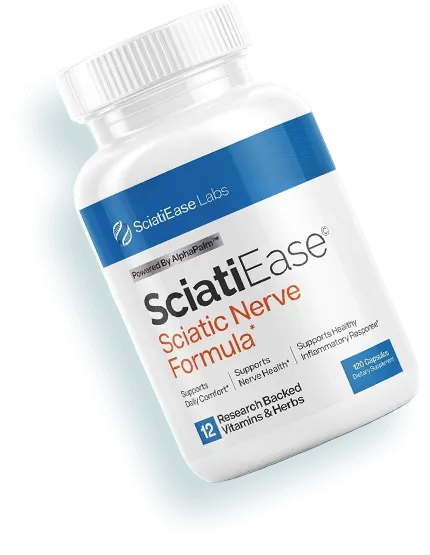
While maintaining optimal Vitamin D levels is foundational, many individuals require additional support to manage the complex symptoms of sciatica and lower back pain. Sciatiease is formulated to complement these foundational efforts, offering a blend of natural ingredients specifically chosen for their ability to target nerve inflammation, discomfort, and overall spinal wellness.
Sciatiease is not a replacement for medical treatment or a balanced diet, but rather a powerful adjunct designed to work synergistically with your body's natural healing processes. Its ingredients are carefully selected to address the multifaceted nature of sciatica and back pain, focusing on reducing inflammation, protecting nerve cells, improving circulation, and alleviating muscle discomfort. By providing comprehensive support, Sciatiease aims to enhance your body's ability to cope with pain and promote a healthier, more comfortable spine.
Key Ingredients in Sciatiease for Comprehensive Relief
Sciatiease harnesses the power of several well-researched natural compounds, each contributing to a holistic approach to nerve and back pain relief. These ingredients work together to reduce inflammation, protect nerve tissue, and support overall joint and muscle health.
Turmeric (Curcuma longa)
Role: A potent anti-inflammatory and antioxidant, curcumin (the active compound in turmeric) helps reduce systemic inflammation that contributes to nerve irritation and pain. It can alleviate discomfort associated with sciatica and lower back pain by modulating inflammatory pathways.
Boswellia Serrata Extract
Role: Known for its boswellic acids, this extract offers powerful anti-inflammatory properties, particularly beneficial for joint and connective tissue health. It can help reduce swelling and pain around spinal nerves and discs, providing significant relief from back pain.
Methylsulfonylmethane (MSM)
Role: An organic sulfur compound, MSM is vital for healthy connective tissues, joints, and muscles. It reduces inflammation, alleviates muscle spasms, and supports the regeneration of joint cartilage, contributing to spinal flexibility and pain reduction.
Alpha Lipoic Acid (ALA)
Role: A powerful antioxidant, ALA protects nerve cells from oxidative damage and improves nerve function. It's particularly beneficial for neuropathic pain conditions like sciatica, helping to reduce nerve pain and improve nerve signal transmission.
N-Acetyl Cysteine (NAC)
Role: NAC is a precursor to glutathione, the body's master antioxidant. It helps reduce oxidative stress and inflammation, supporting cellular health and potentially aiding in the recovery of damaged nerve tissue.
Guggul Extract (Commiphora wightii)
Role: Traditionally used in Ayurvedic medicine, Guggul is recognized for its anti-inflammatory effects. It helps manage pain and swelling associated with joint and muscle conditions, offering relief for chronic back discomfort.
Ginger Root Extract
Role: Ginger contains gingerols, compounds with potent anti-inflammatory and analgesic properties. It can help soothe muscle soreness, reduce inflammation, and alleviate pain, similar to how it's used for other inflammatory conditions.
Black Pepper Extract (Piperine)
Role: Piperine, the active compound in black pepper, significantly enhances the bioavailability of other nutrients, especially curcumin from turmeric. This ensures that the body can effectively absorb and utilize the beneficial compounds in Sciatiease for maximum impact.
Ready to Experience Targeted Relief for Sciatica & Back Pain?
Don't let chronic back pain or sciatica dictate your life. Sciatiease offers a powerful, natural solution designed to support nerve health, reduce inflammation, and alleviate discomfort, complementing your efforts to maintain optimal Vitamin D levels and overall spinal wellness.
- ✓ Supports healthy nerve function
- ✓ Reduces inflammation and swelling
- ✓ Alleviates muscle discomfort and spasms
- ✓ Promotes overall spinal health
- ✓ Made with 100% natural ingredients




What Our Customers Are Saying
"I've struggled with chronic sciatica for years, and while I knew about Vitamin D, Sciatiease truly added another layer of relief. The combination of ingredients seems to calm my nerve pain significantly. I feel more mobile and less reliant on pain meds."
"After my doctor suggested checking my Vitamin D, I started supplementing, but still had nagging lower back pain. Sciatiease was recommended by a friend, and I'm so glad I tried it. The inflammation has noticeably gone down, and my mornings are much less stiff. It's a game-changer."
"This product, combined with my Vitamin D regimen, has been incredibly effective. My sciatic pain used to be a constant companion, but now I have days where I barely notice it. The natural ingredients give me peace of mind, and the results speak for themselves."
Frequently Asked Questions
How does Vitamin D specifically impact sciatica and lower back pain?
+Vitamin D plays a crucial role in bone health, muscle function, and reducing inflammation. For sciatica and lower back pain, adequate Vitamin D levels support strong vertebrae, help maintain healthy nerve function, and can mitigate inflammatory responses that contribute to pain. Deficiency can weaken bones, exacerbate muscle pain, and heighten sensitivity to nerve compression.
What are common symptoms of Vitamin D deficiency related to back pain?
+Symptoms can be subtle but often include chronic lower back pain, muscle weakness, fatigue, bone pain, and increased susceptibility to fractures. In the context of sciatica, deficiency might worsen pain perception, slow recovery, or contribute to overall spinal discomfort.
Can taking Vitamin D supplements alone cure sciatica or back pain?
+While crucial for overall health and potentially alleviating symptoms, Vitamin D supplements alone are unlikely to "cure" sciatica or severe back pain. They are an important component of a comprehensive approach that should include proper diagnosis, physical therapy, exercise, and potentially other targeted supplements or medical interventions.
What is the recommended daily intake of Vitamin D for spine health?
+The recommended daily intake can vary based on age, health status, and sun exposure. Generally, adults need 600-800 IU (International Units) per day, but individuals with deficiency or specific conditions like chronic back pain might require higher doses, often between 1,000-4,000 IU. Always consult a healthcare professional to determine your specific needs and avoid excessive intake.
Are there other nutrients that work with Vitamin D to support spine and nerve health?
+Yes, Vitamin D works synergistically with several other nutrients. Magnesium is essential for Vitamin D activation and muscle function. Calcium is vital for bone density, and Vitamin K2 directs calcium to the bones, preventing its accumulation in soft tissues. B vitamins, particularly B6, B9, and B12, are crucial for nerve health and repair. Antioxidants like Alpha Lipoic Acid and anti-inflammatory compounds like Turmeric also support overall spinal well-being.
How does Sciatiease complement Vitamin D for lower back and sciatica relief?
+Sciatiease is formulated with a blend of natural ingredients known for their anti-inflammatory, antioxidant, and nerve-supporting properties. While Vitamin D addresses foundational bone and immune health, Sciatiease provides targeted relief for nerve pain, inflammation, and muscle discomfort associated with sciatica and lower back pain, creating a comprehensive approach to managing symptoms and promoting spinal wellness.
Related Articles