Are you trapped in a cycle where stress makes your sciatica worse, and your sciatica makes you more stressed?
For millions suffering from sciatica and chronic lower back pain, the physical discomfort is only part of the story. What many don't realize is the profound and often overlooked impact of psychological factors like stress and anxiety on their pain experience.
It's not just "all in your head"; there's a powerful, bidirectional relationship where mental tension can significantly amplify physical pain, creating a vicious stress-pain cycle that's difficult to break. Understanding this connection is the first step toward effective relief.
The Intricate Link Between Stress, Anxiety, and Sciatica
Sciatica is characterized by pain that radiates along the path of the sciatic nerve, which branches from your lower back through your hips and buttocks and down each leg. It most commonly occurs when a herniated disc, bone spur on the spine, or narrowing of the spine (spinal stenosis) compresses part of the nerve. While these are structural causes, the role of psychological stress in amplifying and prolonging the pain is often underestimated.
When you experience stress or anxiety, your body activates its "fight or flight" response. This ancient survival mechanism, while useful for immediate threats, becomes detrimental when chronically engaged. It floods your system with stress hormones like cortisol and adrenaline, leading to a cascade of physiological changes that can directly impact your experience of sciatica.
Understanding this link is crucial for anyone seeking comprehensive relief. It means that addressing your mental and emotional state is just as vital as physical treatments for your lower back and sciatic nerve. Ignoring the psychological component can leave you stuck in a cycle of persistent pain, even when physical issues seem to be managed.
💡 Key Takeaway
Stress and anxiety don't just add to your discomfort; they actively change your body's physiology, making you more susceptible to pain, increasing inflammation, and heightening your perception of sciatica symptoms. Addressing mental well-being is paramount for effective pain management.
Physiological Mechanisms: How Stress Worsens Sciatica
The mind-body connection is powerful, and stress can manifest physically in several ways that directly aggravate sciatica. Let's explore the key physiological responses:
Increased Muscle Tension
When stressed, your muscles naturally tense up as a protective reflex. For individuals with sciatica, this often means chronic tightness in the lower back, glutes, and hamstrings. The piriformis muscle, located deep in the buttock, is particularly notorious; when it tightens, it can compress the sciatic nerve, mimicking or worsening sciatica symptoms, a condition known as piriformis syndrome.
Heightened Inflammation
Chronic stress leads to elevated levels of cortisol, which paradoxically can lead to a dysregulated inflammatory response. While acute cortisol can suppress inflammation, long-term exposure can make the body less responsive, leading to systemic inflammation. This inflammation can directly irritate the sciatic nerve and surrounding tissues, intensifying pain and hindering healing. An anti-inflammatory diet and certain supplements can help mitigate this.
Altered Pain Perception (Central Sensitization)
Stress and anxiety can rewire your brain's pain pathways, making your nervous system more sensitive to pain signals. This phenomenon, known as central sensitization, means that even minor stimuli can be perceived as intensely painful, and existing pain can feel much worse. Your brain essentially becomes "on high alert" for pain, creating a feedback loop.
Reduced Blood Flow
During stress, blood vessels constrict, particularly in areas not deemed essential for "fight or flight." This reduced blood flow to muscles and nerves can deprive them of vital oxygen and nutrients, leading to increased stiffness, pain, and slower recovery. The sciatic nerve, being the body's longest nerve, requires adequate circulation to function optimally.
Impaired Healing and Recovery
The constant state of physiological arousal from chronic stress diverts energy away from restorative processes. This can slow down tissue repair, weaken the immune system, and make it harder for your body to heal from the underlying causes of sciatica, whether it's a disc issue or muscle strain. Adequate rest and proper nutrition are crucial for healing.
The Psychological Impact: How Anxiety Fuels the Sciatica Cycle
Beyond the direct physiological effects, stress and anxiety also exert a significant psychological toll that can perpetuate and intensify sciatica. This mental burden creates a complex interplay that can make recovery feel almost impossible.
One common psychological response is catastrophizing, where individuals tend to ruminate on their pain, assume the worst possible outcome, and feel helpless. This mindset significantly amplifies pain perception and can lead to a vicious cycle of fear, anxiety, and increased physical tension.
Another factor is fear-avoidance behavior. Fearing that movement will worsen their pain, individuals with sciatica may become inactive. While rest is sometimes necessary, prolonged inactivity leads to muscle deconditioning, stiffness, and further exacerbation of pain, creating a self-fulfilling prophecy. This can also lead to social isolation and depression, further worsening the overall quality of life.
Sleep disruption is also a major player. Anxiety often makes it difficult to fall asleep or stay asleep. Poor sleep quality prevents the body from undergoing essential restorative processes, including tissue repair and pain modulation. Lack of sleep also lowers your pain threshold, making your sciatica feel even more excruciating the next day.
Finally, the constant battle with chronic pain and the associated stress can lead to or worsen conditions like depression and generalized anxiety disorder. These mental health challenges, in turn, make it harder to cope with pain, adhere to treatment plans, and engage in activities that could improve your condition. It's a challenging feedback loop that requires a multi-faceted approach.
Breaking the Cycle: Effective Strategies to Manage Stress and Sciatica
Successfully managing sciatica when stress and anxiety are factors requires a holistic approach that addresses both the physical and psychological dimensions of your pain. Here are proven strategies to help you break free from the stress-pain cycle:
Mindfulness and Meditation
Techniques like mindfulness-based stress reduction (MBSR) can teach you to observe your thoughts and sensations without judgment, reducing their power over your pain experience. Daily meditation, even for just 10-15 minutes, can lower stress hormones, calm the nervous system, and improve pain tolerance.
Regular, Gentle Exercise
While counterintuitive for some, appropriate physical activity is crucial. Gentle exercises like walking, swimming, yoga, or specific stretches recommended by a physical therapist can strengthen core muscles, improve flexibility, and release endorphins, which are natural pain relievers. Always consult a healthcare professional before starting a new exercise regimen.
Cognitive Behavioral Therapy (CBT)
CBT is a highly effective psychological therapy that helps you identify and change negative thought patterns and behaviors contributing to your pain and stress. It empowers you to develop coping skills, manage fear-avoidance, and foster a more positive outlook on your condition.
Prioritize Sleep Hygiene
Aim for 7-9 hours of quality sleep per night. Establish a consistent sleep schedule, create a relaxing bedtime routine, ensure your bedroom is dark and cool, and avoid screens before bed. Good sleep is fundamental for pain management and mental well-being.
Balanced Nutrition
An anti-inflammatory diet rich in fruits, vegetables, lean proteins, and healthy fats can help reduce systemic inflammation that aggravates nerve pain. Avoid processed foods, excessive sugar, and unhealthy fats. Hydration is also key for overall cellular health.
Professional Support
Don't hesitate to seek help from therapists, pain psychologists, or mental health counselors. They can provide personalized strategies and support for managing anxiety, depression, and the emotional burden of chronic pain. A multi-disciplinary team approach often yields the best results.
Supporting Nerve Health: The Role of Sciatiease
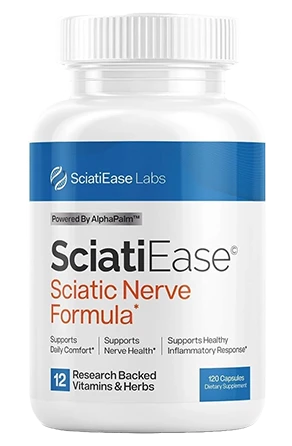
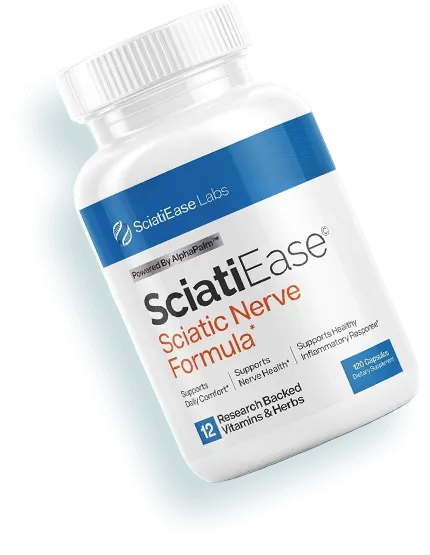
While lifestyle changes and psychological interventions are cornerstones of managing stress-related sciatica, targeted nutritional support can play a complementary role in promoting nerve health and reducing inflammation. This is where supplements like Sciatiease come into play. It's designed to provide your body with specific nutrients that support the nervous system and help mitigate some of the physical effects of stress and inflammation on the sciatic nerve.
Sciatiease is formulated with a blend of ingredients known for their neuroprotective and anti-inflammatory properties. These components work synergistically to support the health of your peripheral nerves, potentially reducing the irritation and discomfort associated with sciatica. It's important to view such supplements as part of a broader strategy, not a standalone solution, especially when dealing with the complex interplay of stress and pain.
Many individuals find that by supporting their body's natural healing processes and reducing inflammatory responses, they can better manage their symptoms while simultaneously working on stress reduction. To learn more about the specific benefits and how it can fit into your pain management plan, you might want to read a comprehensive Sciatiease review 2026.
Key Ingredients in Sciatiease and Their Benefits
Alpha-Lipoic Acid (ALA)
Role: A potent antioxidant that helps protect nerve cells from oxidative damage and inflammation, crucial for improving nerve function and reducing neuropathic pain. It also helps regenerate other antioxidants in the body.
Acetyl-L-Carnitine (ALCAR)
Role: Supports nerve regeneration and repair, enhances energy production in nerve cells, and has neuroprotective properties. It may improve nerve signal transmission and reduce pain in conditions affecting peripheral nerves.
B Vitamins (B1, B6, B12)
Role: Essential for nerve health and function. B1 (Thiamine) supports nerve energy. B6 (Pyridoxine) is vital for neurotransmitter synthesis and nerve signal transmission. B12 (Cobalamin) is critical for myelin sheath formation, protecting nerves and improving nerve conduction. Deficiencies can lead to nerve damage and heightened pain sensitivity.
Magnesium
Role: A vital mineral involved in over 300 bodily functions, including muscle relaxation and nerve transmission. Magnesium helps reduce muscle spasms and tension, which can be a significant contributor to sciatica pain, and also supports a healthy stress response.
Turmeric (Curcumin)
Role: A powerful natural anti-inflammatory compound. Curcumin, the active ingredient in turmeric, helps reduce inflammation throughout the body, including around irritated nerves, thereby lessening pain and promoting healing. It's a key ingredient in many pain relief formulations.
Boswellia Serrata
Role: Known for its potent anti-inflammatory properties, boswellia helps reduce swelling and pain by inhibiting inflammatory pathways. It can be particularly effective in reducing discomfort associated with nerve irritation and joint issues.
Passionflower
Role: A traditional herb used for its calming and sedative effects. It can help reduce anxiety and improve sleep quality, indirectly benefiting sciatica by breaking the stress-pain cycle and allowing the body to rest and repair.
These ingredients work together to provide comprehensive support for nerve function, inflammation reduction, and overall well-being, complementing your stress management efforts. For those wondering where to buy Sciatiease, it's typically available through its official website to ensure authenticity and quality. For related conditions like spinal stenosis, some of these ingredients can also offer supportive benefits, as discussed in articles about supplements for spinal stenosis.
Ready to Address Your Sciatica Holistically?
If stress and anxiety are exacerbating your sciatica, it's time to consider a comprehensive approach. Sciatiease offers natural support for nerve health and inflammation, empowering your body to better cope with the physical demands of sciatica. Combine it with stress-reduction techniques for optimal results.
- ✓ Supports Healthy Nerve Function
- ✓ Helps Reduce Inflammation
- ✓ Promotes Overall Comfort
- ✓ Made with Natural Ingredients
- ✓ Non-GMO, GMP Certified




What Our Customers Say
"I was skeptical, but Sciatiease truly helped. My sciatica pain used to spike with stress, but after a few weeks, I felt a noticeable difference. It's not a miracle, but it's a huge piece of my pain management puzzle."
"Chronic stress always made my lower back seize up, and then the sciatica would follow. Sciatiease, combined with my meditation, has made my daily life so much more manageable. I feel less tense overall."
"I've tried everything for my sciatica. When my doctor suggested stress was a factor, I looked for something to support my nerves. Sciatiease has been a game-changer. My pain levels are lower, and I feel more resilient to daily stressors."
Frequently Asked Questions
Can stress really cause sciatica?
+While stress doesn't directly cause a herniated disc or spinal stenosis, it can significantly exacerbate existing sciatica symptoms or even trigger a flare-up. Chronic stress leads to muscle tension, inflammation, and heightened pain perception, all of which can irritate the sciatic nerve and intensify your pain experience.
What are the physical symptoms of stress-induced sciatica?
+Stress-induced sciatica often manifests as increased lower back stiffness, radiating pain down the leg, muscle spasms, and a general feeling of tightness in the glutes and hamstrings. You might also notice a decreased pain threshold, meaning minor irritations feel much more severe than usual.
How can I tell if my sciatica is made worse by anxiety?
+Observe patterns in your pain. If your sciatica flares up during periods of high stress, anxiety, or emotional tension, it's likely linked. Other indicators include difficulty relaxing, sleep disturbances, increased muscle tension (especially in the shoulders, neck, and lower back), and a tendency to catastrophize about your pain.
What are immediate steps to reduce stress affecting my back pain?
+Immediate steps include deep breathing exercises, short meditation breaks, gentle stretching, taking a warm bath, and practicing mindfulness. Engaging in light physical activity like a short walk can also help. Identifying and temporarily removing yourself from stressors can provide quick relief.
Is Sciatiease a cure for stress-related sciatica?
+Sciatiease is a dietary supplement designed to support nerve health and reduce inflammation, which can be beneficial for managing sciatica symptoms. It is not a cure for stress-related sciatica, but rather a complementary tool to be used alongside stress management techniques, physical therapy, and other medical advice. It aims to address underlying physical contributors to nerve pain.
How long does it take to see improvements when managing stress for sciatica?
+The timeline for improvement varies greatly depending on the individual, the severity of stress, and the consistency of management strategies. Some people may notice minor relief within days of implementing stress-reduction techniques, while significant, lasting improvements often take several weeks to months of consistent effort. Patience and persistence are key.
Related Articles