Suffering from sciatica or persistent lower back pain?
The debilitating discomfort of sciatica can turn everyday movements into agonizing challenges, making even simple tasks feel impossible. Many conventional exercises can put additional strain on an already sensitive spine, leaving sufferers searching for a gentle yet effective solution.
Imagine finding relief in an environment that naturally supports your body, eases pressure, and allows for pain-free movement. This is precisely what swimming and aquatic exercises offer – a unique, low-impact pathway to significant sciatica and back pain relief.
Understanding Sciatica and Lower Back Pain
Before we dive into the therapeutic benefits of water, it's crucial to understand what sciatica and general lower back pain entail. This knowledge empowers you to approach your relief strategy with greater insight and intention.
Sciatica refers to pain that radiates along the path of the sciatic nerve, which branches from your lower back through your hips and buttocks and down each leg. Typically, sciatica affects only one side of your body. It commonly occurs when a herniated disk, bone spur on the spine, or narrowing of the spine (spinal stenosis) compresses part of the nerve. This compression causes inflammation, pain, and often some numbness in the affected leg.
Symptoms can range from a mild ache to a sharp, burning sensation or excruciating pain. Sometimes it can feel like a jolt or electric shock. It may worsen with coughing, sneezing, or prolonged sitting. While most cases of sciatica resolve with time and conservative treatments, for many, the journey to relief involves exploring various therapeutic approaches, including targeted exercises.
Lower back pain, on the other hand, is a broader term encompassing pain in the lumbar region of the spine. It can stem from a variety of issues, including muscle strains, ligament sprains, degenerative disc disease, arthritis, or even poor posture. While not all lower back pain is sciatica, sciatica is a specific type of lower back pain that radiates down the leg due to nerve compression.
Both conditions often lead to a vicious cycle: pain causes inactivity, which leads to muscle weakness, stiffness, and further pain. Breaking this cycle requires finding forms of exercise that are gentle enough not to aggravate the condition but effective enough to strengthen supporting muscles and improve flexibility. This is where aquatic exercise truly shines.
💡 Key Takeaway
Sciatica is nerve pain radiating down the leg, often caused by nerve compression in the lower back, while general lower back pain can have various origins. Both conditions benefit from gentle exercise to break the pain-inactivity cycle, making low-impact activities like swimming ideal.
Why Swimming is a Game-Changer for Sciatica Relief
The unique properties of water make it an ideal environment for individuals seeking relief from sciatica and lower back pain. Here's why swimming and water-based exercises stand out:
Buoyancy Reduces Spinal Compression
One of the most significant advantages of water exercise is buoyancy. When immersed in water, your body becomes lighter, drastically reducing the gravitational load on your spine. This decompression can provide immediate relief from pressure on the sciatic nerve and spinal discs, allowing them to relax and potentially reducing inflammation.
Gentle Resistance for Muscle Strengthening
Water provides natural, uniform resistance in all directions, which allows you to strengthen your core, back, and leg muscles without the jarring impact of land-based exercises. Stronger core muscles are vital for stabilizing the spine, improving posture, and preventing future sciatica flare-ups. This controlled resistance helps build strength safely.
Improved Flexibility and Range of Motion
The warmth of pool water, combined with reduced gravity, helps relax tight muscles and connective tissues, facilitating a greater range of motion. This increased flexibility in the hips, hamstrings, and lower back can relieve tension that often contributes to sciatica pain. Stretching in water is often easier and less painful than on land.
Enhanced Circulation and Reduced Inflammation
Regular aquatic exercise boosts blood circulation, which is crucial for delivering nutrients to damaged tissues and flushing away inflammatory byproducts. The hydrostatic pressure of water also contributes to reduced swelling in the lower extremities, further aiding in pain reduction and recovery.
Stress Reduction and Mental Well-being
Chronic pain often comes hand-in-hand with stress and anxiety. The rhythmic nature of swimming and the calming effect of water can be incredibly therapeutic, promoting relaxation and improving mood. Reducing stress can indirectly help manage pain perception and improve overall quality of life.
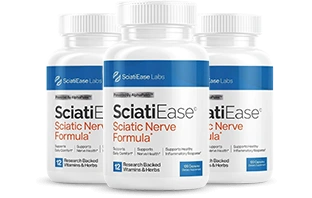
For those struggling with the persistent discomfort of sciatica, finding a comprehensive approach that includes gentle, effective exercise is paramount. While swimming offers significant physical benefits, remember that a holistic strategy also considers internal support for nerve health and inflammation. Many individuals find additional relief by exploring natural supplements designed to support these areas, such as Sciatiease.
Best Swimming Strokes and Water Exercises for Sciatica
To maximize the benefits of swimming for sciatica, it's essential to choose strokes and exercises that support spinal alignment and avoid movements that might aggravate your condition. Here are some of the most recommended options:
Freestyle (Front Crawl)
Freestyle is often considered one of the best strokes for sciatica. It encourages a relatively straight spinal alignment and engages core muscles without excessive twisting or arching. Keep your head in line with your spine, breathing by rotating your head gently to the side rather than lifting it. Focus on smooth, controlled movements and a steady kick.
Backstroke
Backstroke is another excellent choice as it naturally promotes an open chest and an elongated spine, which can be very beneficial for decompressing the lower back. It strengthens back muscles and glutes while minimizing strain. Ensure your head remains neutral, looking straight up, and avoid excessive arching of the lower back.
Gentle Breaststroke
While a traditional breaststroke can sometimes cause arching in the lower back, a modified, gentle version can be beneficial. Focus on keeping your head in the water during the glide phase, only lifting it slightly to breathe. Minimize the kick's intensity and avoid a strong whip-kick that might strain the hips and lower back. The key is controlled, fluid motion.
Water Walking/Jogging
For those new to water exercise or with severe pain, simply walking or jogging in chest-deep water is a fantastic starting point. The water's resistance strengthens leg and core muscles, while buoyancy supports the spine. You can vary intensity by increasing speed or using water weights for added resistance. This is also a great way to warm up or cool down.
Leg Lifts and Swings in Water
Holding onto the side of the pool, gently perform leg lifts to the front, side, and back. The water's support makes these movements easier and less painful than on land. These exercises improve hip mobility and strengthen the muscles around the hip and glutes, which are crucial for sciatic nerve health. Focus on slow, controlled movements.
Knee-to-Chest Stretches
In waist or chest-deep water, gently pull one knee towards your chest, holding it for a few seconds. This can help decompress the lumbar spine and stretch the glutes and hamstrings. Repeat on the other side. The water's support allows for a deeper, more comfortable stretch than on land.
When performing any of these exercises, the golden rule is to listen to your body. If any movement causes sharp pain or increases your sciatica symptoms, stop immediately. It's always advisable to consult with a physical therapist or doctor experienced in aquatic therapy to tailor a program specific to your condition.
Strokes and Practices to Approach with Caution
While swimming is generally beneficial, certain strokes or techniques can exacerbate sciatica or lower back pain if not performed correctly or if your condition is severe. Awareness is key to a safe and effective aquatic routine.
Butterfly Stroke
The butterfly stroke involves significant spinal arching and twisting, particularly in the lumbar region. This intense movement can put considerable strain on the lower back and potentially compress the sciatic nerve. It is generally recommended to avoid the butterfly stroke entirely if you suffer from sciatica or chronic lower back pain.
Aggressive Breaststroke Kick
While a gentle breaststroke can be okay, an aggressive breaststroke kick (whip kick) involves external rotation of the hips and often a strong arch in the lower back. This can put undue stress on the hip joints and the sacroiliac joint, potentially irritating the sciatic nerve. If you do breaststroke, opt for a more streamlined, gentle kick.
Over-Rotating During Freestyle
While freestyle is generally good, excessive rotation of the torso during the stroke can introduce unwanted twisting in the lower back. Focus on a controlled, smooth rotation that keeps your spine as aligned as possible. Over-rotation often comes from trying to breathe too far to the side or overreaching with your arms.
Improper Head Position
Consistently lifting your head out of the water to breathe (instead of rotating your head to the side) in freestyle, or constantly holding your head up in breaststroke, can lead to neck strain and poor spinal alignment. This can translate to increased tension in the back and exacerbate sciatica. Maintain a neutral spine and head position as much as possible.
Always remember that pain is your body's signal. If any movement causes discomfort, stop and re-evaluate your technique or choose an alternative exercise. Consulting with a certified swimming instructor or an aquatic physical therapist can provide invaluable guidance on proper form and modifications specific to your condition.
Integrating Swimming into a Holistic Sciatica Management Plan
While swimming offers remarkable benefits, it's most effective when integrated into a broader, holistic approach to managing sciatica and lower back pain. This involves combining exercise with other supportive strategies.
1. Consistent Routine: Regularity is key. Aim for 2-3 swimming sessions per week, gradually increasing duration and intensity as your body adapts. Consistency helps build strength, improve flexibility, and maintain pain relief.
2. Proper Warm-up and Cool-down: Always begin with 5-10 minutes of gentle water walking or light stretching in the water to prepare your muscles. Conclude with another 5-10 minutes of gentle stretches to aid recovery and prevent stiffness.
3. Listen to Your Body: Never push through pain. Sciatica symptoms can fluctuate. On days when pain is higher, opt for gentler exercises like water walking or simple stretches. On better days, you can try more active swimming.
4. Posture Awareness: Good posture extends beyond the pool. Pay attention to your sitting, standing, and lifting habits throughout the day. Using ergonomic chairs, maintaining a neutral spine, and lifting with your legs can significantly reduce strain on your lower back and sciatic nerve. For more tips on managing pain at home, consider reading our article on how to reduce sciatica pain at home.
5. Weight Management: Excess body weight, especially around the abdomen, can put additional strain on the lower back and contribute to sciatica. Combining swimming with a balanced diet can aid in healthy weight management, thereby reducing pressure on your spine. Learn more about the connection in our article on weight management for sciatica.
6. Complementary Therapies: Consider incorporating other therapies like massage, chiropractic care, acupuncture, or physical therapy. These can address specific muscular imbalances or spinal issues that contribute to your pain.
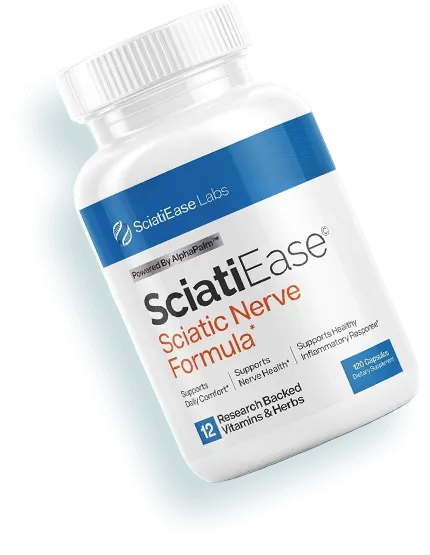
7. Nutritional Support: Diet plays a crucial role in managing inflammation and supporting nerve health. An anti-inflammatory diet rich in fruits, vegetables, lean proteins, and healthy fats can complement your exercise routine. Additionally, specific nutrients are known to support nerve function and help reduce discomfort. For example, B vitamins, magnesium, and certain herbal extracts have been studied for their roles in nerve health and pain management. Many individuals find that a targeted supplement can provide foundational support for their body's natural healing processes, especially when dealing with chronic nerve pain. Supplements designed for nerve health, such as Sciatiease, often contain a blend of ingredients aimed at reducing inflammation and promoting nerve repair.
8. Stress Management: Chronic pain can increase stress, which in turn can heighten pain perception. Practices like mindfulness, meditation, deep breathing exercises, or simply engaging in hobbies can help manage stress and improve your overall well-being. For those with desk jobs, addressing sciatica is critical, and you can find more helpful information on sciatica supplements for office workers.
By adopting a multi-faceted approach, you not only address the symptoms of sciatica but also work towards improving your overall spinal health and preventing future recurrences. Swimming is a powerful tool in this arsenal, offering a gentle yet effective path to greater comfort and mobility.
Ready for Natural Sciatica Relief?
While swimming provides excellent physical relief, internal support is equally vital for long-term comfort. Sciatiease is formulated with natural ingredients designed to target the root causes of sciatica and lower back pain, complementing your active lifestyle.
- ✓ Supports healthy nerve function
- ✓ Helps reduce inflammation and pain
- ✓ Promotes overall spinal health
- ✓ Made with clinically studied natural ingredients
- ✓ Non-GMO, GMP Certified, Made in USA




Key Natural Ingredients in Sciatiease
Sciatiease is formulated with a powerful blend of natural ingredients, each selected for its potential to support nerve health and reduce inflammation, offering a complementary approach to physical therapies like swimming.
Turmeric (Curcuma longa)
Role: A potent anti-inflammatory agent, curcumin (the active compound in turmeric) helps reduce systemic inflammation that often contributes to nerve pain. It supports a healthy inflammatory response.
Boswellia Serrata
Role: Known for its boswellic acids, this extract helps inhibit inflammatory pathways in the body, offering significant relief from pain and swelling associated with nerve compression and musculoskeletal discomfort.
Alpha-Lipoic Acid (ALA)
Role: A powerful antioxidant, ALA helps protect nerve cells from oxidative damage and supports nerve regeneration. It's particularly beneficial for neuropathic pain, including that associated with sciatica.
Acetyl-L-Carnitine (ALC)
Role: ALC is crucial for nerve health, supporting mitochondrial function and nerve fiber repair. It helps reduce neuropathic pain and can improve nerve signal transmission.
Magnesium
Role: An essential mineral that plays a critical role in muscle and nerve function. Magnesium helps relax muscles, reduce muscle spasms that can irritate the sciatic nerve, and support overall nerve signal transmission.
B Vitamins (B1, B6, B12)
Role: This complex of B vitamins is vital for nerve health and function. They support nerve repair, reduce nerve inflammation, and are crucial for the myelin sheath, which protects nerve fibers. Deficiencies can exacerbate nerve pain.
Feverfew
Role: Traditionally used for pain and inflammation, Feverfew contains parthenolides that help modulate inflammatory responses and reduce the sensation of pain, offering natural relief for various discomforts.
White Willow Bark
Role: A natural source of salicin, similar to aspirin, White Willow Bark provides pain relief and anti-inflammatory effects, helping to soothe general discomfort and nerve-related pain without harsh side effects.
This synergistic blend of ingredients in Sciatiease is designed to provide comprehensive support, working to calm nerve pain and support your body's natural healing processes.
What Our Customers Are Saying
"Sciatiease has been a lifesaver! After years of struggling with sciatica, I finally found something that truly helps. Combined with my water exercises, the relief is incredible. I can move freely again."
"I was skeptical at first, but Sciatiease delivered. My lower back pain has significantly decreased, allowing me to enjoy my daily swim without dreading the pain afterwards. Highly recommend!"
"This supplement, along with regular gentle swimming, has changed my life. The constant tingling and sharp pain in my leg are almost gone. It's amazing to feel like myself again."
Frequently Asked Questions
Is swimming truly effective for sciatica pain relief?
+Yes, swimming can be incredibly effective for sciatica pain relief. The buoyancy of water reduces gravity's impact on your spine, decompressing nerve roots and alleviating pressure on the sciatic nerve. Water also provides gentle resistance, strengthening core and back muscles without harsh impact, which can stabilize the spine and improve posture.
What are the best swimming strokes for someone with sciatica?
+For sciatica relief, focus on strokes that maintain spinal alignment and avoid twisting. Freestyle (front crawl) and backstroke are generally excellent choices. Gentle breaststroke, performed with careful attention to neck and lower back posture, can also be beneficial. Water walking and simple leg movements in the water are also highly recommended.
Are there any swimming strokes I should avoid if I have sciatica?
+Yes, certain strokes might exacerbate sciatica. The butterfly stroke, with its significant spinal arching and twisting, should generally be avoided. Aggressive breaststroke with a pronounced head lift and lower back arch can also put strain on the lumbar spine. Always listen to your body and stop if you feel any discomfort or increased pain.
How often should I swim to get relief from sciatica?
+Consistency is key. Aim for 2-3 sessions per week, gradually increasing duration and intensity as your body allows. Start with shorter sessions (15-20 minutes) and slowly work your way up to 30-45 minutes. It's more beneficial to swim regularly and gently than to push yourself too hard in infrequent sessions.
What other water exercises can help with sciatica besides swimming?
+Beyond swimming, water walking in shallow or chest-deep water is excellent for core engagement and leg strengthening. Gentle leg swings, knee-to-chest exercises, and hip abductions/adductions performed in the water can also improve flexibility and strengthen supporting muscles without impact. Aquatic therapy exercises under a physical therapist's guidance are also highly beneficial.
Should I consult my doctor before starting a swimming routine for sciatica?
+Absolutely. Before starting any new exercise regimen, especially if you have a medical condition like sciatica, it is crucial to consult your doctor or a physical therapist. They can assess your specific condition, recommend appropriate exercises, and advise on any precautions to ensure your safety and maximize the benefits of swimming.
Related Articles