Are you struggling to tell the difference between a herniated disc and sciatica?
Many people experience debilitating lower back and leg pain, often using "sciatica" as a catch-all term. However, understanding the precise cause of your discomfort is crucial for effective treatment. Incorrect self-diagnosis can lead to ineffective remedies, prolonged suffering, and potentially worsen the underlying condition.
While a herniated disc can indeed cause sciatica, sciatica itself is a symptom, not a diagnosis. This article will clarify the distinctions, explore their unique symptoms, and guide you towards understanding your pain better, including natural approaches to nerve health. Our goal is to empower you with knowledge, enabling you to make informed decisions about your health and seek appropriate care.
Understanding the Spinal Column: A Foundation for Disc and Nerve Health
Before delving into the specifics of herniated discs and sciatica, it's essential to grasp the basic anatomy of your spine. The spine is a complex and vital structure, providing support, flexibility, and protection for the delicate spinal cord.
Your spine is composed of 33 individual bones called vertebrae, stacked one upon another. These vertebrae are divided into regions: cervical (neck), thoracic (mid-back), lumbar (lower back), sacrum, and coccyx. The lower back, or lumbar region, is particularly susceptible to strain due to its role in bearing most of the body's weight and facilitating movement.
Between most vertebrae are resilient, cushion-like structures known as intervertebral discs. These discs act as shock absorbers, allowing the spine to bend and twist while protecting the vertebrae from grinding against each other. Each disc has two main parts: a tough, fibrous outer ring called the annulus fibrosus, and a soft, gel-like inner core called the nucleus pulposus. Think of it like a jelly donut, with the annulus being the dough and the nucleus being the jelly. This design allows for both flexibility and stability.
Running through the center of this vertebral column is the spinal canal, which houses the spinal cord – the main communication highway between your brain and the rest of your body. At each vertebral level, nerves branch off the spinal cord, exiting through small openings called foramina, to innervate various parts of the body, including your arms, legs, and internal organs. When these nerves, especially in the lumbar region, become irritated or compressed, it can lead to significant pain and discomfort, often radiating down the leg.
What is a Herniated Disc? A Structural Issue
A herniated disc, sometimes referred to as a slipped disc or ruptured disc, is a specific structural problem within the spinal column. It occurs when the soft inner core of an intervertebral disc (the nucleus pulposus) pushes through a tear in the tougher outer layer (the annulus fibrosus).
This protrusion can take several forms, from a slight bulge to a full rupture where the inner material extrudes into the spinal canal or nerve root area. When this happens, the displaced disc material can directly compress or irritate nearby spinal nerves, leading to a range of symptoms.
Causes and Risk Factors for Herniated Discs
Herniated discs are most common in the lumbar (lower back) and cervical (neck) regions of the spine, as these areas experience the most movement and stress. Several factors can contribute to their development:
- Age-Related Degeneration: As we age, our discs naturally lose water content, becoming less flexible and more prone to tearing. This degenerative process is a leading cause.
- Improper Lifting Techniques: Using your back instead of your legs to lift heavy objects can place excessive strain on the spinal discs, leading to injury.
- Acute Injury or Trauma: A sudden impact, fall, or twisting motion can exert enough force to cause a disc to herniate.
- Repetitive Strain: Jobs or activities that involve constant bending, twisting, or prolonged sitting can increase the risk over time.
- Obesity: Excess body weight puts additional stress on the discs in the lower back.
- Genetics: Some individuals may be genetically predisposed to disc problems.
- Smoking: Nicotine can reduce blood flow to the discs, accelerating degeneration.
Symptoms of a Herniated Disc
The symptoms of a herniated disc vary depending on its location and the specific nerve roots it affects. Common symptoms include:
- Localized Back Pain: Often, the initial symptom is pain in the lower back that may worsen with movement, bending, lifting, or prolonged sitting.
- Radiating Pain (Radiculopathy): If the herniated disc presses on a nerve root, pain can radiate down into the buttock, thigh, calf, and sometimes even the foot. This radiating pain is often sharp, burning, or electrical.
- Numbness or Tingling: A "pins and needles" sensation or numbness can occur in the area supplied by the compressed nerve. This might be in a specific part of the leg or foot.
- Muscle Weakness: The affected nerve may struggle to transmit signals to muscles, leading to weakness in the leg or foot, making it difficult to lift the foot (foot drop) or stand on tiptoes.
- Exacerbation with Movement: Symptoms often worsen with coughing, sneezing, straining, or specific movements that put pressure on the disc.
- Loss of Reflexes: In some cases, nerve compression can lead to diminished or absent reflexes in the affected leg.
It's important to note that some people may have a herniated disc without experiencing any symptoms at all, especially if the disc material doesn't compress a nerve. Conversely, others can experience severe, debilitating pain requiring immediate medical attention.
What is Sciatica? A Symptom, Not a Diagnosis
Unlike a herniated disc, which is a structural problem, sciatica is a term used to describe a set of symptoms, specifically pain that radiates along the path of the sciatic nerve. It is not a diagnosis in itself, but rather an indication that the sciatic nerve, or one of its contributing nerve roots, is being irritated or compressed.
The sciatic nerve is the longest and thickest nerve in the human body. It originates from five nerve roots in the lower spine (L4, L5, S1, S2, and S3), which merge together to form a single large nerve. This nerve travels from the lower back, through the buttocks, and down the back of each leg, eventually branching into smaller nerves that extend into the feet and toes. Sciatica typically affects only one side of the body.
Common Causes of Sciatica
While a herniated disc is the most common cause, sciatica can result from various conditions that place pressure on the sciatic nerve. Understanding these different causes is key to accurate diagnosis and effective treatment:
- Herniated Disc: As discussed, a bulging or ruptured disc in the lumbar spine can directly compress the sciatic nerve roots. This is the most frequent culprit.
- Spinal Stenosis: This condition involves the narrowing of the spinal canal, which can put pressure on the spinal cord and sciatic nerve roots. It's more common in older adults due to age-related degeneration.
- Piriformis Syndrome: The piriformis muscle is a small muscle located deep in the buttock, near the hip joint. In some individuals, the sciatic nerve runs through or under this muscle. If the piriformis muscle becomes tight or spasms, it can compress the sciatic nerve, causing sciatica-like symptoms.
- Spondylolisthesis: This occurs when one vertebra slips forward over another, potentially pinching the sciatic nerve roots as they exit the spinal column.
- Degenerative Disc Disease: General wear and tear of the spinal discs can lead to bone spurs or disc collapse, creating less space for the nerves and causing irritation.
- Muscle Spasms: Severe muscle spasms in the lower back or glutes can sometimes exert pressure on the sciatic nerve.
- Pregnancy: The added weight, hormonal changes, and shifting center of gravity during pregnancy can put pressure on the sciatic nerve.
- Tumors or Infections: Although rare, growths or infections in the spine can compress the sciatic nerve.
Symptoms of Sciatica
The hallmark of sciatica is its characteristic radiating pain. Key symptoms include:
- Radiating Pain: A constant, sharp, burning, or shooting pain that originates in the lower back or buttock and travels down the back of the leg, often below the knee.
- Numbness and Tingling: A sensation of "pins and needles" or numbness in the leg, foot, or toes, following the specific pathway of the irritated nerve.
- Muscle Weakness: Difficulty moving the leg or foot, or a feeling of weakness in the affected limb.
- Aggravating Factors: Pain may worsen with prolonged sitting, standing, coughing, sneezing, or sudden movements.
- Pain Variation: The intensity of pain can range from a mild ache to an excruciating, debilitating sensation.
- Unilateral Symptoms: Sciatica almost always affects only one side of the body.
It's crucial to understand that while the symptoms are similar, the underlying cause determines the specific treatment approach. For more insights on nerve health, you might find our article on how to improve nerve health naturally very helpful.
💡 Key Takeaway
The fundamental distinction is that a herniated disc is a specific structural injury to a spinal disc, while sciatica is a collection of symptoms (pain, numbness, tingling) resulting from the compression or irritation of the sciatic nerve, which can be caused by a herniated disc or other conditions.
Herniated Disc vs. Sciatica: A Comparative Look at Symptoms
While their symptoms often overlap, understanding the subtle differences can help you and your healthcare provider pinpoint the exact issue. Here's a comparative overview:
Herniated Disc: Focus on Origin
Pain often starts in the lower back and may or may not radiate. It can be a dull ache or sharp, and often worsens with specific movements like bending, lifting, or prolonged sitting. Coughing or sneezing can acutely increase back pain. Numbness or weakness might be felt in a very specific, defined area corresponding to the compressed nerve root.
Sciatica: Focus on Pathway
The defining characteristic is pain that radiates down the leg along the sciatic nerve pathway, from the buttock, down the back of the thigh, and into the calf or foot. This pain is often described as shooting, burning, or electrical. Numbness and tingling (pins and needles) are common along this pathway, and muscle weakness can occur in the affected leg. The pain is almost always unilateral (one side).
Muscle Weakness
In a herniated disc, weakness might be observed in specific muscle groups depending on the nerve root affected, potentially causing foot drop (difficulty lifting the front part of the foot). With sciatica, general leg weakness can occur along the entire nerve pathway, impacting overall leg function.
Sensory Changes
Both can cause numbness and tingling. However, with a herniated disc, these sensations are often more localized to a specific dermatome (an area of skin supplied by a single spinal nerve). Sciatica tends to present a broader pattern of numbness and tingling along the sciatic nerve's extensive path.
It's crucial to remember that a herniated disc is a common cause of sciatica. So, if you have a herniated disc that is compressing the sciatic nerve, you will experience sciatica. However, not all sciatica is caused by a herniated disc.
When to Seek Medical Attention for Back and Leg Pain
While many cases of back and leg pain resolve with conservative measures, certain symptoms warrant immediate medical evaluation to prevent long-term complications.
You should consult a doctor if you experience:
- Persistent Pain: If your back or leg pain doesn't improve after a few weeks of self-care (rest, ice/heat, over-the-counter pain relievers).
- Worsening Symptoms: If your pain, numbness, or weakness is progressively getting worse.
- Severe or Debilitating Pain: Pain that interferes significantly with daily activities or sleep.
- Weakness or Numbness: Any new or worsening muscle weakness or significant numbness in your leg or foot.
- Bowel or Bladder Dysfunction: This is a rare but serious symptom (known as Cauda Equina Syndrome) that requires emergency medical attention. It includes loss of bladder or bowel control, difficulty urinating, or numbness in the "saddle area" (groin, inner thighs, buttocks).
- Sudden, Severe Pain After an Injury: Especially if it's accompanied by weakness or numbness.
- Fever, Chills, or Unexplained Weight Loss: These could indicate a more serious underlying condition like infection or tumor.
Diagnosis: Pinpointing the Problem
A thorough diagnosis typically involves:
- Medical History and Physical Exam: Your doctor will ask about your symptoms, medical history, and perform a physical examination to assess your reflexes, muscle strength, sensation, and observe your posture and movement. Specific tests like the straight leg raise can indicate nerve compression.
- Imaging Tests:
- X-rays: Can rule out fractures, tumors, or spinal alignment issues, but do not show soft tissues like discs or nerves.
- MRI (Magnetic Resonance Imaging): This is the gold standard for diagnosing a herniated disc, showing detailed images of soft tissues, including discs, nerves, and ligaments.
- CT Scan (Computed Tomography): Provides detailed bone images and can show disc herniation, though less clearly than an MRI for soft tissues.
- Nerve Tests (Electromyography - EMG / Nerve Conduction Study - NCS): These tests measure electrical activity in nerves and muscles, helping to determine if a nerve is compressed or damaged and how severely. They can help distinguish between nerve root compression and other conditions like peripheral neuropathy.
Treatment Approaches for Herniated Discs and Sciatica
Treatment for both herniated discs and sciatica often begins with conservative, non-surgical methods. The goal is to reduce pain, improve function, and prevent recurrence.
Conservative Treatments (First Line)
Most cases of herniated disc and sciatica respond well to conservative management over several weeks or months. These include:
- Rest and Activity Modification: Short periods of rest are helpful, but prolonged bed rest is generally not recommended as it can weaken muscles. Avoiding activities that aggravate pain is important.
- Ice and Heat Therapy: Applying ice packs initially can help reduce inflammation and pain. After the acute phase, heat packs can relax muscles and improve blood flow.
- Physical Therapy (PT): A physical therapist can teach you exercises to strengthen core muscles, improve flexibility, correct posture, and decompress the spine. This is a cornerstone of recovery.
- Medications:
- Over-the-Counter Pain Relievers: NSAIDs (nonsteroidal anti-inflammatory drugs) like ibuprofen or naproxen can reduce pain and inflammation.
- Prescription Medications: Muscle relaxants, oral corticosteroids, or neuropathic pain medications (e.g., gabapentin, pregabalin) may be prescribed for more severe symptoms.
- Epidural Steroid Injections: For severe pain, a corticosteroid medication can be injected into the epidural space around the spinal nerves. This can reduce inflammation and provide temporary pain relief, allowing you to participate more effectively in physical therapy.
- Chiropractic Care or Osteopathic Manipulation: Some individuals find relief through spinal adjustments and manual therapies.
Surgical Interventions (Last Resort)
Surgery is typically considered only after several months of conservative treatment have failed to provide adequate relief, or if there are signs of progressive neurological deficit (e.g., worsening weakness, foot drop) or bowel/bladder dysfunction.
- Microdiscectomy: This is the most common surgical procedure for a herniated disc. It involves removing the herniated portion of the disc that is compressing the nerve. It's minimally invasive and often highly effective.
- Laminectomy: In some cases, a small part of the vertebral bone (lamina) may be removed to create more space for the nerve root.
- Spinal Fusion: Rarely, if spinal instability is a significant issue, vertebrae may be fused together to stabilize the spine.
The decision for surgery is a complex one and should be made in consultation with a spine specialist, weighing the potential benefits against the risks. For a deeper dive into different treatment paths, consider reading our comparison of sciatica supplements vs. pain medication.
Supporting Nerve Health Naturally: The Role of Sciatiease
Beyond conventional medical treatments, many individuals seek natural ways to support nerve health and manage pain associated with conditions like sciatica and herniated discs. Nutritional support, anti-inflammatory compounds, and nerve-specific nutrients can play a significant role in reducing discomfort and promoting overall well-being.
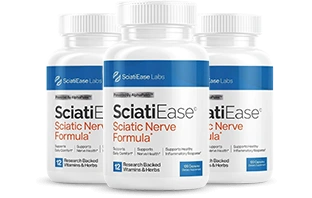
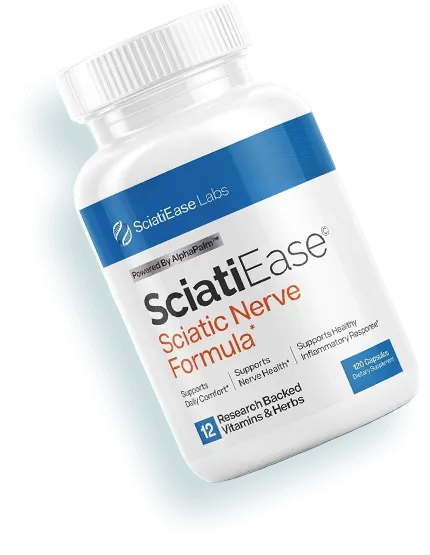
This is where natural supplements like Sciatiease can offer a complementary approach. Sciatiease is formulated with a blend of ingredients specifically chosen for their potential to support nerve function, reduce inflammation, and alleviate the symptoms of nerve pain.
Key Natural Ingredients in Sciatiease for Nerve Support
Alpha Lipoic Acid (ALA)
Role: A powerful antioxidant that helps protect nerves from oxidative damage and can improve nerve function. It's often used in managing neuropathic pain.
Turmeric (Curcumin)
Role: Contains curcumin, a potent anti-inflammatory compound that can help reduce swelling and pain associated with nerve irritation and general inflammation in the body.
Benfotiamine
Role: A fat-soluble derivative of Vitamin B1 (Thiamine), known for its ability to penetrate nerve cells more effectively than traditional thiamine. It supports nerve health and may help reduce nerve pain.
Magnesium
Role: An essential mineral involved in over 300 biochemical reactions, including nerve transmission and muscle relaxation. Magnesium deficiency can exacerbate nerve pain and muscle spasms.
Vitamin B Complex (B6, B12, Folate)
Role: Crucial for nerve health and repair. B vitamins play a vital role in myelin sheath formation (the protective coating around nerves) and neurotransmitter synthesis, helping to reduce nerve pain and promote regeneration.
Palmitoylethanolamide (PEA)
Role: A naturally occurring fatty acid amide that acts on the endocannabinoid system to reduce pain and inflammation, particularly effective for neuropathic pain.
Boswellia Serrata Extract
Role: Known for its powerful anti-inflammatory properties, boswellia can help reduce inflammation and pain in joints and tissues, contributing to overall comfort.
By combining these carefully selected ingredients, Sciatiease aims to address the multi-faceted nature of nerve pain, offering support for inflammation, nerve protection, and overall neurological well-being. It's a natural option for those seeking relief without the side effects often associated with conventional pain medications. Always discuss any new supplement regimen with your healthcare provider, especially if you have existing medical conditions or are taking other medications.
Experience Targeted Relief with Sciatiease
Don't let nerve pain dictate your life. Sciatiease offers a unique blend of natural ingredients designed to support nerve health, reduce inflammation, and alleviate discomfort associated with sciatica and lower back pain. It's time to reclaim your comfort and mobility.
- Supports healthy nerve function
- Reduces inflammation naturally
- Promotes overall spinal comfort
- Made with clinically studied ingredients
- Backed by a 60-day money-back guarantee




What Our Customers Say
"Sciatiease has been a game-changer for my persistent leg pain. I finally feel like myself again and can enjoy my walks without constant discomfort!"
"After years of struggling with discomfort from what my doctor called sciatica, Sciatiease provided the natural relief I desperately needed. Highly recommend this product!"
"I was skeptical about supplements, but Sciatiease truly helped calm my nerve pain. My quality of life has significantly improved, and I'm more active than before."
Frequently Asked Questions
What is the main difference between a herniated disc and sciatica?
+A herniated disc is a specific structural issue where an intervertebral disc in the spine protrudes or ruptures, potentially compressing a nerve. Sciatica, on the other hand, is a symptom – a type of radiating nerve pain – that occurs when the sciatic nerve is irritated or compressed, often, but not always, caused by a herniated disc.
Can a herniated disc cause sciatica?
+Yes, a herniated disc is one of the most common causes of sciatica. When the soft inner material of a spinal disc pushes through its outer layer, it can press directly on the sciatic nerve roots exiting the spinal cord, leading to the characteristic pain, numbness, and tingling associated with sciatica.
What are the common symptoms of a herniated disc?
+Symptoms of a herniated disc typically include localized pain in the lower back that may worsen with certain movements like bending or lifting. It can also cause radiating pain, numbness, tingling, or weakness in the leg or foot, often following a specific dermatomal pattern depending on which nerve root is affected. Coughing, sneezing, or straining can also exacerbate the pain.
What are the common symptoms of sciatica?
+Sciatica manifests as a sharp, shooting, or burning pain that radiates from the lower back or buttock down the back of the leg, sometimes extending into the foot and toes. It can be accompanied by numbness, tingling (pins and needles sensation), or muscle weakness along the nerve pathway. Typically, sciatica affects only one side of the body.
How is a herniated disc diagnosed?
+Diagnosis of a herniated disc usually involves a thorough physical examination, including neurological tests to assess reflexes, muscle strength, and sensation. Imaging tests such as an MRI (Magnetic Resonance Imaging) are often used to confirm the presence and location of the disc herniation and to rule out other potential causes of symptoms.
Can Sciatiease help with both herniated disc pain and sciatica?
+Sciatiease is formulated with natural ingredients known for their anti-inflammatory and nerve-supporting properties. While it cannot 'cure' a structural issue like a herniated disc, it can help manage the symptoms of nerve compression and inflammation, thereby providing relief from the pain, numbness, and tingling associated with sciatica, regardless of its underlying cause, including a herniated disc. It supports overall nerve health and comfort.
Related Articles