Can Glucosamine Truly Help Your Spinal Discs and Ease Persistent Back Pain?
Chronic back pain, especially when stemming from issues with spinal discs, can be debilitating. It affects millions worldwide, significantly impacting quality of life and daily activities. From dull aches to sharp, shooting pains like sciatica, the search for effective, natural relief is constant.
Many turn to various therapies and supplements, with glucosamine often emerging in discussions about joint and cartilage health. But what exactly is glucosamine, and how relevant is it to the complex structure of your spine? In this in-depth guide, we'll delve into the science behind glucosamine's potential benefits for spinal discs and lower back pain, helping you understand if it could be a valuable addition to your pain management strategy.
The Foundation of Your Back: Understanding Spinal Discs and Their Role in Pain
To appreciate how glucosamine might help, it's crucial to first understand the anatomy and function of your spinal discs and why they become a source of pain.
Your spine is an incredibly complex and crucial structure, providing support, flexibility, and protection for your spinal cord. Between each vertebra (the bones of your spine) lie intervertebral discs. These remarkable structures act as natural shock absorbers, allowing your spine to bend, twist, and absorb the impact of daily activities. Each disc consists of two main parts: a tough, fibrous outer ring called the annulus fibrosus, and a soft, gel-like inner core known as the nucleus pulposus.
The annulus fibrosus is made up of concentric layers of collagen fibers, providing strength and containing the nucleus. The nucleus pulposus, rich in water and proteoglycans, gives the disc its cushioning properties. Together, they allow for smooth movement and protect the delicate nerves of the spinal cord. However, spinal discs are unique because they have a very limited blood supply, especially as we age. This means they rely heavily on diffusion to receive nutrients and remove waste, making them vulnerable to degeneration and slow to repair.
Over time, due to aging, repetitive stress, poor posture, injury, or genetic predisposition, these discs can begin to degenerate. This degeneration can manifest in several ways:
- Disc Dehydration: The nucleus pulposus loses water content, becoming less pliable and effective as a shock absorber.
- Disc Thinning: As the discs lose height, the space between vertebrae narrows, potentially leading to nerve compression.
- Bulging Discs: The outer annulus fibrosus weakens, allowing the nucleus to push outwards, creating a bulge that can press on nearby nerves.
- Herniated Discs: A tear in the annulus fibrosus allows the nucleus pulposus to protrude or "herniate" out of the disc, directly compressing spinal nerves.
When a disc bulges or herniates, it can press on the spinal cord or, more commonly, on the nerve roots exiting the spinal column. This compression is a primary cause of lower back pain and conditions like sciatica. Sciatica specifically refers to pain that radiates along the path of the sciatic nerve, which branches from your lower back through your hips and buttocks and down each leg. It typically affects only one side of your body and can cause sharp, shooting pain, numbness, tingling, or weakness.
Understanding these mechanisms is crucial because many traditional pain relief methods only address the symptoms. To truly find lasting relief, supporting the health and integrity of the spinal discs themselves is paramount. This is where the potential role of specific nutrients, like glucosamine, becomes particularly interesting.
💡 Key Takeaway
Spinal discs are critical for flexibility and shock absorption, but their limited blood supply makes them prone to degeneration. When discs bulge, herniate, or dehydrate, they can compress spinal nerves, leading to chronic lower back pain and conditions like sciatica.
The Science Behind Glucosamine: More Than Just for Knees?
Glucosamine is a naturally occurring compound found in your body, playing a vital role in building and repairing cartilage and other connective tissues. While widely recognized for knee and hip osteoarthritis, its implications for spinal health are gaining attention.
At its core, glucosamine is an amino sugar, a fundamental component in the biosynthesis of various functional macromolecules such as proteoglycans, glycosaminoglycans (GAGs), and hyaluronic acid. These are the essential building blocks that make up cartilage, tendons, ligaments, and synovial fluid – the lubricants and cushions within your joints. In the context of spinal discs, these components are critical for maintaining the structural integrity and hydration of both the annulus fibrosus and the nucleus pulposus.
There are several forms of glucosamine available in supplements, with Glucosamine Sulfate and Glucosamine Hydrochloride (HCl) being the most common. Research often points to Glucosamine Sulfate as potentially more effective, possibly due to its sulfur component, which is also important for cartilage synthesis. Regardless of the form, the primary mechanism of action involves providing the raw materials that chondrocytes (cartilage cells) need to synthesize new cartilage matrix components.
Specifically, glucosamine helps:
- Stimulate Proteoglycan Synthesis: Proteoglycans are large molecules that form the ground substance of cartilage. They are highly hydrophilic, meaning they attract and hold water. This water content is what gives cartilage and spinal discs their elasticity and shock-absorbing capacity.
- Support Collagen Production: Collagen is the primary structural protein in connective tissues, providing strength and framework for the annulus fibrosus of spinal discs.
- Maintain Joint Fluid Viscosity: By contributing to the production of hyaluronic acid, glucosamine can help maintain the lubricating properties of joint fluids, which is beneficial for overall spinal mobility.
Beyond its structural role, glucosamine also exhibits modest anti-inflammatory properties. While not as potent as NSAIDs, its ability to help regulate inflammatory pathways can be beneficial in reducing the chronic, low-grade inflammation often associated with disc degeneration and nerve irritation. This dual action – supporting structural components and mitigating inflammation – makes glucosamine a compelling compound for those seeking natural support for spinal health.
Unlike medications that simply block pain signals, glucosamine aims to support the underlying health of the tissues. This makes it a potential long-term strategy for managing conditions related to disc degeneration, rather than just a temporary fix for symptoms. The body's natural production of glucosamine tends to decrease with age, which is one reason why supplementation becomes more relevant as people get older and disc issues become more prevalent.
Potential Benefits of Glucosamine for Spinal Discs and Back Pain
Based on its fundamental role in connective tissue health, glucosamine offers several potential benefits for supporting spinal disc integrity and alleviating associated back pain.
Supports Cartilage Integrity
Glucosamine provides essential raw materials for the synthesis of glycosaminoglycans and proteoglycans, which are vital for maintaining the structural integrity of the disc's outer annulus fibrosus and the vertebral endplates. This helps prevent the weakening and tearing that can lead to bulging or herniated discs.
Promotes Hydration and Flexibility
By aiding in the production of proteoglycans, glucosamine helps spinal discs attract and retain water within the nucleus pulposus. This hydration is crucial for keeping the discs plump, elastic, and capable of effectively absorbing shock, which is essential for spinal flexibility and preventing stiffness.
Anti-inflammatory Effects
Glucosamine possesses natural anti-inflammatory properties that can help reduce inflammation in and around spinal discs and nerve roots. This can be particularly beneficial for alleviating pain associated with disc degeneration, nerve compression, and the inflammatory responses that contribute to sciatica and general lower back pain.
Aids in Repair Processes
As a key component for cartilage synthesis, glucosamine provides the body with the necessary building blocks to support its natural repair mechanisms. While it may not fully reverse severe disc damage, it can help maintain existing healthy tissue and potentially support the regeneration of damaged disc components.
Reduces Pain and Improves Mobility
By addressing underlying disc health, reducing inflammation, and supporting the spine's structural integrity, glucosamine may contribute to a significant reduction in chronic back pain. This can lead to improved overall spinal flexibility, enhanced mobility, and a better quality of life for individuals suffering from disc-related discomfort.
Connecting the Dots: How Glucosamine May Impact Sciatica and General Back Pain
With a clearer understanding of glucosamine's role in cartilage and disc health, let's explore how these benefits might translate to tangible relief for those suffering from sciatica and chronic lower back pain.
The link between glucosamine and back pain, particularly sciatica, lies in its capacity to bolster the health of the intervertebral discs. When discs are well-hydrated and structurally sound, they are better able to perform their shock-absorbing function and maintain adequate space between the vertebrae. This reduces the likelihood of discs bulging or herniating, which are common culprits in nerve compression leading to both general lower back pain and the distinct radiating pain of sciatica.
For individuals already experiencing disc degeneration, consistent glucosamine supplementation may help slow the progression of further damage by providing the necessary nutrients for disc maintenance and repair. While it's important to manage expectations—glucosamine cannot reverse severe, long-standing structural damage—it can create a more optimal environment for disc health, potentially mitigating symptoms over time.
Furthermore, the anti-inflammatory properties of glucosamine play a crucial role in managing pain. When a disc is irritated or compressing a nerve, it often triggers an inflammatory response in the surrounding tissues. This inflammation can exacerbate pain, swelling, and nerve irritation, intensifying sciatica symptoms. By helping to reduce this inflammation, glucosamine can soothe irritated nerves, potentially leading to a decrease in pain intensity and frequency. This is particularly relevant for the sciatic nerve, which can become highly inflamed when compressed by a problematic disc.
It's vital to view glucosamine as a supportive nutrient rather than a standalone cure. Its benefits are often most pronounced when integrated into a comprehensive approach to back pain management. This includes maintaining good posture, regular low-impact exercise (such as walking or swimming), stretching, maintaining a healthy weight, and other lifestyle modifications. For example, understanding optimizing sleep positions for sciatica relief can significantly complement the internal support provided by supplements.
Consistency is key when taking glucosamine. Because it works by supporting the body's natural processes, it typically takes several weeks to months of regular supplementation before noticeable improvements in symptoms are felt. This is not an overnight fix but rather a long-term investment in spinal health. Many people find that combining glucosamine with other synergistic nutrients amplifies its benefits, leading to more profound relief.
While the scientific community continues to research the full extent of glucosamine's impact on spinal discs and back pain, the biological plausibility and anecdotal evidence from countless individuals suggest it can be a valuable component of a holistic strategy. Always consult with a healthcare professional before starting any new supplement regimen, especially if you have a pre-existing medical condition or are taking other medications.
💡 Key Takeaway
Glucosamine's ability to enhance disc hydration, maintain structural integrity, and reduce inflammation offers a promising avenue for supporting spinal health. These actions can potentially alleviate symptoms of sciatica and lower back pain, especially when combined with a holistic approach to care.
Beyond Glucosamine: Synergistic Ingredients for Comprehensive Spinal Support
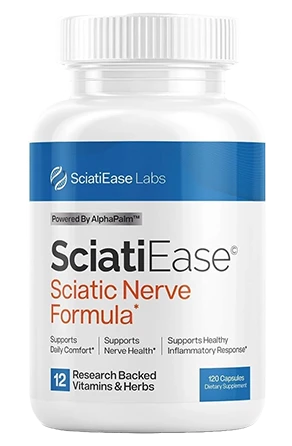
While glucosamine is a cornerstone for disc health, its efficacy can be significantly enhanced when combined with other powerful, natural ingredients that target various aspects of back pain and spinal support. Many comprehensive formulas, like Sciatiease, leverage this synergy to provide more complete relief.
Glucosamine Sulfate
Essential for building and repairing cartilage, maintaining disc hydration, and supporting overall joint structure. Its sulfate form is particularly beneficial for cartilage matrix synthesis.
Chondroitin Sulfate
Works synergistically with glucosamine to attract fluid into spinal discs, enhancing their shock-absorbing capabilities and elasticity. It also inhibits enzymes that break down cartilage.
MSM (Methylsulfonylmethane)
A natural sulfur compound known for its anti-inflammatory and analgesic properties. MSM is crucial for reducing pain and swelling around affected nerves and tissues, supporting connective tissue health.
Turmeric (Curcumin)
A potent anti-inflammatory agent that targets multiple inflammation pathways. Curcumin, the active compound in turmeric, offers significant relief from chronic pain associated with disc issues and nerve irritation.
Boswellia Serrata Extract
An ancient Ayurvedic herb celebrated for its powerful anti-inflammatory effects. Boswellia helps to reduce swelling and improve comfort in the spinal region by inhibiting pro-inflammatory enzymes.
Ginger Root Extract
Known for its natural anti-inflammatory and pain-relieving properties, ginger can help soothe muscular aches and nerve discomfort in the lower back, providing a warming analgesic effect.
Quercetin
A powerful flavonoid with antioxidant and anti-inflammatory benefits. Quercetin can protect cells from oxidative damage and further reduce inflammatory responses contributing to back pain and nerve irritation.
Hyaluronic Acid
A key component of synovial fluid and connective tissues, it helps lubricate joints and maintain the viscosity and elasticity of spinal discs, contributing to overall spinal flexibility and hydration.
Making an Informed Choice: Choosing the Right Supplement for Back Pain
With numerous supplements on the market, selecting one that genuinely supports your spinal health and back pain relief requires careful consideration.
When considering a glucosamine supplement for back pain, it's essential to look beyond just the presence of the ingredient. Here are key factors to consider:
- Form of Glucosamine: As discussed, Glucosamine Sulfate is often preferred due to its specific sulfur content, which is vital for cartilage health. Ensure the supplement specifies the form used.
- Dosage: Effective dosages typically range from 1500 mg per day for Glucosamine Sulfate. Check the label to ensure you're getting a clinically relevant amount.
- Synergistic Ingredients: The most effective supplements often combine glucosamine with other ingredients known to support joint and spinal health. Look for formulas that include Chondroitin, MSM, Turmeric (Curcumin), Boswellia, and other anti-inflammatory compounds. These ingredients work together to provide comprehensive support for disc integrity, inflammation reduction, and pain relief.
- Purity and Quality: Choose supplements from reputable manufacturers that adhere to strict quality control standards. Look for products that are third-party tested for purity and potency, and manufactured in GMP (Good Manufacturing Practice) certified facilities. This ensures you're getting what's stated on the label, free from contaminants.
- Absorption: Some formulations are designed for better absorption, which is critical for the ingredients to reach the targeted tissues effectively.
- Natural and Non-GMO: Opt for supplements made with natural, non-GMO ingredients to minimize exposure to synthetic additives and potential allergens.
Remember, supplements are not a substitute for professional medical advice. Always consult your physician before beginning any new supplement regimen, especially if you have a medical condition, are pregnant or breastfeeding, or are taking other medications. A healthcare professional can help you determine if glucosamine is appropriate for your specific condition and can guide you on proper dosage and potential interactions.
For those exploring a comprehensive approach, many individuals find relief by combining targeted supplementation with lifestyle adjustments. For instance, paying attention to optimizing sleep positions for sciatica relief can complement the internal support provided by nutrients. Additionally, exploring a range of natural remedies for lower back nerve pain can provide a broader spectrum of options for managing discomfort. If you're considering a supplement that combines these beneficial ingredients, you might want to learn more about where to buy Sciatiease to ensure you're getting an authentic and high-quality product.
By making an informed choice and integrating glucosamine into a holistic health plan, you can take proactive steps towards supporting your spinal discs and finding lasting relief from lower back pain and sciatica. The goal is not just to mask the pain but to nurture the underlying health of your spine for long-term well-being.
Experience the Difference with Sciatiease: Targeted Support for Your Spine
Sciatiease is formulated with a powerful blend of natural ingredients, including Glucosamine Sulfate, Chondroitin, and MSM, designed to support spinal disc health, reduce inflammation, and alleviate lower back pain and sciatica. Don't let back pain control your life any longer.
- Supports healthy spinal disc hydration and integrity.
- Potent anti-inflammatory properties to soothe nerve pain.
- Promotes flexibility and mobility in the lower back.
- All-natural, non-GMO ingredients for safe daily use.
- Manufactured in a GMP-certified facility in the USA.




Real Stories of Relief: Sciatiease Users Share Their Experience
"Sciatiease has been a game-changer for my chronic lower back pain. I've tried many things, but after a few weeks, I felt a significant reduction in stiffness and discomfort. I can finally enjoy walks again!"
"My sciatica used to keep me up at night. Since starting Sciatiease, the shooting pain down my leg has calmed down considerably. It’s not a miracle, but it's the closest I've come to consistent relief."
"I was skeptical about supplements for disc issues, but my doctor suggested trying glucosamine. Sciatiease combined it with other great ingredients. My chiropractor even noted improvement in my spinal flexibility. Highly recommend!"
Frequently Asked Questions
How does glucosamine specifically help spinal discs?
+Glucosamine is a fundamental building block for glycosaminoglycans and proteoglycans, which are crucial components of cartilage and spinal discs. It helps these tissues attract and retain water, keeping the discs hydrated, plump, and flexible. This hydration is vital for the discs' shock-absorbing function and overall integrity.
Can glucosamine really relieve sciatica pain?
+While glucosamine doesn't directly "cure" sciatica, its ability to support disc health and reduce inflammation can indirectly alleviate sciatica symptoms. By improving disc integrity, it may reduce pressure on nerves, and its anti-inflammatory properties can calm irritated nerve roots, which are often the cause of sciatica pain.
How long does it take to see results from glucosamine for back pain?
+The effects of glucosamine are typically not immediate. As it works by supporting the body's natural repair and maintenance processes, it can take several weeks to a few months (e.g., 4-12 weeks) of consistent use to notice significant improvements in spinal disc health and a reduction in back pain or sciatica symptoms.
Is Sciatiease just glucosamine, or does it contain other ingredients?
+Sciatiease is a comprehensive formula designed for spinal health. While it contains a substantial dose of Glucosamine Sulfate, it also includes other synergistic ingredients like Chondroitin Sulfate, MSM, Turmeric, Boswellia Serrata, and Ginger Root Extract, all chosen for their anti-inflammatory and cartilage-supporting properties.
Are there any side effects associated with glucosamine or Sciatiease?
+Glucosamine is generally well-tolerated. Some individuals might experience mild side effects such as nausea, heartburn, diarrhea, or constipation. Sciatiease uses natural ingredients, but it's always recommended to consult your healthcare provider before starting any new supplement, especially if you have allergies, underlying medical conditions, or are taking other medications.
Where can I purchase Sciatiease?
+Sciatiease is exclusively available for purchase through its official website to ensure authenticity and the best possible pricing. You can visit the official website by clicking on any of the "Order Now" buttons throughout this article to explore current offers and guarantee information.
Related Articles