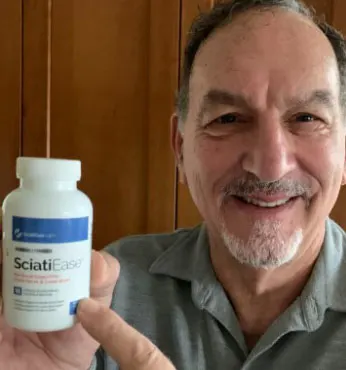
Are you tired of sciatica pain controlling your life?
The relentless burning, tingling, and shooting pain down your leg can be debilitating, making everyday tasks feel impossible. While many factors contribute to sciatica and lower back pain, one often overlooked yet profoundly impactful element is your diet.
Imagine a life where your food choices actively work to reduce inflammation, soothe irritated nerves, and promote healing. This isn't a fantasy; it's the power of an anti-inflammatory diet tailored for sciatica relief, and it's a strategy that could revolutionize your journey to comfort and mobility.
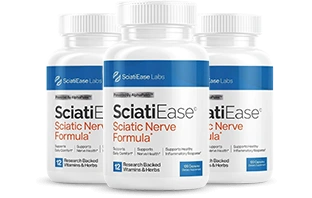
Understanding the Sciatica-Inflammation Connection
Sciatica is more than just pain; it's a symptom of an underlying issue affecting the sciatic nerve, the longest nerve in your body. This nerve extends from your lower back, through your hips and buttocks, and down each leg. When it becomes compressed, irritated, or inflamed, you experience the characteristic symptoms of sciatica.
While herniated discs are a common culprit, inflammation plays a significant role in exacerbating the pain and discomfort associated with sciatica. When your body is in a constant state of low-grade inflammation, it can lead to swelling, irritation, and increased sensitivity around the sciatic nerve. This inflammatory response can be triggered or worsened by various factors, including stress, lack of exercise, and, crucially, your dietary choices.
Think of inflammation as your body's natural defense mechanism. When you cut yourself, inflammation helps heal the wound. However, chronic inflammation, often fueled by poor diet and lifestyle, turns this protective mechanism into a destructive force. It can lead to tissue damage, nerve irritation, and persistent pain, making your sciatica symptoms much harder to manage. By understanding this connection, we can actively work to reduce inflammation through a targeted diet, thereby alleviating sciatic pain and promoting long-term healing.
💡 Key Takeaway
Chronic inflammation, often driven by diet, significantly worsens sciatica pain by irritating the sciatic nerve. An anti-inflammatory diet is a powerful tool to calm this response and reduce discomfort.
The Principles of an Anti-Inflammatory Diet
An anti-inflammatory diet isn't about deprivation; it's about making conscious choices to nourish your body with foods that fight inflammation, support healing, and promote overall well-being. This dietary approach focuses on whole, unprocessed foods rich in antioxidants, omega-3 fatty acids, and essential vitamins and minerals.
Reduce Systemic Inflammation
The primary goal is to lower inflammatory markers throughout your body. By cutting out inflammatory triggers and introducing healing foods, you can decrease the swelling and irritation around your sciatic nerve, leading to pain reduction.
Support Nerve Health
Certain nutrients are vital for nerve function and repair. An anti-inflammatory diet provides these crucial building blocks, helping to protect nerve cells from damage and promote their regeneration. This is particularly important for a compromised sciatic nerve.
Boost Antioxidant Intake
Antioxidants combat oxidative stress, which can contribute to inflammation and cellular damage. Foods rich in antioxidants act as a shield, protecting your cells, including nerve cells, from harmful free radicals and supporting their optimal function.
Aid in Weight Management
Excess body weight, especially around the abdomen, can put additional strain on your lower back and spine, potentially worsening sciatica. An anti-inflammatory diet, rich in fiber and lean protein, can support healthy weight management, thereby reducing pressure on your sciatic nerve.
Improve Gut Health
A healthy gut microbiome is increasingly linked to reduced systemic inflammation. An anti-inflammatory diet, often rich in prebiotics and probiotics, fosters a balanced gut environment, which can have far-reaching positive effects on your body's inflammatory response and overall health.
The Power Plate: Anti-Inflammatory Foods to Embrace
Filling your plate with these nutrient-dense foods is your first line of defense against sciatica-related inflammation. Incorporate them regularly to build a foundation for nerve health and pain relief.
1. Omega-3 Rich Fatty Fish: Salmon, mackerel, sardines, and trout are packed with EPA and DHA, powerful omega-3 fatty acids known for their anti-inflammatory properties. These fats can help reduce the production of inflammatory compounds in your body. Aim for at least two servings per week.
2. Colorful Fruits: Berries (strawberries, blueberries, raspberries), cherries, oranges, and pomegranates are bursting with antioxidants, especially anthocyanins and vitamin C. These compounds neutralize free radicals and reduce oxidative stress, which contributes to inflammation. Enjoy them fresh, frozen, or in smoothies.
3. Leafy Green Vegetables: Spinach, kale, collard greens, and Swiss chard are nutritional powerhouses. They are rich in vitamins A, C, and K, as well as potent antioxidants that combat inflammation. Include them in salads, stir-fries, or as a side dish with every meal.
4. Whole Grains: Opt for whole grains like oats, quinoa, brown rice, and whole-wheat bread instead of refined grains. They are high in fiber, which helps reduce C-reactive protein (a marker of inflammation) in the blood. Fiber also supports gut health, another key factor in managing inflammation.
5. Healthy Fats: Extra virgin olive oil, avocados, and nuts (almonds, walnuts) provide monounsaturated and polyunsaturated fats that have anti-inflammatory effects. Olive oil, in particular, contains oleocanthal, a compound with similar anti-inflammatory properties to ibuprofen. Use them in moderation for cooking and dressing.
6. Spices and Herbs: Turmeric, ginger, garlic, and rosemary are not just flavor enhancers; they are potent anti-inflammatory agents. Turmeric contains curcumin, a compound extensively studied for its ability to reduce inflammation. Ginger has gingerols that possess powerful medicinal properties. Incorporate these into your cooking daily.
7. Lean Proteins: Chicken, turkey, and legumes (beans, lentils) provide essential amino acids for tissue repair without the inflammatory fats often found in red and processed meats. Protein is crucial for muscle health, which supports spinal stability and reduces pressure on the sciatic nerve.
8. Green Tea: Rich in polyphenols, particularly epigallocatechin gallate (EGCG), green tea is a powerful anti-inflammatory beverage. Regular consumption can help reduce inflammatory markers and improve overall health. Enjoy it unsweetened, hot or cold.
By prioritizing these foods, you're not just eating for sustenance; you're eating to heal. For additional support in nerve health, you might consider exploring supplements that offer specific vitamins for lower back pain, which can complement your dietary efforts.
💡 Key Takeaway
Focus on Omega-3 rich fish, colorful fruits, leafy greens, whole grains, healthy fats, and anti-inflammatory spices like turmeric to actively combat inflammation and support nerve healing.
Foods to Limit or Avoid: The Inflammatory Triggers
Just as certain foods can heal, others can harm. To effectively manage sciatica pain, it's equally important to identify and reduce your intake of foods that promote inflammation.
Processed Foods & Refined Carbs
Foods like white bread, pasta, pastries, and most packaged snacks are high in refined sugars and flours. These quickly convert to glucose in the body, leading to spikes in blood sugar and a cascade of inflammatory responses.
Sugary Drinks & Sweets
Sodas, fruit juices with added sugar, candies, and desserts are major sources of added sugars. High sugar intake is a direct contributor to systemic inflammation and can worsen nerve pain.
Red & Processed Meats
Bacon, sausages, hot dogs, and some cuts of red meat are high in saturated fats and compounds that can promote inflammation. Opt for leaner protein sources like fish, poultry, or legumes.
Trans Fats & Unhealthy Oils
Found in fried foods, fast food, margarine, and many commercially baked goods, trans fats (partially hydrogenated oils) are highly inflammatory. Vegetable oils high in omega-6s (like corn, soybean, sunflower oil) can also be pro-inflammatory when consumed in excess relative to omega-3s.
Excessive Alcohol
While moderate alcohol consumption might have some benefits, excessive intake can lead to increased inflammation throughout the body, including nerve tissues. It can also interfere with sleep and medication effectiveness.
Dairy Products (for some)
For individuals sensitive to dairy, it can trigger inflammatory responses. If you suspect dairy might be a trigger for you, try eliminating it for a few weeks to see if your symptoms improve.
By consciously reducing or eliminating these inflammatory triggers, you give your body a chance to calm its immune response, leading to a significant reduction in sciatica and lower back pain.
Beyond Food: Hydration and Lifestyle's Role
While diet is a cornerstone of managing sciatica, it's part of a larger picture. Hydration and other lifestyle factors significantly impact your body's inflammatory state and overall nerve health.
The Importance of Hydration
Water is essential for every bodily function, including lubricating joints, maintaining disc health in your spine, and flushing out toxins. Dehydration can exacerbate inflammation and make muscles stiff, potentially increasing pressure on the sciatic nerve. Aim for at least 8-10 glasses of water daily. Herbal teas and water-rich fruits and vegetables also contribute to your hydration goals.
The Role of Exercise and Movement
Regular, gentle exercise is crucial for sciatica relief. It strengthens core muscles, improves flexibility, and enhances blood flow to the affected area, which helps reduce inflammation and promotes healing. Activities like walking, swimming, yoga, and specific stretching exercises for sciatica are highly beneficial. Consult with a physical therapist to find an appropriate exercise regimen for your condition.
Stress Management
Chronic stress can trigger and intensify inflammatory responses in the body. When you're stressed, your body releases hormones like cortisol, which, in excess, can contribute to systemic inflammation. Incorporate stress-reducing techniques into your daily routine, such as meditation, deep breathing exercises, mindfulness, or spending time in nature. Reducing stress can have a profound impact on your pain levels.
Quality Sleep
Sleep is your body's time to repair and regenerate. Poor sleep can disrupt hormone balance, increase inflammation, and lower your pain threshold. Aim for 7-9 hours of quality sleep each night. Create a comfortable sleep environment, stick to a regular sleep schedule, and avoid screens before bedtime to optimize your sleep hygiene.
By combining an anti-inflammatory diet with these critical lifestyle adjustments, you create a comprehensive strategy for managing and alleviating sciatica and lower back pain. Many individuals have found significant relief and improved quality of life by adopting these holistic practices. For more insights on natural solutions, you can read about sciatic nerve support vitamins.
💡 Key Takeaway
Beyond diet, staying hydrated, engaging in gentle exercise, managing stress, and prioritizing quality sleep are essential for reducing inflammation and supporting overall recovery from sciatica.
How Sciatiease Supports Your Anti-Inflammatory Journey
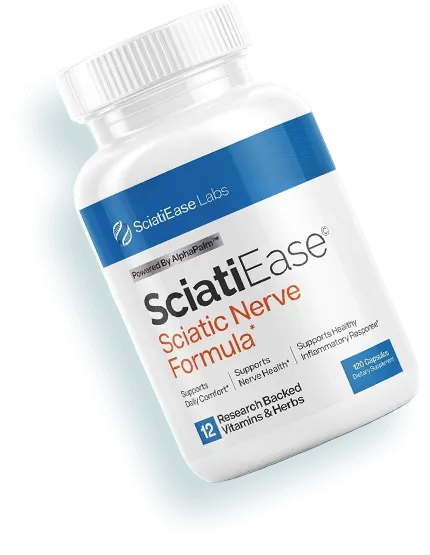
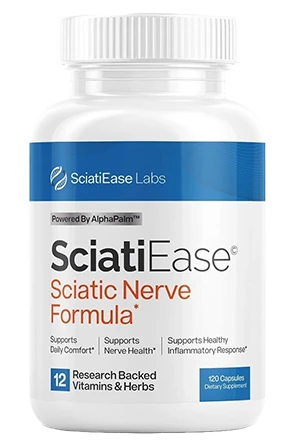
While a targeted diet forms the foundation, sometimes your body needs an extra boost to combat persistent inflammation and support nerve health. This is where a carefully formulated supplement like Sciatiease can play a supportive role, working synergistically with your dietary changes.
Alpha-Lipoic Acid (ALA)
Role: A powerful antioxidant that helps protect nerve cells from oxidative damage and can reduce neuropathic pain. It also supports healthy nerve function and blood flow.
Turmeric (Curcumin)
Role: Widely recognized for its potent anti-inflammatory properties, curcumin helps to reduce swelling and pain by inhibiting inflammatory pathways in the body. It's a natural alternative to NSAIDs for many.
Boswellia Serrata
Role: An ancient herb known for its anti-inflammatory effects, particularly effective in reducing joint and nerve inflammation without significant side effects.
Ginger Root Extract
Role: Contains bioactive compounds like gingerols that have strong anti-inflammatory and antioxidant effects, helping to alleviate pain and discomfort.
B Vitamins (B1, B6, B12)
Role: Essential for nerve health and function. They help in nerve regeneration, reduce nerve pain, and support the myelin sheath that protects nerve fibers. Deficiencies can exacerbate nerve issues.
Magnesium
Role: A crucial mineral involved in muscle relaxation and nerve function. Magnesium deficiency can contribute to muscle spasms and nerve sensitivity, making pain worse.
Sciatiease is designed to provide targeted support to the sciatic nerve and surrounding tissues, helping to reduce inflammation, alleviate pain, and promote healing from within. It complements your anti-inflammatory diet by ensuring your body receives a concentrated dose of key nutrients known to combat nerve pain and inflammation. For more information on real user experiences, you can check out sciatiease-reviews-real-results.html.
Experience Targeted Relief with Sciatiease
Don't let sciatica control your life any longer. Sciatiease offers a natural, powerful blend of ingredients specifically chosen to combat inflammation and support nerve health, providing the relief you deserve.
- ✓ Reduces nerve inflammation and pain
- ✓ Supports healthy nerve function
- ✓ Made with all-natural, clinically studied ingredients
- ✓ Non-GMO, gluten-free, and proudly made in the USA
- ✓ Backed by a 60-day 100% money-back guarantee




What Our Customers Say
"I've struggled with sciatica for years, and nothing seemed to help until I started combining Sciatiease with a healthier diet. The difference is incredible. My pain has significantly reduced, and I feel more energetic than ever. Highly recommend this approach!"
"Changing my diet was hard, but Sciatiease made the journey easier. Within a few weeks, the constant throbbing in my lower back and leg started to subside. It's not a magic bullet, but with diet, it's a game-changer. I'm finally getting my life back."
"As someone who prefers natural remedies, the anti-inflammatory diet and Sciatiease were perfect. I've seen a noticeable improvement in my sciatica symptoms. The combination has given me hope and practical tools to manage my pain effectively."
Frequently Asked Questions
How does diet specifically impact sciatica pain?
+Diet plays a crucial role in managing sciatica by influencing systemic inflammation. Many cases of sciatica are exacerbated by inflammation around the sciatic nerve. Foods high in sugar, unhealthy fats, and processed ingredients can increase inflammatory markers in the body, potentially worsening nerve irritation and pain. Conversely, an anti-inflammatory diet, rich in antioxidants and healthy fats, can help reduce inflammation, alleviate pressure on the nerve, and promote faster healing.
What are the top anti-inflammatory foods recommended for sciatica?
+For sciatica and lower back pain, focus on foods known for their powerful anti-inflammatory properties. These include fatty fish (salmon, mackerel) rich in Omega-3s, colorful fruits (berries, cherries, oranges), leafy green vegetables (spinach, kale), nuts and seeds (almonds, walnuts, flaxseeds), olive oil, and spices like turmeric and ginger. These foods provide essential nutrients and compounds that combat inflammation and support overall nerve health.
Are there any foods I should strictly avoid if I have sciatica?
+Yes, certain foods can trigger or worsen inflammation, making sciatica pain more intense. It's advisable to limit or avoid highly processed foods, sugary drinks, refined carbohydrates (white bread, pasta), red and processed meats, fried foods, and trans fats. Excessive alcohol consumption can also contribute to inflammation. Making these dietary changes can significantly reduce inflammatory responses in your body.
How long does it take to see results from an anti-inflammatory diet for sciatica?
+The timeline for seeing results can vary greatly among individuals, depending on the severity of sciatica, adherence to the diet, and other lifestyle factors. Some people may notice improvements in a few weeks, while for others, it might take a couple of months to experience significant relief. Consistency is key, and combining dietary changes with other treatments, like targeted exercises and supplements, can often accelerate the process.
Can an anti-inflammatory diet replace other sciatica treatments like medication or physical therapy?
+While an anti-inflammatory diet is a powerful tool for managing sciatica and promoting healing, it is generally considered a complementary approach, not a replacement for medical treatments. It works best when integrated into a comprehensive treatment plan that may include physical therapy, medication, targeted exercises, and lifestyle adjustments. Always consult with your doctor or a healthcare professional to determine the best course of action for your specific condition.
How can Sciatiease support an anti-inflammatory diet for nerve pain?
+Sciatiease is formulated with a blend of natural ingredients known for their anti-inflammatory and nerve-supporting properties. Ingredients like Alpha-Lipoic Acid, Turmeric, and various B vitamins work synergistically to help reduce inflammation, protect nerve cells, and support overall neurological health. When combined with an anti-inflammatory diet, Sciatiease can provide enhanced support, helping to soothe nerve pain and promote faster recovery from sciatica and lower back discomfort.
Related Articles