Are you tired of the debilitating pain of sciatica disrupting your life?
Sciatica, characterized by radiating pain, numbness, or weakness from the lower back down the leg, affects millions worldwide. Often, this agonizing condition stems from pressure or irritation of the sciatic nerve, frequently due to issues in the lumbar spine. While various factors contribute to sciatica, a weak core is a significant, yet often overlooked, culprit that exacerbates vulnerability and delays recovery.
Imagine a life where you can move freely, without the constant dread of a sharp, shooting pain. This isn't just a dream; it's a tangible reality that begins with understanding and strengthening your body's central powerhouse: your core. A robust core acts as your body's natural brace, providing crucial support for your spine, improving posture, and significantly reducing the risk of nerve compression. By proactively engaging in targeted core strengthening exercises, you can build a formidable defense against sciatica, transforming your physical well-being and reclaiming your quality of life.

Understanding Sciatica and Its Connection to Your Core
Before diving into solutions, it's crucial to grasp what sciatica is and why your core muscles are its natural adversaries.
Sciatica is not a condition in itself, but rather a symptom of an underlying problem affecting the sciatic nerve. This nerve, the longest and thickest in your body, originates in the lower back, branches through the hips, and runs down each leg. When it becomes compressed, irritated, or inflamed, it can lead to the characteristic symptoms: a sharp, shooting pain, numbness, tingling, or weakness that radiates along its path. Common causes include a herniated disc, spinal stenosis, piriformis syndrome, or even degenerative disc disease.
The core, often misunderstood as just the abdominal muscles, is a complex network of muscles that wraps around your trunk. It includes the transverse abdominis, multifidus, erector spinae, obliques, diaphragm, and pelvic floor muscles. These muscles work in concert to stabilize your spine, transfer force between your upper and lower body, and maintain proper posture. Think of your core as the central pillar of your body, providing stability and support for everything you do.
When these core muscles are weak or imbalanced, your spine loses its crucial support system. This can lead to increased stress on the vertebral discs, ligaments, and nerves in your lower back. Poor core strength often results in a slouched posture, excessive arching of the lower back, or an inability to properly brace during movements like lifting or twisting. These biomechanical inefficiencies significantly increase the risk of disc bulging, herniation, and subsequent sciatic nerve compression. Essentially, a weak core leaves your spine vulnerable, making you more susceptible to the very issues that trigger sciatica.
Conversely, a strong and well-conditioned core creates a stable foundation for your spine. It helps to maintain the natural curvature of your back, evenly distribute pressure across your intervertebral discs, and reduce excessive movement that could irritate the sciatic nerve. By engaging these muscles, you create an internal corset that protects your lumbar spine, allowing it to withstand daily stresses and movements without compromising nerve health. Therefore, strengthening your core is not just about aesthetics; it's a fundamental strategy for spinal health and sciatica prevention.
💡 Key Takeaway
A strong core is your body's natural defense against sciatica. It stabilizes the spine, improves posture, and reduces the risk of nerve compression by acting as an internal brace, protecting your lower back from the stresses of daily life.
The Pillars of Effective Core Strengthening for Sciatica Prevention
Building a core strong enough to prevent sciatica requires a strategic approach that goes beyond just crunches. It involves understanding the different functions of your core muscles and targeting them with a variety of exercises.
Spinal Stabilization
Exercises that focus on spinal stabilization teach your core muscles to hold your spine in a neutral, protected position. This is crucial for preventing excessive movement that can irritate the sciatic nerve. Think of these as your body's internal shock absorbers, providing constant support.
Improved Posture
A strong core naturally pulls your body into better alignment, reducing slouching and excessive lumbar lordosis (over-arching of the lower back), both of which can contribute to sciatic nerve compression. Good posture minimizes strain on spinal structures throughout the day, whether you're sitting, standing, or lifting.
Enhanced Mobility and Flexibility
While strengthening, it's also important to maintain flexibility in the surrounding muscles, like the hips and hamstrings, which can influence sciatic nerve tension. A balanced approach ensures that your core is not just strong but also allows for healthy, pain-free movement, preventing stiffness that can worsen sciatica.
Reduced Muscle Imbalances
Often, sciatica can be aggravated by imbalances where some muscles are too tight or too weak. Targeted core exercises help to correct these imbalances, ensuring that all supporting muscles work harmoniously. This balanced strength prevents certain areas from being overworked and becoming sources of pain or nerve irritation.
Better Body Mechanics
With a strong core, you naturally adopt safer movement patterns for daily tasks. Lifting heavy objects, bending, or twisting becomes less risky because your core provides the necessary stability and power, reducing the likelihood of sudden injury or chronic strain on your lower back and sciatic nerve.
Essential Core Strengthening Exercises for Sciatica Prevention
Here are some highly effective exercises that target key core muscles to build a resilient spine and prevent sciatica. Remember to perform these with proper form and listen to your body.
1. Pelvic Tilts
This gentle exercise is excellent for beginners and helps to activate the deep abdominal muscles and improve lumbar spine mobility. It's a foundational movement for understanding how to engage your core.
- How to: Lie on your back with knees bent, feet flat on the floor, and arms by your sides. Gently flatten your lower back against the floor by tightening your abdominal muscles and tilting your pelvis upwards. You should feel your tailbone lift slightly. Hold for 5-10 seconds, then release.
- Benefits: Strengthens deep core muscles, improves lower back awareness, and reduces excessive lumbar arch.
- Repetitions: 10-15 repetitions, 2-3 sets.
2. Bird-Dog
The bird-dog is a fantastic exercise for improving spinal stability, balance, and coordinating core muscles. It teaches your core to resist rotation and extension, which is crucial for protecting the sciatic nerve.
- How to: Start on your hands and knees, with hands directly under shoulders and knees under hips. Keep your back flat and core engaged. Slowly extend one arm straight forward and the opposite leg straight back, keeping your hips level and avoiding arching your back. Hold for 5-10 seconds, then return to the starting position.
- Benefits: Enhances spinal stability, strengthens glutes and lower back, improves balance and coordination.
- Repetitions: 8-12 repetitions per side, 2-3 sets.
3. Plank
The plank is a cornerstone of core strengthening, engaging multiple core muscles simultaneously to build isometric strength and endurance. It's essential for creating a stable trunk.
- How to: Start in a push-up position, then lower onto your forearms, keeping your body in a straight line from head to heels. Engage your abdominal muscles, glutes, and quadriceps. Avoid letting your hips sag or rise too high.
- Benefits: Builds full-body core strength, improves posture, and increases endurance in stabilizing muscles.
- Duration: Hold for 30-60 seconds, 2-3 sets. Increase duration as strength improves.
4. Side Plank
The side plank targets the oblique muscles and quadratus lumborum, which are vital for lateral spinal stability and preventing imbalances that can contribute to sciatica.
- How to: Lie on your side, supporting your body on one forearm and the side of your foot. Keep your body in a straight line from head to heels, lifting your hips off the floor. Engage your core and glutes.
- Benefits: Strengthens obliques, improves lateral stability, and supports spinal alignment.
- Duration: Hold for 20-40 seconds per side, 2-3 sets.
5. Glute Bridges
While primarily a glute exercise, glute bridges also engage the core to stabilize the pelvis and lumbar spine, which is incredibly important for lower back health and relieving pressure on the sciatic nerve.
- How to: Lie on your back with knees bent, feet flat on the floor hip-width apart, and arms by your sides. Press through your heels and lift your hips off the floor until your body forms a straight line from shoulders to knees. Squeeze your glutes at the top. Lower slowly.
- Benefits: Strengthens glutes, hamstrings, and lower back stabilizers, improving pelvic stability.
- Repetitions: 12-15 repetitions, 2-3 sets.
For individuals dealing with active sciatica pain, it is paramount to approach exercise with caution. Some movements might aggravate symptoms. In such cases, gentle stretching and specific pain-relieving movements might be more appropriate. You can read more about managing acute pain at home in our article on how to reduce sciatica pain at home.
Important Considerations for Your Core Strengthening Routine
To maximize the benefits of your core strengthening program and ensure safety, keep these points in mind.
Consistency is Key
Just like any muscle, your core needs regular stimulation to grow stronger. Aim for 3-5 sessions per week. Short, consistent workouts are far more effective than sporadic, intense ones. Make it a habit, and your spine will thank you.
Focus on Form, Not Quantity
Performing exercises with incorrect form can be detrimental, potentially leading to injury or exacerbating existing conditions. Always prioritize quality over quantity. If you're unsure, watch instructional videos or consult a physical therapist. Proper engagement of the correct muscles is paramount.
Listen to Your Body
Pain is your body's way of signaling that something is wrong. If an exercise causes sharp or radiating pain, stop immediately. It's okay to modify exercises or skip them if they don't feel right. Progress gradually, and don't push through discomfort, especially with sciatica.
Consult a Professional
Before starting any new exercise program, especially if you have a history of sciatica or other back problems, consult with your doctor or a physical therapist. They can provide personalized recommendations and ensure the exercises are appropriate for your specific condition.
Integrate Breathing
Proper breathing techniques, particularly diaphragmatic breathing, can enhance core activation and stability. Focus on breathing deeply into your belly, rather than shallow chest breaths, as you perform your exercises. This also aids in relaxation and reduces tension.
Progress Gradually
Don't try to do too much too soon. Start with fewer repetitions or shorter holds, and gradually increase as your strength improves. There are many variations of core exercises, from beginner to advanced, allowing for continuous progression without plateauing.
Beyond Exercises: A Holistic Approach to Sciatica Prevention
While core strengthening is fundamental, a truly effective sciatica prevention strategy involves a broader approach to your overall health and lifestyle.
Maintain a Healthy Weight
Excess body weight, particularly around the abdomen, places additional strain on your lower back and spinal discs. This increased pressure can exacerbate existing spinal issues or contribute to new ones, increasing the risk of sciatic nerve compression. Losing even a modest amount of weight can significantly reduce this load, providing relief to your spine and supporting structures.
Practice Good Posture
Whether you're sitting, standing, or lifting, maintaining proper posture is crucial. Slouching or hunching can put undue stress on your lumbar spine. When sitting, ensure your feet are flat on the floor, your back is supported, and your shoulders are relaxed. When standing, distribute your weight evenly and keep your spine in a neutral position. Awareness and correction of habitual poor posture can make a significant difference.
Ergonomic Workspace
If you spend many hours at a desk, invest in an ergonomic chair, monitor, and keyboard. Ensure your screen is at eye level, your wrists are neutral, and your chair provides adequate lumbar support. Regular breaks to stand, stretch, and walk around are also vital to prevent stiffness and reduce spinal compression. Consider a standing desk to alternate between sitting and standing throughout the day.
Regular Movement and Stretching
Incorporating low-impact aerobic activities like walking, swimming, or cycling into your routine helps maintain overall fitness, circulation, and joint health without stressing your spine. Gentle stretching, particularly for the hamstrings, hip flexors, and piriformis muscle, can also alleviate tension that might contribute to sciatic nerve irritation. For some, alternating between heat and cold therapy can provide additional relief and muscle relaxation.
Hydration and Nutrition
Staying well-hydrated is important for the health of your intervertebral discs, which are largely composed of water. A balanced diet rich in anti-inflammatory foods can also help manage systemic inflammation, which can be a factor in nerve pain. Focus on whole foods, lean proteins, fruits, and vegetables.
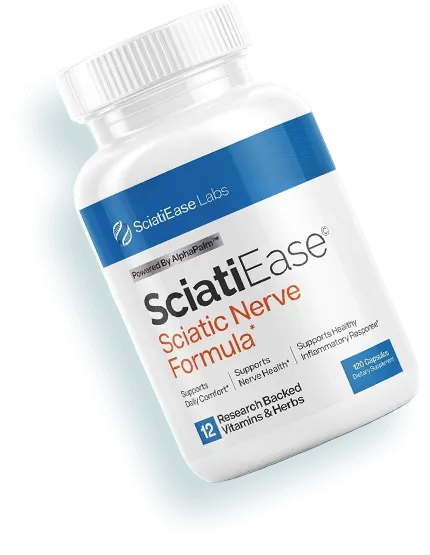
Supporting Your Body: Understanding Sciatiease
While core strengthening and lifestyle adjustments are paramount for long-term sciatica prevention, certain natural supplements can offer complementary support, especially when dealing with inflammation and nerve discomfort. Sciatiease is formulated with ingredients known for their potential benefits in supporting nerve health and reducing inflammatory responses.
Alpha-Lipoic Acid (ALA)
Role: A powerful antioxidant that helps protect nerves from oxidative damage and can improve nerve function. It's often studied for its role in neuropathic pain management.
Turmeric (Curcumin)
Role: Known for its potent anti-inflammatory properties, curcumin can help reduce inflammation around the sciatic nerve, potentially easing pain and discomfort.
Methylsulfonylmethane (MSM)
Role: A natural sulfur compound that supports joint and connective tissue health. It may help reduce inflammation and pain, contributing to overall comfort.
Acetyl-L-Carnitine (ALCAR)
Role: An amino acid derivative that supports nerve regeneration and reduces nerve pain, particularly in conditions involving nerve damage.
Benfotiamine (Vitamin B1)
Role: A lipid-soluble form of Vitamin B1, more bioavailable than traditional thiamine. It supports nerve health and can help alleviate neuropathic pain.
R-Alpha Lipoic Acid (R-ALA)
Role: The naturally occurring and more potent form of Alpha-Lipoic Acid, offering enhanced antioxidant benefits and nerve protection.
Folic Acid (Vitamin B9)
Role: Essential for nerve tissue repair and function. Adequate folate levels are crucial for overall neurological health.
Vitamins B6 & B12
Role: Crucial for nerve health and function. B6 helps with neurotransmitter production, while B12 is vital for myelin sheath formation, protecting nerve fibers.
These ingredients are selected for their roles in supporting nerve health, reducing inflammation, and providing antioxidant protection. While Sciatiease is designed to complement a healthy lifestyle, it's important to remember that supplements are not a substitute for medical advice, proper exercise, or a balanced diet. Always consult your healthcare provider before adding any new supplement to your regimen, especially if you have existing health conditions or are taking other medications. For a detailed breakdown of all ingredients and their scientific backing, you can visit our dedicated page on Sciatiease ingredients.
Ready to Experience Life Without Sciatica?
Don't let sciatica dictate your life any longer. Combine the power of targeted core strengthening exercises with the natural support of Sciatiease. Our carefully formulated supplement is designed to complement your efforts, helping to reduce nerve pain and inflammation so you can move more freely and continue building a stronger, more resilient body.
- ✓ Supports nerve health and function
- ✓ Helps reduce inflammation and discomfort
- ✓ Made with 100% natural, premium ingredients
- ✓ Manufactured in a GMP-certified facility in the USA
- ✓ Backed by a 60-day money-back guarantee




What Our Customers Say
"I've struggled with sciatica for years, making even simple core exercises painful. Since I started taking Sciatiease, I've noticed a significant reduction in nerve discomfort. This has allowed me to consistently do my strengthening routine, and I feel so much better. It's truly a game-changer!"
"My physical therapist recommended strengthening my core to prevent future sciatica flare-ups. Sciatiease has been a great addition to my regimen. The constant tingling used to make it hard to focus on my exercises, but now I can perform them with less distraction. Highly recommend for anyone serious about prevention."
"I was skeptical at first, but after a few weeks of consistent core work and Sciatiease, my lower back feels stronger and the occasional sciatic twinge has almost vanished. It's given me the confidence to get back to my active lifestyle without fear of pain. This product delivers!"
Frequently Asked Questions
What role does core strength play in preventing sciatica?
+A strong core provides essential support for your spine, reducing strain on the lower back and sciatic nerve. It improves posture, stability, and helps maintain proper alignment, which can prevent nerve compression and irritation that often lead to sciatica.
How often should I perform core strengthening exercises for sciatica prevention?
+For optimal sciatica prevention, aim for 3-5 core strengthening sessions per week. Consistency is key, allowing your muscles to build endurance and strength over time. Always listen to your body and rest when needed.
Are there any core exercises I should avoid if I already have sciatica?
+If you currently experience sciatica, it's crucial to consult with a healthcare professional or physical therapist before starting any new exercise regimen. High-impact exercises, deep spinal twists, or exercises that significantly increase leg pain should generally be avoided until your condition improves and a professional clears them.
Can core exercises help alleviate existing sciatica pain?
+Yes, carefully selected and properly performed core exercises can help alleviate existing sciatica pain by stabilizing the spine, decompressing nerves, and improving flexibility. However, it's vital to start with gentle movements and gradually progress, always under the guidance of a medical expert to avoid exacerbating symptoms.
How long does it take to see results from core strengthening for sciatica prevention?
+Results vary depending on individual factors such as current fitness level, consistency, and the severity of any underlying issues. Generally, with consistent practice, you might start to notice improvements in stability, posture, and a reduction in lower back discomfort within 4-8 weeks. Significant preventative benefits build over several months.
What other lifestyle factors complement core strengthening for sciatica prevention?
+Beyond core strengthening, maintaining a healthy weight, practicing good posture, avoiding prolonged sitting, using ergonomic furniture, staying hydrated, and incorporating regular low-impact cardio (like walking or swimming) are all crucial lifestyle factors that complement core exercises in preventing sciatica and promoting overall spinal health.
Related Articles