Tired of Sciatica Pain Dictating Your Life? Discover How Chiropractic Care Can Offer Relief.
Sciatica, characterized by debilitating pain radiating from the lower back down one or both legs, affects millions worldwide. Its impact can range from mild discomfort to severe, incapacitating pain, significantly hindering daily activities and quality of life. Many individuals grapple with finding effective, long-term solutions that don't involve invasive procedures or a lifelong reliance on medication.
In the quest for relief, an increasing number of people are turning to chiropractic care – a holistic, non-invasive approach focused on the body's innate ability to heal. This article delves into how chiropractic adjustments and comprehensive care can effectively address the root causes of sciatica, offering a path towards reduced pain, improved mobility, and enhanced overall well-being.
Understanding Sciatica and Its Impact
Before exploring the benefits of chiropractic care, it's crucial to understand what sciatica is and why it causes so much discomfort.
Sciatica is not a condition itself, but rather a symptom of an underlying problem affecting the sciatic nerve. This nerve, the longest and thickest nerve in the body, originates in the lower back, runs through the buttocks, and extends down the back of each leg, eventually branching into smaller nerves that reach the feet. When this nerve becomes compressed, irritated, or inflamed, it results in the characteristic symptoms of sciatica.
Common causes of sciatic nerve compression include:
- Herniated or Slipped Disc: This is the most frequent cause, where the soft inner material of a spinal disc pushes out and presses on the nerve root.
- Spinal Stenosis: A narrowing of the spinal canal, often due to aging, which puts pressure on the spinal cord and nerve roots.
- Piriformis Syndrome: A condition where the piriformis muscle (located deep in the buttock) spasms and irritates or compresses the sciatic nerve.
- Spondylolisthesis: A condition where one vertebra slips forward over another, potentially pinching the sciatic nerve.
- Degenerative Disc Disease: Age-related wear and tear on the spinal discs can lead to disc degeneration and nerve compression.
Symptoms typically include a dull ache, sharp shooting pain, burning sensation, numbness, tingling, or weakness in the lower back, buttock, and leg. The pain often worsens with prolonged sitting, standing, coughing, or sneezing. The chronic nature and intensity of sciatica can severely limit mobility, disrupt sleep, and lead to significant emotional distress, impacting personal and professional life.
💡 Key Takeaway
Sciatica is a symptom of sciatic nerve compression, most commonly caused by a herniated disc. It manifests as pain, numbness, or tingling down the leg, severely impacting quality of life. Effective treatment focuses on addressing the underlying nerve irritation.
What is Chiropractic Care? A Holistic Approach to Spinal Health
Chiropractic care is a healthcare profession focused on the diagnosis, treatment, and prevention of musculoskeletal disorders, particularly those affecting the spine.
The core philosophy of chiropractic care is rooted in the belief that the body has an inherent ability to heal itself. Chiropractors believe that proper alignment of the body's musculoskeletal structure, especially the spine, enables the body to recover from various ailments without medication or surgery. The central nervous system, protected by the spine, is vital for controlling all bodily functions. Misalignments in the spine, known as subluxations, can interfere with nerve communication, leading to pain, dysfunction, and reduced overall health.
The primary method used by chiropractors is **spinal manipulation**, also known as a **chiropractic adjustment**. This involves applying controlled, sudden force to a spinal joint that is misaligned or not moving properly. The goal of these adjustments is to:
- Restore proper joint movement and function.
- Reduce nerve irritation and inflammation.
- Improve the body's natural healing capabilities.
- Alleviate pain and discomfort.
Beyond adjustments, chiropractors often incorporate a broader approach to health and wellness. This can include therapeutic exercises, nutritional counseling, lifestyle advice, and ergonomic recommendations to support long-term spinal health and prevent future issues. This holistic perspective makes chiropractic care a comprehensive option for individuals seeking natural and effective relief from conditions like sciatica.
How Chiropractic Care Helps Alleviate Sciatica Pain
Chiropractic care offers a multi-faceted approach to sciatica relief, targeting the root causes of nerve compression and promoting the body's natural healing processes. Here's how it helps:
Spinal Adjustments to Relieve Nerve Compression
The cornerstone of chiropractic treatment for sciatica is the spinal adjustment. Chiropractors identify specific vertebral misalignments (subluxations) that are putting pressure on the sciatic nerve roots. Through precise, controlled adjustments, they gently realign the vertebrae, which helps to decompress the irritated nerve. This direct reduction of pressure is often the quickest path to pain relief.
Restoring Proper Spinal Alignment and Posture
Chronic poor posture or long-term spinal misalignments can contribute to the development of sciatica by placing undue stress on the discs and nerves. Chiropractic care focuses on restoring the natural curvature and alignment of the spine. By correcting these structural imbalances, the chiropractor helps to distribute body weight more evenly, reducing strain on the lower back and preventing future nerve impingement.
Reducing Inflammation and Muscle Spasms
Nerve compression often leads to inflammation in the surrounding tissues, exacerbating pain. Spinal adjustments can help reduce this localized inflammation by improving blood flow and nerve function to the affected area. Additionally, sciatica frequently causes protective muscle spasms in the lower back, buttocks, and legs. Chiropractic techniques, sometimes combined with soft tissue therapies, can relax these tight muscles, providing further relief from pain and stiffness.
Improving Range of Motion and Flexibility
Pain and stiffness associated with sciatica can severely limit a person's ability to move freely. By correcting spinal misalignments and relaxing tense muscles, chiropractic care helps to restore flexibility and increase the range of motion in the spine and hips. This improved mobility is crucial not only for reducing current pain but also for engaging in therapeutic exercises that strengthen supporting muscles and prevent recurrence.
Holistic Lifestyle and Ergonomic Guidance
Chiropractors don't just treat symptoms; they educate patients on how to maintain long-term spinal health. This often includes advice on proper posture, ergonomic adjustments for work environments, specific stretches and exercises to strengthen core muscles, and nutritional recommendations that support nerve health and reduce systemic inflammation. This comprehensive approach empowers patients to take an active role in their recovery and overall well-being.
Non-Invasive and Drug-Free Pain Management
For many individuals, the appeal of chiropractic care lies in its non-invasive and drug-free nature. It offers an alternative to medications that may come with side effects or surgical interventions that carry inherent risks. By addressing the mechanical issues causing sciatica, chiropractic care provides a natural pathway to pain relief and functional improvement, aligning with a desire for holistic health solutions.
The Chiropractic Treatment Process for Sciatica
When you seek chiropractic care for sciatica, you embark on a structured process designed for diagnosis, treatment, and long-term management.
Your journey typically begins with an **initial consultation and comprehensive examination**. The chiropractor will take a detailed medical history, asking about your symptoms, when they started, what makes them better or worse, and any previous treatments. This is followed by a thorough physical examination, which includes orthopedic and neurological tests to assess your reflexes, muscle strength, sensory changes, and range of motion. They will also palpate your spine to identify areas of tenderness, inflammation, or misalignment. In some cases, diagnostic imaging such as X-rays, MRI, or CT scans may be ordered to get a clearer picture of the underlying cause of your sciatica, especially if a herniated disc or spinal stenosis is suspected.
Once a precise diagnosis is made, your chiropractor will develop a **personalized treatment plan**. This plan is tailored to your specific condition, severity of symptoms, and overall health goals. The core of the treatment will involve **spinal adjustments**, where the chiropractor uses their hands or a small instrument to apply controlled, sudden force to specific joints in your spine. These adjustments aim to restore proper alignment, reduce nerve compression, and improve joint mobility. Various techniques may be employed, such as the diversified technique, Gonstead technique, or activator method, depending on the chiropractor's expertise and your comfort level.
Beyond adjustments, your treatment plan might include other therapeutic modalities to support your recovery. These can include:
- **Therapeutic Exercises and Stretches:** Designed to strengthen core muscles, improve flexibility, and support spinal stability. These are often taught for home practice.
- **Soft Tissue Therapy:** Techniques like massage or myofascial release to address muscle tension, spasms, and trigger points that contribute to sciatica pain.
- **Heat or Cold Therapy:** Application of heat to relax muscles and increase blood flow, or cold to reduce inflammation and numb pain.
- **Electrical Stimulation:** Using mild electrical currents to reduce pain and muscle spasms.
- **Lifestyle and Nutritional Counseling:** Advice on posture, ergonomics, sleep positions, and dietary changes to support overall health and reduce inflammation. For instance, incorporating anti-inflammatory foods or supplements like those rich in Omega-3 fatty acids can be beneficial. You can learn more about this in our article on Omega-3 for Back Pain.
The frequency and duration of your treatment will depend on the severity of your sciatica and how quickly you respond to care. Initially, sessions might be more frequent (e.g., 2-3 times a week), gradually decreasing as your condition improves. Many patients also opt for **maintenance care** once their acute symptoms have resolved. These periodic adjustments help prevent future flare-ups, maintain spinal health, and support overall wellness, demonstrating a proactive approach to managing lower back pain and sciatica long-term.
Integrating Chiropractic Care with Other Therapies
While highly effective on its own, chiropractic care often yields even better results when integrated with other complementary therapies.
Physical Therapy
Physical therapy (PT) complements chiropractic adjustments by focusing on strengthening weak muscles, improving flexibility, and correcting movement patterns. A physical therapist can teach specific exercises to stabilize the spine, strengthen the core, and improve hip and leg mobility, which are crucial for preventing sciatica recurrence. The combination of chiropractic adjustments to restore alignment and PT to build strength creates a powerful synergy for recovery.
Massage Therapy
Massage therapy can be incredibly beneficial for sciatica, especially in cases where muscle tightness, such as piriformis syndrome, is a contributing factor. Deep tissue massage can help release tension in the piriformis muscle, glutes, and lower back, reducing pressure on the sciatic nerve. It also improves blood circulation, reduces inflammation, and promotes overall relaxation, making chiropractic adjustments more effective.
Acupuncture
Acupuncture, an ancient Chinese medicine technique, involves inserting thin needles into specific points on the body. For sciatica, acupuncture is believed to stimulate nerve pathways, release natural pain-relieving chemicals (endorphins), and reduce inflammation. Many patients find that combining acupuncture with chiropractic care provides enhanced pain relief and can accelerate the healing process.
Low-Impact Exercise
Engaging in low-impact exercises like swimming, walking, or yoga can significantly support sciatica recovery. These activities help maintain flexibility, strengthen supporting muscles without jarring the spine, and improve overall circulation. Swimming, in particular, offers buoyancy that reduces stress on the spine, making it an excellent option for those with back pain. Our article on Swimming for Sciatica provides more insights.
Natural Supplements
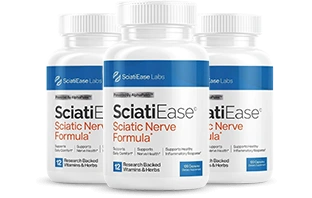
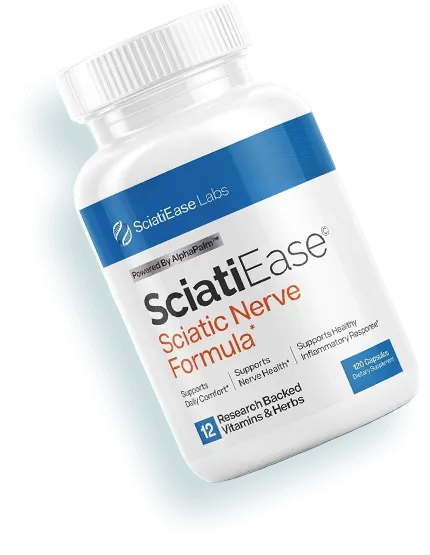
Certain natural supplements can play a supportive role by addressing inflammation and promoting nerve health. Ingredients like Turmeric, Boswellia, Magnesium, and specific B vitamins can help reduce systemic inflammation and support the repair of nerve tissues. When combined with chiropractic care, these supplements can provide an internal defense against the pain and discomfort of sciatica. Consider supplements specifically formulated for nerve support, like Sciatiease, to complement your treatment plan.
Ergonomic Adjustments
For individuals whose sciatica is exacerbated by their work or daily routines, ergonomic adjustments are vital. This includes optimizing your workstation, using proper lifting techniques, and ensuring you have supportive seating. A chiropractor can provide guidance on these adjustments, helping to prevent re-injury and support long-term relief, especially for those with sedentary jobs. Our blog on Sciatica Supplements for Office Workers offers further tips.
When to Consider Chiropractic Care for Sciatica
Deciding when to seek chiropractic care for sciatica can be a crucial step in your journey toward relief and recovery.
If you're experiencing symptoms of sciatica – persistent pain, numbness, tingling, or weakness radiating from your lower back down your leg – it's generally a good idea to consult a chiropractor. Chiropractic care is often recommended as a first-line, non-invasive treatment, especially if your symptoms are new or if you prefer to avoid medication and surgery. It's particularly beneficial for mechanical causes of sciatica, such as disc herniations, spinal misalignments, or piriformis syndrome, where restoring proper spinal mechanics can directly alleviate nerve pressure.
You should consider chiropractic care if:
- You are looking for a **non-pharmacological and non-surgical approach** to pain management.
- Your pain is **mild to moderate** and hasn't responded to simple home remedies like rest, ice, or heat.
- You want to address the **root cause** of your sciatica rather than just masking the symptoms.
- You are interested in a **holistic approach** that includes lifestyle advice, exercise, and nutritional guidance.
- You have been diagnosed with a **herniated disc, spinal stenosis, or piriformis syndrome**, and your doctor suggests conservative treatment options.
However, there are certain situations where immediate medical attention or a different course of treatment might be necessary. It's important to consult with your primary care physician or an orthopedic specialist if you experience:
- **Sudden, severe pain** in your lower back or leg after an injury.
- **Loss of bladder or bowel control** (Cauda Equina Syndrome – a medical emergency).
- **Progressive weakness** in your leg.
- **Numbness or weakness** that spreads rapidly.
- **Sciatica accompanied by fever**, chills, or unexplained weight loss, which could indicate a more serious underlying condition.
A qualified chiropractor will perform a thorough evaluation and, if necessary, refer you to another healthcare professional if your condition falls outside the scope of chiropractic care or requires immediate surgical intervention. For most people suffering from sciatica, however, chiropractic care offers a safe, effective, and empowering pathway to sustained relief and improved quality of life.
Supporting Your Nerve Health: Key Ingredients to Consider
While chiropractic care addresses the mechanical aspects of sciatica, nutritional support can play a vital role in nerve health and inflammation management. Consider supplements that include ingredients known for their neuroprotective and anti-inflammatory properties.
Alpha-Lipoic Acid (ALA)
ALA is a powerful antioxidant that can protect nerve cells from damage caused by free radicals. It also helps regenerate other antioxidants in the body and plays a role in energy production, which is crucial for nerve function. Studies suggest ALA can improve nerve conduction velocity and reduce neuropathic pain symptoms.
B Vitamins (B1, B6, B12)
The B vitamins are essential for nerve health. Vitamin B1 (Thiamine) is crucial for nerve signal transmission. Vitamin B6 (Pyridoxine) is involved in neurotransmitter synthesis. Vitamin B12 (Cobalamin) is vital for the formation and maintenance of the myelin sheath, which protects nerve fibers. Deficiencies in these vitamins can exacerbate nerve pain and damage.
Magnesium
Magnesium is an essential mineral involved in over 300 biochemical reactions in the body, including nerve function and muscle relaxation. It can help reduce muscle spasms and tension, which often accompany sciatica. Magnesium also plays a role in regulating neurotransmitters, potentially calming overactive nerve signals that contribute to pain.
Turmeric (Curcumin)
Curcumin, the active compound in turmeric, is renowned for its potent anti-inflammatory and antioxidant properties. It can help reduce the inflammation surrounding the sciatic nerve, thereby alleviating pain and swelling. Its natural pain-relieving effects make it a valuable addition to a sciatica management strategy.
Boswellia Serrata
Also known as Indian frankincense, Boswellia is an herbal extract traditionally used for its anti-inflammatory effects. It works by inhibiting specific enzymes that promote inflammation in the body. For sciatica, Boswellia can help reduce the swelling and pain associated with nerve compression, offering a natural pathway to discomfort relief.
MSM (Methylsulfonylmethane)
MSM is a sulfur-containing compound found naturally in some foods and is popular for its anti-inflammatory and pain-reducing properties. It can help reduce muscle damage and oxidative stress, supporting the healing process of tissues around the sciatic nerve. MSM may also help improve joint flexibility and reduce stiffness.
When choosing a supplement, look for high-quality formulations that combine these synergistic ingredients to provide comprehensive support for your nervous system and inflammatory response. Products like Sciatiease are designed with such combinations in mind, offering a natural way to complement the benefits of chiropractic care.
Experience Lasting Relief with Sciatiease
While chiropractic care works wonders on spinal alignment, Sciatiease provides the internal support your body needs to truly heal from sciatica and lower back pain. Our advanced formula combines potent natural ingredients to target nerve health, reduce inflammation, and alleviate discomfort from within.
- ✓ Supports healthy nerve function
- ✓ Reduces inflammation and swelling
- ✓ Alleviates sciatic nerve pain naturally
- ✓ Promotes overall spinal and joint health
- ✓ Non-GMO, GMP Certified, Made in USA




What Our Customers Say About Sciatiease
"After years of struggling with sciatica, I finally found relief! Sciatiease, combined with my chiropractic adjustments, has made a huge difference. The constant burning pain is gone, and I can finally enjoy walks again. Highly recommend!"
"I was skeptical at first, but Sciatiease truly delivered. My lower back pain and leg numbness have significantly improved. It's gentle on my stomach and easy to incorporate into my daily routine. A game-changer for my sciatica."
"My chiropractor suggested I try a natural supplement for nerve support, and I chose Sciatiease. The results have been fantastic. My recovery is faster, and the pain is much more manageable. I feel more active and less restricted."
Frequently Asked Questions
What is sciatica and how does chiropractic care address it?
+Sciatica is pain radiating along the sciatic nerve, which branches from your lower back through your hips and buttocks and down each leg. It's often caused by a herniated disc, bone spur on the spine, or narrowing of the spine (spinal stenosis) that compresses part of the nerve. Chiropractic care aims to address the root cause of sciatica by performing spinal adjustments to alleviate nerve compression, restore proper spinal alignment, and reduce inflammation, thereby relieving pain and improving nerve function.
Is chiropractic treatment safe for sciatica?
+Yes, chiropractic treatment is generally considered a safe and effective non-invasive option for sciatica, especially when performed by a licensed and experienced chiropractor. Before starting treatment, a thorough examination and diagnosis are conducted to ensure chiropractic care is appropriate for your specific condition. Serious complications are rare, and many patients experience significant relief without the need for medication or surgery.
How many chiropractic sessions are typically needed for sciatica relief?
+The number of chiropractic sessions required for sciatica relief varies widely depending on the severity and chronicity of the condition, as well as individual response to treatment. Some individuals may experience relief after just a few sessions, while others with more chronic or severe cases might require a longer course of treatment, possibly spanning several weeks or months, including maintenance care to prevent recurrence. Your chiropractor will develop a personalized treatment plan.
Can chiropractic care prevent future sciatica flare-ups?
+Beyond acute pain relief, chiropractic care can play a crucial role in preventing future sciatica flare-ups. By maintaining proper spinal alignment, improving posture, strengthening core muscles, and providing lifestyle advice (e.g., ergonomics, exercise, nutrition), chiropractors help address underlying biomechanical issues that contribute to sciatica. Regular maintenance adjustments can keep the spine healthy and reduce the likelihood of nerve compression returning.
What can I expect during a chiropractic visit for sciatica?
+During your initial visit, a chiropractor will take a detailed medical history, perform a physical examination (including orthopedic and neurological tests), and may order imaging like X-rays or MRI if necessary. Based on the diagnosis, they will develop a personalized treatment plan, which typically involves spinal adjustments using various techniques to gently manipulate the vertebrae. You might also receive recommendations for therapeutic exercises, stretches, heat/cold therapy, and nutritional advice to support your recovery.
Are there any complementary treatments that work well with chiropractic care for sciatica?
+Absolutely. Chiropractic care often works synergistically with other treatments for sciatica. Physical therapy can enhance muscle strength and flexibility. Massage therapy can help relax tight muscles like the piriformis. Acupuncture may offer additional pain relief. Furthermore, incorporating natural supplements designed to support nerve health and reduce inflammation, such as Sciatiease, can provide comprehensive support, helping to accelerate recovery and manage symptoms more effectively.
Related Articles