Are you tired of chronic sciatica pain dictating your life?
Sciatica, characterized by radiating pain along the sciatic nerve pathway, can be debilitating, affecting everything from simple daily tasks to your overall quality of life. Millions worldwide grapple with this condition, often seeking various forms of relief.
While conventional medicine offers valuable treatments, many individuals are turning towards complementary therapies like acupuncture to find solace. This ancient practice, rooted in Traditional Chinese Medicine, offers a unique approach to managing sciatica and lower back pain by addressing the body's energetic balance and promoting natural healing.
Understanding Sciatica: More Than Just Back Pain
Before delving into acupuncture, it's crucial to understand what sciatica truly is and why it causes such intense discomfort.
Sciatica isn't a condition itself, but rather a symptom of an underlying problem affecting the sciatic nerve, the longest and thickest nerve in the body. This nerve originates in the lower back, branches through the hips and buttocks, and extends down each leg. When compressed or irritated, it can lead to a range of symptoms, including sharp, shooting, or burning pain, numbness, tingling, and muscle weakness in the lower back, buttock, and leg.
Common causes of sciatica include a herniated disc, spinal stenosis (narrowing of the spinal canal), piriformis syndrome, and spondylolisthesis. Less common causes can involve tumors or nerve damage from diseases like diabetes. The pain can range from mild annoyance to excruciating agony, often worsening with prolonged sitting, standing, or sudden movements. For a deeper dive into the root causes, consider reading our article on causes of sciatica pain.
Conventional treatments typically involve pain medication, physical therapy, steroid injections, and in severe cases, surgery. However, these approaches don't always provide complete or lasting relief, and many come with potential side effects. This has led many to explore alternative and complementary therapies, seeking a more holistic and less invasive path to managing their pain.
💡 Key Takeaway
Sciatica is a symptom of sciatic nerve compression, causing radiating pain, numbness, and weakness. While conventional treatments exist, many seek complementary therapies like acupuncture for a holistic, less invasive approach to relief.
Acupuncture: An Ancient Practice Meets Modern Pain
Acupuncture, a cornerstone of Traditional Chinese Medicine (TCM) for over 3,000 years, involves inserting fine needles into specific points on the body. These points, known as acupoints, are believed to lie along invisible energy pathways called meridians.
In TCM, pain, including sciatica, is understood as a blockage or imbalance in the flow of vital energy, or "Qi" (pronounced "chee"), through these meridians. By stimulating specific acupoints, practitioners aim to restore the smooth flow of Qi, thereby alleviating pain and promoting the body's natural healing mechanisms. From a Western medical perspective, acupuncture is thought to work by:
- Stimulating the central nervous system: This releases natural pain-relieving chemicals like endorphins, serotonin, and norepinephrine.
- Reducing inflammation: Acupuncture can influence the body's inflammatory response, which is often a significant contributor to sciatic pain.
- Relaxing muscles: It helps release muscle tension and spasms, particularly in the lower back and piriformis muscle, which can compress the sciatic nerve.
- Improving blood circulation: Enhanced blood flow to the affected area can promote healing and reduce nerve irritation.
- Modulating pain signals: It can essentially "re-wire" the brain's perception of pain, making it less intense.
Research has increasingly supported acupuncture's efficacy for various types of chronic pain, including lower back pain and sciatica. Several studies and meta-analyses have shown that acupuncture can be more effective than conventional treatments, or at least a valuable adjunct, for chronic lower back pain. While more large-scale studies are always beneficial, the existing evidence is compelling enough for many healthcare providers to recommend it as a viable treatment option.
The Benefits of Choosing Acupuncture for Sciatica
Embracing acupuncture for sciatica offers a range of advantages that extend beyond mere pain relief.
Natural Pain Relief with Fewer Side Effects
Unlike medications that often come with a list of potential side effects, acupuncture is a natural therapy with minimal risks when performed by a qualified practitioner. It leverages your body's innate ability to heal and manage pain, reducing reliance on pharmaceuticals.
Addresses the Root Cause (Energetic Imbalance)
Rather than just masking symptoms, acupuncture aims to correct underlying energetic imbalances or blockages that contribute to sciatica. This holistic approach can lead to more sustainable relief and prevent recurrence, promoting overall well-being.
Reduces Inflammation and Muscle Tension
Many cases of sciatica are exacerbated by inflammation around the sciatic nerve and tight muscles (like the piriformis). Acupuncture effectively targets these issues, relaxing muscles, improving blood flow, and calming inflammatory responses, providing direct relief.
Improved Mobility and Quality of Life
As pain subsides and muscle tension eases, patients often experience a significant improvement in their range of motion and flexibility. This allows for a return to activities previously limited by pain, greatly enhancing daily function and quality of life.
Stress Reduction and Better Sleep
Chronic pain often leads to stress, anxiety, and sleep disturbances, which can, in turn, worsen pain perception. Acupuncture has a profound calming effect on the nervous system, helping to reduce stress, improve mood, and promote deeper, more restorative sleep.
Complementary to Other Therapies
Acupuncture can be safely integrated with other treatments such as physical therapy, massage, and even certain medications, enhancing their effectiveness. This multi-modal approach often yields the best outcomes for complex conditions like sciatica.
What to Expect During an Acupuncture Session
For those new to acupuncture, the idea of needles might seem daunting, but the experience is often surprisingly relaxing.
A typical session begins with a thorough consultation. Your acupuncturist will ask detailed questions about your medical history, lifestyle, diet, stress levels, and specific sciatica symptoms. They may also observe your tongue and feel your pulse, which are diagnostic tools in TCM. This comprehensive assessment helps them understand the unique energetic patterns contributing to your pain and formulate a personalized treatment plan.
During the treatment, you'll lie comfortably on a treatment table. The acupuncturist will then insert very thin, sterile, single-use needles into specific acupoints. These points are often not directly at the site of pain but along meridian pathways that influence the affected area. You might feel a slight prick upon insertion, followed by sensations like a dull ache, pressure, warmth, or tingling, which indicate the activation of Qi. The needles typically remain in place for 20-30 minutes, during which you can relax. Many people even fall asleep. After the needles are removed, you might feel a sense of calm and relief.
The number of sessions required varies depending on the chronicity and severity of your sciatica. Acute cases might respond in a few sessions, while chronic conditions may require a course of 6-12 sessions, often scheduled 1-2 times per week. Maintenance sessions may be recommended to sustain relief and prevent recurrence. It's important to communicate openly with your practitioner about your comfort levels and any sensations you experience.
Complementary Approaches to Enhance Sciatica Relief
While acupuncture can be highly effective, an integrated approach often yields the best and most lasting results for sciatica pain management.
Physical Therapy & Exercise
Targeted exercises and stretches can strengthen core muscles, improve flexibility, and decompress the sciatic nerve. A physical therapist can design a program tailored to your specific condition, complementing acupuncture's effects.
Herbal Remedies & Supplements
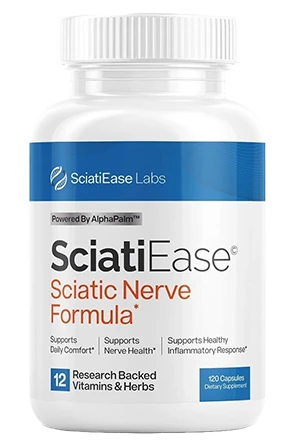
Certain natural supplements and herbal remedies are known for their anti-inflammatory and nerve-supporting properties. Ingredients like Turmeric, Boswellia, and Alpha-Lipoic Acid can help reduce inflammation and promote nerve health. For those seeking comprehensive support, a supplement like Sciatiease offers a blend of ingredients specifically chosen for sciatica pain relief.
Massage Therapy
Deep tissue massage, especially around the lower back, glutes, and piriformis muscle, can release tension, improve circulation, and alleviate pressure on the sciatic nerve. It works synergistically with acupuncture to relax tight muscles.
Mind-Body Practices
Techniques such as yoga, Tai Chi, meditation, and mindfulness can reduce stress, improve body awareness, and help manage pain perception. These practices foster a sense of calm and resilience, crucial for chronic pain sufferers.
Diet and Nutrition
An anti-inflammatory diet rich in fruits, vegetables, lean proteins, and healthy fats can support overall health and reduce systemic inflammation, which can exacerbate nerve pain. Avoiding processed foods, sugar, and unhealthy fats is also beneficial.
Ergonomic Adjustments
Poor posture and improper ergonomics at work or home can contribute to sciatica. Adjusting your chair, desk, and sleeping position can significantly reduce strain on your lower back and sciatic nerve, preventing flare-ups.
Integrating these approaches creates a comprehensive pain management strategy, addressing sciatica from multiple angles and empowering you to take an active role in your healing journey. Remember, always consult with your healthcare provider before starting any new treatment regimen, especially when combining therapies for lower back nerve pain relief.
Introducing Sciatiease: A Natural Complement to Your Pain Management Strategy
While acupuncture offers a powerful path to relief, many individuals seek additional support to manage their sciatica and lower back pain comprehensively. Sciatiease is a carefully formulated natural supplement designed to work synergistically with your body's healing processes, offering targeted support for nerve health and inflammation reduction.
Turmeric Root Extract (Curcumin)
Known for its potent anti-inflammatory properties, curcumin helps reduce swelling and pain around the sciatic nerve, contributing to overall discomfort relief.
Boswellia Serrata Extract
This ancient resin has powerful anti-inflammatory effects, helping to soothe irritated nerves and muscles in the lower back and legs.
Alpha-Lipoic Acid (ALA)
A powerful antioxidant, ALA supports nerve health and can reduce neuropathic pain by protecting nerve cells from damage and improving nerve function.
White Willow Bark
Often referred to as "nature's aspirin," White Willow Bark contains salicin, which provides natural pain relief and anti-inflammatory benefits, similar to NSAIDs but with fewer side effects.
Magnesium Citrate
Essential for muscle and nerve function, magnesium helps relax muscle spasms, reduce nerve excitability, and alleviate the cramping often associated with sciatica.
Ginger Root Extract
A well-known anti-inflammatory, ginger can help reduce pain and swelling, making it a valuable addition to any pain management regimen.
Vitamins B1, B6, B12
These B vitamins are crucial for nerve health and repair. They play a vital role in nerve signal transmission and can help reduce nerve pain and promote regeneration.
Devil's Claw Extract
Traditionally used for pain and inflammation, Devil's Claw can provide significant relief for joint and muscle discomfort, including that stemming from sciatica.
Sciatiease is designed to offer a natural, holistic approach to supporting your body as it heals from sciatica. By combining the power of these clinically-backed ingredients, it aims to reduce inflammation, alleviate nerve pain, and promote overall comfort, making it an ideal complement to therapies like acupuncture or other conventional treatments. Always consult your doctor before adding new supplements to your routine.
Experience the Combined Power of Natural Relief with Sciatiease
Don't let sciatica control your life any longer. While acupuncture paves a path to holistic healing, Sciatiease offers targeted, natural support to soothe your nerves and reduce inflammation, working in harmony with your body.
- ✓ Supports healthy nerve function
- ✓ Reduces inflammation and discomfort
- ✓ Promotes overall lower back health
- ✓ Made with clinically-backed natural ingredients
- ✓ 100% natural, non-GMO, and easy to use




Hear From Those Who Found Relief
"Acupuncture combined with Sciatiease has been a game-changer for my sciatica. I used to rely on painkillers daily, but now I have long periods of comfort. The tingling and numbness are significantly reduced, and I can finally enjoy walks again."
"After years of dealing with chronic lower back pain and sciatica, I decided to try acupuncture. The relief was noticeable, but adding Sciatiease really accelerated my recovery. My mobility has improved immensely, and I feel more energetic."
"I was skeptical about acupuncture at first, but it truly helped with my sciatic nerve pain. What surprised me even more was the added benefit of Sciatiease. It felt like a double whammy against the pain. I highly recommend this combination for anyone suffering."
Frequently Asked Questions
What is sciatica and how does acupuncture help?
+Sciatica is nerve pain caused by irritation or compression of the sciatic nerve. Acupuncture helps by reducing inflammation, releasing muscle tension, improving blood flow, and stimulating the body's natural pain-relieving chemicals.
Is acupuncture painful for sciatica?
+Most people experience little to no pain during acupuncture. The needles are very fine, and sensations are often described as a dull ache, tingling, or warmth. Some minor discomfort may occur, but it's generally well-tolerated.
How many acupuncture sessions are needed for sciatica relief?
+The number of sessions varies depending on the severity and duration of sciatica. Typically, a course of 6-12 sessions, 1-2 times per week, is recommended initially. Some may find relief sooner, while others require ongoing maintenance.
Are there any risks or side effects associated with acupuncture for sciatica?
+Acupuncture is generally safe when performed by a licensed practitioner. Minor side effects can include slight bleeding, bruising, or soreness at the needle sites. Serious complications are rare.
Can acupuncture be used with other sciatica treatments?
+Yes, acupuncture can be a valuable complementary therapy. It often works well alongside physical therapy, medication, massage, and lifestyle changes. Always discuss integrated treatment plans with your healthcare provider.
How can I find a qualified acupuncturist for sciatica?
+Look for a licensed acupuncturist (L.Ac.) with experience treating musculoskeletal pain, specifically sciatica. Check their credentials, read reviews, and consider asking for a consultation to discuss their approach.
Related Articles