Suffering from Sciatica? Discover How Massage Therapy Can Provide Relief
Sciatica, characterized by debilitating pain radiating from the lower back down through the leg, can significantly impact daily life. This condition, often caused by compression or irritation of the sciatic nerve, leaves many searching for effective, non-invasive solutions. While various treatments exist, massage therapy stands out as a powerful tool for managing symptoms and promoting healing.
Understanding the right massage techniques is key to finding relief. From professional deep tissue work to simple self-massage methods you can perform at home, harnessing the power of touch can offer a pathway to natural, non-invasive relief and improved quality of life. In this comprehensive guide, we'll delve into the science behind massage for sciatica, explore various techniques, and discuss how to integrate them into a holistic pain management strategy.
Understanding Sciatica and Its Causes
Before exploring massage techniques, it's essential to grasp what sciatica is and its common culprits. This understanding empowers you to target the right areas and apply the most effective strategies for relief.
Sciatica is not a condition itself but rather a symptom of an underlying problem affecting the sciatic nerve. This nerve, the longest and thickest in the body, originates in the lower back, runs through the buttocks, and extends down each leg, branching into smaller nerves that reach the feet. When this nerve becomes compressed, irritated, or inflamed, it can cause a range of symptoms, from mild aches to sharp, shooting pains, numbness, tingling, or even muscle weakness.
The pain associated with sciatica typically radiates along the path of the sciatic nerve, usually affecting only one side of the body. Common descriptions include a burning sensation, a jolt, or an electric shock-like feeling. Activities like coughing, sneezing, or prolonged sitting can often exacerbate the pain.
Common Causes of Sciatica:
- Herniated or Slipped Disc: This is the most frequent cause. The soft, jelly-like center of a spinal disc can push through a tear in its outer casing, pressing directly on the sciatic nerve root.
- Spinal Stenosis: A narrowing of the spinal canal in the lower back, which can put pressure on the spinal cord and nerve roots.
- Piriformis Syndrome: The piriformis muscle, located deep in the buttock, can spasm or tighten, compressing the sciatic nerve that runs either through or beneath it. This is a common non-spinal cause of sciatica.
- Spondylolisthesis: A condition where one vertebra slips forward over another, potentially pinching the sciatic nerve.
- Trauma or Injury: Direct injury to the lower back or pelvis can also lead to sciatic nerve irritation.
- Tumors or Infections: Although rare, these can also cause sciatic symptoms by compressing the nerve.
Understanding the specific cause of your sciatica is paramount, as it guides the most appropriate treatment. While massage therapy can offer significant relief, it's always advisable to consult with a healthcare professional for an accurate diagnosis, especially if symptoms are severe, persistent, or accompanied by neurological deficits.
The Benefits of Massage Therapy for Sciatica Relief
Massage therapy is not just about relaxation; it's a powerful therapeutic tool that can directly address several factors contributing to sciatica pain. By understanding these benefits, you can better appreciate how massage integrates into a comprehensive pain management plan.
Reduces Muscle Tension and Spasms
Tight muscles in the lower back, glutes, and piriformis often contribute to sciatic nerve compression. Massage helps to relax these tense muscles, releasing the pressure they exert on the nerve. This relaxation can immediately reduce pain and improve flexibility, making movement less painful.
Improves Blood Circulation
Increased blood flow to the affected areas brings vital oxygen and nutrients to damaged tissues, promoting healing and reducing inflammation. Enhanced circulation also helps in flushing out metabolic waste products that can accumulate in tight, painful muscles, further contributing to discomfort.
Releases Endorphins, the Body's Natural Painkillers
Massage stimulates the release of endorphins, neurochemicals that act as natural analgesics and mood elevators. This can significantly reduce the perception of pain and create a sense of well-being, helping individuals cope better with chronic discomfort and the stress associated with sciatica.
Decreases Inflammation and Swelling
By improving circulation and lymphatic drainage, massage can help reduce localized inflammation and swelling around the sciatic nerve. This reduction in inflammatory response is crucial for alleviating nerve irritation and promoting a healthier healing environment, easing the pressure that contributes to pain.
Enhances Flexibility and Range of Motion
Chronic pain and muscle tightness can severely limit mobility. Regular massage helps to lengthen tight muscles, break down adhesions, and improve the elasticity of connective tissues. This restoration of flexibility allows for a greater range of motion, making everyday activities less challenging and reducing the risk of further injury.
Reduces Stress and Anxiety
Living with chronic pain like sciatica can be incredibly stressful and can lead to anxiety, which in turn can exacerbate pain perception. Massage therapy provides a calming effect on the nervous system, lowering stress hormones and promoting relaxation. This holistic benefit contributes to overall well-being and can indirectly reduce pain levels.
Professional Massage Techniques for Sciatica
When dealing with sciatica, professional massage therapists employ a variety of specialized techniques designed to target the underlying causes of nerve compression and muscle tension. These methods are often more effective than general relaxation massages due to their focused approach and the therapist's expert knowledge of anatomy.
A qualified massage therapist will typically begin with a thorough assessment to understand the specific nature of your sciatica, including its origin, intensity, and any contributing factors. This allows them to tailor a treatment plan using one or a combination of the following techniques:
1. Deep Tissue Massage
Deep tissue massage is one of the most effective approaches for sciatica, particularly when muscle tightness or adhesions are the primary cause. This technique involves applying sustained pressure using slow, deep strokes and friction across the grain of the muscles and connective tissues. The goal is to reach the deeper layers of muscle and fascia to break down scar tissue and release chronic muscle knots (adhesions) that can restrict movement and cause pain.
- How it helps sciatica: By targeting deep muscles like the gluteals, hamstrings, and especially the piriformis, deep tissue massage can alleviate the pressure on the sciatic nerve. It helps to lengthen and relax these muscles, improving their flexibility and reducing compression.
- What to expect: You might experience some discomfort during the massage, but it should not be excruciating pain. Communication with your therapist is key. You may feel some soreness for a day or two afterward, similar to post-workout muscle ache.
2. Trigger Point Therapy
Trigger point therapy focuses on identifying and deactivating specific "trigger points" – hyperirritable spots in taut bands of muscle that can refer pain to other areas of the body. For sciatica, common trigger points are found in the piriformis, gluteus medius, and lower back muscles.
- How it helps sciatica: By applying direct, sustained pressure to these trigger points, the therapist aims to release the muscle fibers, reduce localized pain, and alleviate referred pain patterns that mimic or contribute to sciatica. This can directly reduce the tension that impinges on the sciatic nerve.
- What to expect: Pressure is applied to a specific point until the tension releases. This can be intense but often results in significant relief once the trigger point deactivates.
3. Myofascial Release
Myofascial release (MFR) is a gentle, sustained pressure applied to the myofascial connective tissue restrictions to eliminate pain and restore motion. Fascia is a tough connective tissue that spreads throughout the body, surrounding muscles, bones, and organs. When fascia becomes tight or restricted due to injury, inflammation, or trauma, it can exert significant pressure on pain-sensitive structures like nerves and muscles.
- How it helps sciatica: MFR helps to release tension in the fascial system that might be compressing the sciatic nerve or restricting movement in the lower back and hips. By restoring the natural elasticity of the fascia, it reduces overall tissue pressure and improves body mechanics.
- What to expect: This technique involves very slow, gentle, and sustained pressure. The therapist waits for the fascia to "release," which can take several minutes at each point. It's generally very relaxing and non-invasive.
4. Neuromuscular Therapy (NMT)
Neuromuscular Therapy (NMT) is a precise and systematic approach to soft tissue manipulation that balances the central nervous system with the musculoskeletal system. Therapists use specific protocols, postural analysis, and soft tissue manipulation to treat underlying causes of chronic pain involving muscle, nerve, and joint issues.
- How it helps sciatica: NMT focuses on identifying and correcting postural and biomechanical imbalances, nerve entrapment, and ischemic tissues (areas lacking blood flow) that contribute to sciatica. It can effectively address issues like piriformis syndrome by directly treating the muscle and its relationship to the nerve.
- What to expect: NMT often involves specific, deep pressure on trigger points and other tender areas, combined with assessment of posture and movement. It's highly targeted and outcome-oriented.
5. Swedish Massage (Gentle Approach)
While often seen as a relaxation massage, Swedish massage can still be beneficial for sciatica, especially in its initial stages or for individuals who find deeper work too intense. It involves long, gliding strokes, kneading, friction, tapping, and vibration.
- How it helps sciatica: Swedish massage promotes overall relaxation, reduces general muscle tension, and improves circulation. By calming the nervous system and easing superficial muscle tightness, it can indirectly reduce sciatic pain and prepare the body for deeper work if needed. It's excellent for stress reduction, which can amplify pain perception.
- What to expect: This is generally a lighter, more relaxing massage experience compared to deep tissue or NMT. It's a good starting point for those new to massage or sensitive to pain.
When seeking professional massage therapy for sciatica, always choose a licensed and experienced therapist who has specific knowledge of sciatic nerve pain and lower back conditions. Discuss your symptoms openly and ensure they understand your comfort levels throughout the session.
💡 Key Takeaway
Massage therapy offers a multifaceted approach to sciatica relief by reducing muscle tension, improving circulation, decreasing inflammation, and releasing natural painkillers. Professional techniques like deep tissue, trigger point therapy, and myofascial release directly target the causes of nerve compression, while even gentle Swedish massage can provide significant stress reduction and overall muscular relaxation. Always consult a healthcare professional and a qualified massage therapist to ensure the chosen techniques are appropriate for your specific condition.
Effective Self-Massage Techniques for Sciatica at Home
While professional massage offers expert care, there are several effective self-massage techniques you can perform at home to manage your sciatica pain between sessions or as a primary method for mild discomfort. These methods empower you to take an active role in your pain management, providing quick relief and helping to maintain muscle flexibility.
1. Tennis Ball or Lacrosse Ball Massage
A tennis ball or a firmer lacrosse ball is an excellent tool for targeting deep muscle knots in the glutes and piriformis, which frequently contribute to sciatica.
- Piriformis Muscle:
- Sit on the floor with your knees bent and feet flat.
- Place the ball under the affected side of your buttock, specifically targeting the area where you feel tightness or pain (often near the hip bone).
- Gently lean into the ball, shifting your weight until you find a tender spot.
- Breathe deeply and hold the pressure for 30-60 seconds, or gently roll back and forth over the area. You can also cross the affected leg over the other knee to deepen the stretch.
- Gluteal Muscles:
- Similar to the piriformis, place the ball under different areas of your glutes while sitting or lying on your back.
- Roll slowly to find tender spots and apply sustained pressure.
Caution: Avoid placing the ball directly on your spine or bony areas. If you feel sharp or increasing pain, stop immediately.
2. Foam Roller Techniques
A foam roller can cover a larger surface area and is excellent for releasing tension in the lower back, glutes, and hamstrings.
- Lower Back:
- Lie on your back with the foam roller placed horizontally under your lower back.
- Support yourself with your hands and feet, gently lifting your hips.
- Slowly roll up and down, from the bottom of your rib cage to the top of your pelvis, allowing the foam roller to massage the muscles on either side of your spine. Avoid rolling directly on the spine itself.
- Glutes and Piriformis:
- Sit on the foam roller, placing it directly under your buttocks.
- Lean to one side, placing more weight on one glute.
- Gently roll back and forth, finding tender spots. You can cross the leg on the side you're rolling over the other knee to increase the stretch on the piriformis.
- Hamstrings:
- Sit on the floor with your legs extended, placing the foam roller under your hamstrings.
- Use your hands to support your weight and slowly roll from your glutes down to just above your knees.
Tip: Move slowly and deliberately. If you find a tender spot, hold pressure for 20-30 seconds to allow the muscle to release.
3. Manual Self-Massage with Hands or Thumbs
For more direct and controlled pressure, your hands and thumbs can be very effective.
- Lower Back:
- While sitting or standing, place your thumbs or knuckles on either side of your lower spine.
- Apply gentle, circular motions or deep, sustained pressure to tight spots.
- Move slowly up and down the lower back muscles.
- Glutes and Hip Area:
- Reach around to your glutes and hip area.
- Use your thumbs or fingertips to press into any tender spots, particularly around the piriformis muscle.
- Hold the pressure for 20-30 seconds, or gently knead the muscle.
4. Combining with Stretching and Heat/Cold Therapy
Self-massage is often most effective when combined with other home remedies:
- Stretching: Incorporate gentle stretches for the piriformis, hamstrings, and lower back after self-massage. This helps to lengthen the relaxed muscles and improve flexibility. Examples include the piriformis stretch (lying on your back, crossing one ankle over the opposite knee and gently pulling the thigh towards you) and knee-to-chest stretches.
- Heat Therapy: Applying a warm compress or taking a warm bath before self-massage can help relax muscles and make them more receptive to pressure.
- Cold Therapy: After a massage, if there's any residual inflammation or soreness, applying an ice pack for 15-20 minutes can help reduce swelling.
Remember, consistency is key with self-massage. Incorporate these techniques into your daily routine for optimal results. Always listen to your body and discontinue if you experience increased pain or discomfort. For persistent or worsening symptoms, consult a healthcare professional.
When to Seek Professional Help for Sciatica
While self-massage and home remedies can provide significant relief for mild to moderate sciatica, it's crucial to recognize when professional intervention is necessary. Ignoring severe or worsening symptoms can lead to more serious complications. Knowing when to consult a healthcare provider or a professional massage therapist is a vital part of effective sciatica management.
When to Consult a Doctor:
It's important to see a doctor immediately if you experience any of the following symptoms, as they could indicate a more serious underlying condition:
- Sudden, severe pain in the lower back or leg.
- Muscle weakness, numbness, or tingling that is progressive or worsening.
- Loss of bowel or bladder control (Cauda Equina Syndrome is a medical emergency).
- Sciatica that develops after a violent injury, such as a car accident.
- Inability to move your leg or foot.
- Pain that does not improve with rest or over-the-counter pain relievers after a few days.
- If you have a known medical condition like cancer and experience new onset sciatica.
- Persistent fever accompanied by back pain.
A doctor can accurately diagnose the cause of your sciatica through physical examination, imaging tests (like MRI or X-rays), and neurological assessments. This diagnosis is critical for developing an appropriate treatment plan that may include medication, physical therapy, injections, or in rare cases, surgery.
When to Seek a Professional Massage Therapist:
Even if your symptoms aren't severe enough to warrant immediate medical attention, a professional massage therapist can be incredibly beneficial:
- Persistent Pain: If self-massage and stretching aren't providing adequate or lasting relief, a professional therapist can apply more targeted and deeper techniques.
- Difficulty Reaching Affected Areas: Many areas contributing to sciatica, such as deep piriformis muscles, are hard to access effectively through self-massage.
- Uncertainty About Techniques: A professional can identify the specific muscles involved and apply the most appropriate and safe techniques, preventing further irritation.
- Complementary Therapy: Massage therapy often works best as part of a broader treatment plan that might include physical therapy, chiropractic care, or medication. A professional therapist can coordinate with your other healthcare providers.
- Stress and Relaxation: Beyond direct pain relief, professional massage offers a deeply relaxing experience, which can significantly reduce stress and anxiety associated with chronic pain, thereby helping to break the pain-tension cycle.
When choosing a professional, look for a licensed massage therapist who has experience treating sciatica and lower back pain. Don't hesitate to ask about their qualifications and approach. Open communication with your therapist about your symptoms and comfort levels is essential for a safe and effective treatment.
Integrating Massage Therapy with Other Sciatica Management Strategies
Massage therapy is most effective when viewed as one component of a holistic approach to managing sciatica. Combining it with other therapies and lifestyle adjustments can significantly enhance relief, promote long-term healing, and prevent recurrence.
Physical Therapy & Exercise
Physical therapy is often prescribed for sciatica. A PT can teach you specific stretches and strengthening exercises to improve core stability, flexibility, and posture. These exercises, combined with massage, can address muscle imbalances and support spinal health. Massage can help relax muscles, making physical therapy exercises easier and more effective.
Chiropractic Care
Chiropractors focus on spinal adjustments to correct misalignments that may be contributing to sciatic nerve compression. When combined with massage, which relaxes surrounding muscles, chiropractic adjustments can be more comfortable and effective. The two therapies often complement each other well, addressing both skeletal and muscular components of sciatica.
Acupuncture
Acupuncture, an ancient Chinese practice, involves inserting thin needles into specific points on the body to stimulate energy flow and promote healing. Many individuals find acupuncture effective for pain relief, including sciatica. When used alongside massage, it can provide additional relief from inflammation and nerve pain, offering a dual approach to comfort.
Medication & Injections
For acute or severe pain, your doctor might prescribe anti-inflammatory drugs, muscle relaxants, or nerve pain medications. In some cases, corticosteroid injections may be used to reduce inflammation around the nerve root. Massage can complement these medical interventions by addressing muscle tension, potentially reducing the reliance on medication over time, but always follow your doctor's advice.
Lifestyle Adjustments
Simple changes in daily habits can have a profound impact. This includes maintaining good posture, using ergonomic furniture, avoiding prolonged sitting, and engaging in regular, gentle exercise like walking or swimming. A healthy diet, adequate hydration, and sufficient sleep also support overall nerve health and reduce inflammation, making all other therapies more effective.
Nutritional Support & Supplements
Beyond external therapies, internal support through targeted nutrition can play a significant role. Supplements formulated with natural anti-inflammatory ingredients and nerve-supporting nutrients can help reduce the underlying inflammation and oxidative stress that contribute to sciatica. For example, some individuals find relief by incorporating specific vitamins and botanicals into their regimen. You can learn more about how supplements can help by reading our article on top supplements for sciatica and lower back pain, or exploring the benefits of a lower back nerve pain supplement, and sciatic nerve support vitamins.
By combining massage therapy with these various strategies, you create a powerful, multi-pronged attack on sciatica, addressing pain from multiple angles and fostering a more sustainable path to recovery and long-term well-being.
Supporting Your Sciatica Recovery: Key Natural Ingredients
While massage therapy effectively addresses external muscle tension and circulation, internal support for nerve health and inflammation can significantly enhance and prolong relief. Many individuals find that supplementing their regimen with targeted natural ingredients can provide comprehensive support for sciatica and lower back pain.
Alpha-Lipoic Acid (ALA)
Role: A powerful antioxidant that helps protect nerve cells from oxidative damage and supports nerve function. It's often used to improve nerve conduction and reduce neuropathic pain.
Typical Dosage: 300-600 mg daily.
Turmeric (Curcuma Longa)
Role: Contains curcumin, a potent anti-inflammatory compound that can help reduce swelling and pain associated with sciatica and general lower back discomfort. It works by inhibiting inflammatory pathways.
Typical Dosage: 500-1000 mg of standardized extract daily.
Boswellia Serrata
Role: An ancient herbal extract known for its powerful anti-inflammatory properties, particularly effective in managing chronic pain and inflammation without the side effects of conventional drugs.
Typical Dosage: 200-400 mg of standardized extract, 2-3 times daily.
Magnesium
Role: An essential mineral that plays a crucial role in muscle relaxation and nerve function. Deficiency can contribute to muscle spasms and tightness, potentially exacerbating sciatic pain.
Typical Dosage: 200-400 mg daily, preferably in chelated forms like magnesium glycinate.
Ginger Root Extract
Role: A well-known natural anti-inflammatory and analgesic that can help reduce pain and swelling. It complements other anti-inflammatory ingredients for broad-spectrum relief.
Typical Dosage: 500-1000 mg daily.
Skullcap (Scutellaria lateriflora)
Role: Traditionally used as a nervine tonic and muscle relaxant. It can help calm the nervous system, reduce anxiety, and ease muscle spasms, which can indirectly alleviate sciatic pain.
Typical Dosage: 200-400 mg daily.
Vitamins B1, B6, B12 (B Complex)
Role: Crucial for nerve health and function. B vitamins help in nerve regeneration and reduce neuropathic pain. B12, in particular, is vital for maintaining the myelin sheath that protects nerves.
Typical Dosage: Varies, often included in B-complex formulas at therapeutic levels.
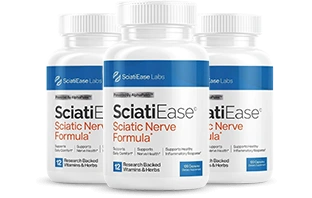
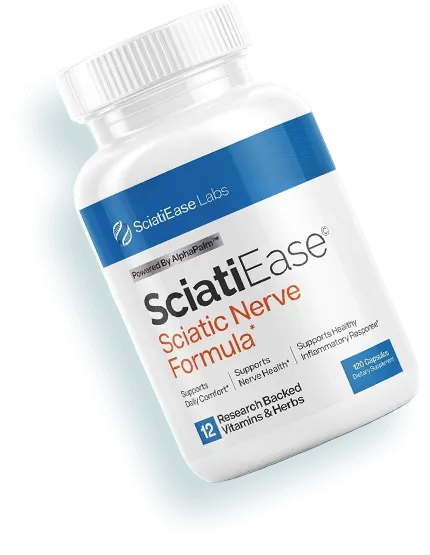
By incorporating these natural ingredients, either through diet or high-quality supplements like Sciatiease, you can provide your body with the internal tools it needs to support nerve repair, reduce inflammation, and manage pain more effectively, creating a synergistic effect with your massage therapy efforts.
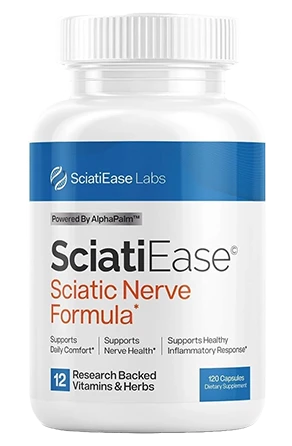
Find Lasting Comfort from Sciatica with Sciatiease
If you're seeking a natural, effective way to complement your massage therapy and support your body's fight against sciatica and lower back pain, Sciatiease offers a powerful solution. Formulated with a blend of scientifically-backed ingredients, Sciatiease targets the root causes of nerve discomfort and inflammation, helping you regain control over your life.
- ✓ Supports healthy nerve function and reduces irritation
- ✓ Alleviates inflammation and muscle discomfort
- ✓ Promotes overall lower back and sciatic nerve health
- ✓ Made with 100% natural, non-GMO ingredients
- ✓ Manufactured in a GMP-certified, FDA-inspected facility in the USA




What Our Customers Say
"After years of trying everything for my sciatica, including regular massages, Sciatiease has been a game-changer. The combination of ingredients really seems to calm my nerves and reduce the nagging pain. I feel so much more mobile and less reliant on constant pain relief. Highly recommend!"
"I was skeptical at first, but decided to try Sciatiease alongside my weekly deep tissue massages. The results are undeniable. My recovery time is faster, and the pain relief lasts longer. It's like the supplement works from the inside out, complementing the physical therapy perfectly. Truly impressed!"
"Living with chronic lower back pain and sciatica was debilitating. While massage provided temporary relief, Sciatiease has helped me manage the underlying inflammation. I've noticed a significant reduction in the intensity and frequency of my sciatic flare-ups. It's an essential part of my daily routine now."
Frequently Asked Questions
Is massage therapy safe for all types of sciatica?
+Massage therapy can be highly beneficial for sciatica, especially when caused by muscle tension, piriformis syndrome, or general lower back stiffness. However, it's crucial to consult a healthcare professional before starting any massage regimen, particularly if your sciatica is due to a herniated disc, spinal stenosis, or if you experience severe neurological symptoms like numbness, weakness, or loss of bowel/bladder control. A professional therapist will assess your condition to determine the safest and most effective techniques, avoiding any exacerbation of the underlying issue.
How often should I get a professional massage for sciatica?
+The frequency of professional massage therapy for sciatica depends on the severity of your symptoms, your response to treatment, and your overall health plan. Initially, weekly or bi-weekly sessions might be recommended to alleviate acute pain and muscle spasms. As your symptoms improve, the frequency can be reduced to every 3-4 weeks for maintenance or as needed. Always discuss the optimal frequency with your massage therapist and doctor to align with your recovery goals.
Can self-massage truly relieve sciatica pain?
+Yes, self-massage can be an effective way to manage mild to moderate sciatica pain, especially when targeting tight muscles like the piriformis, glutes, and lower back. Tools like tennis balls, foam rollers, or even your own hands can help release trigger points and ease muscle tension that may be contributing to nerve compression. While it may not replace professional therapy for severe cases, consistent self-massage, combined with stretching and other home care, can provide significant relief and empower you in your pain management journey.
What's the difference between deep tissue and Swedish massage for sciatica?
+Deep tissue massage targets the deeper layers of muscle and connective tissue, using slow, sustained pressure to release chronic muscle tension and adhesions. It's often effective for sciatica caused by tight piriformis or gluteal muscles. Swedish massage, on the other hand, is a gentler technique involving long, flowing strokes, kneading, and circular movements. It's primarily used for relaxation, improving circulation, and reducing superficial muscle tension. For sciatica, deep tissue is generally more targeted for pain relief, while Swedish can be beneficial for overall relaxation and reducing stress that might worsen pain.
When should I avoid massage therapy for my sciatica?
+You should avoid massage therapy if you have acute inflammation, a fever, open wounds, skin infections, or certain medical conditions like deep vein thrombosis. For sciatica specifically, avoid massage if you have severe or sudden onset pain, progressive muscle weakness, numbness, or loss of bladder/bowel control, as these could indicate a serious underlying condition requiring immediate medical attention. Always consult your doctor before starting massage, especially if you have a known disc herniation or other spinal conditions.
How can Sciatiease complement massage therapy for sciatica relief?
+Massage therapy provides external relief by addressing muscle tension and improving circulation. Sciatiease, a natural supplement, can complement these efforts by providing internal support. Its ingredients are formulated to help reduce inflammation, support nerve health, and alleviate discomfort from within, potentially enhancing the benefits of massage and promoting longer-lasting relief. While massage works on the physical structures, Sciatiease can help nourish the body's natural healing processes and reduce the underlying inflammatory responses often associated with sciatica and lower back pain.
Related Articles