Is Your Diet Fueling Your Back Pain and Sciatica?
Chronic lower back pain and sciatica can be debilitating, affecting millions worldwide. While conventional treatments often focus on medication and physical therapy, a growing body of evidence suggests that what you eat plays a crucial role in managing inflammation, a primary driver of these conditions.
Understanding the link between your diet and inflammation is the first step towards finding sustainable relief. By embracing an anti-inflammatory eating plan, you can empower your body to heal, reduce nerve irritation, and potentially lessen the severity and frequency of your pain episodes.
The Inflammatory Link: How Diet Impacts Sciatica and Back Pain
Inflammation is the body's natural response to injury or infection. However, when inflammation becomes chronic, it can contribute to a host of health problems, including persistent pain in the lower back and along the sciatic nerve.
The sciatic nerve, the longest nerve in the body, can become irritated or compressed due to various factors, including herniated discs, spinal stenosis, or piriformis syndrome. In many cases, underlying **inflammation** exacerbates these conditions, leading to more intense and prolonged pain. When your body is in a constant state of inflammation, it can lead to increased sensitivity of pain receptors, swelling around nerve pathways, and even damage to nerve tissues over time. This creates a vicious cycle where pain triggers more inflammation, and inflammation intensifies pain, making daily activities challenging and reducing overall quality of life.
Your diet plays a pivotal role in this inflammatory process. Certain foods can act as pro-inflammatory triggers, stoking the body's immune response and creating an environment ripe for pain. Conversely, other foods possess powerful anti-inflammatory properties that can help to quell this response, promoting healing and reducing discomfort. By consciously choosing foods that reduce inflammation, you are not just treating symptoms, but addressing one of the root causes of your sciatica and back pain. This holistic approach can lead to more sustainable and profound relief than relying solely on symptomatic treatments.
💡 Key Takeaway
An anti-inflammatory diet is a powerful tool to manage sciatica and lower back pain by reducing systemic inflammation, a key driver of nerve irritation and discomfort. Dietary choices can either worsen or alleviate chronic pain.
Understanding the Anti-Inflammatory Diet Philosophy
An anti-inflammatory diet is not a restrictive fad but a sustainable eating pattern focused on whole, unprocessed foods that help regulate the body's inflammatory response.
The core principle of this diet revolves around maximizing nutrient intake from sources known to have anti-inflammatory effects while minimizing foods that promote inflammation. It emphasizes a rich variety of fruits, vegetables, healthy fats, lean proteins, and whole grains. This approach is often likened to the **Mediterranean diet**, which has long been praised for its health benefits, including cardiovascular health and longevity, largely due to its inherent anti-inflammatory nature. The goal is to flood your body with antioxidants, essential fatty acids, and phytonutrients that work synergistically to reduce oxidative stress and calm inflammatory pathways. This dietary shift moves away from the typical Western diet, which is often high in processed sugars, unhealthy fats, and refined carbohydrates – all known contributors to chronic inflammation. By adopting this philosophy, you're not just aiming for pain relief but also promoting overall wellness, supporting your immune system, and improving your energy levels.
Foods to Embrace: Your Anti-Inflammatory Toolkit
Incorporating these nutrient-dense foods into your daily meals can significantly reduce inflammation and support nerve health.
Berries & Cherries
Packed with antioxidants called anthocyanins, berries (like blueberries, strawberries, raspberries) and tart cherries are potent inflammation fighters. They help neutralize free radicals and reduce markers of inflammation in the body, which can be particularly beneficial for nerve pain.
Leafy Green Vegetables
Spinach, kale, collard greens, and Swiss chard are rich in vitamins A, C, and K, as well as potent antioxidants. These nutrients play a crucial role in reducing oxidative stress and inflammation, supporting cellular health, and aiding in the repair of damaged tissues around the sciatic nerve.
Fatty Fish (Omega-3s)
Salmon, mackerel, sardines, and trout are excellent sources of omega-3 fatty acids, particularly EPA and DHA. These essential fats are powerful anti-inflammatory agents that can help reduce swelling and pain, especially beneficial for neuropathic pain associated with sciatica. Aim for at least two servings per week.
Nuts & Seeds
Almonds, walnuts, flaxseeds, and chia seeds are rich in omega-3s, fiber, and vitamin E. These components help reduce inflammation and provide essential nutrients for nerve function and overall health. Walnuts, in particular, are a great source of alpha-linolenic acid (ALA), a plant-based omega-3.
Olive Oil
Extra virgin olive oil is a cornerstone of the Mediterranean diet and contains oleocanthal, a compound with anti-inflammatory effects similar to ibuprofen. It's a healthier fat source that supports heart health and reduces systemic inflammation.
Turmeric & Ginger
These powerful spices are renowned for their anti-inflammatory properties. Curcumin in turmeric and gingerols in ginger can significantly reduce pain and inflammation by inhibiting inflammatory pathways. Incorporate them into your cooking or consider them as supplements.
Broccoli & Cruciferous Veggies
Broccoli, cauliflower, and Brussels sprouts contain sulforaphane, a compound that helps activate detoxifying enzymes and reduces inflammation. They are also rich in fiber and various vitamins, contributing to overall gut health, which is linked to reduced systemic inflammation.
Whole Grains
Unlike refined grains, whole grains like oats, quinoa, brown rice, and whole wheat bread retain their fiber, B vitamins, and minerals. The fiber helps regulate blood sugar and supports a healthy gut microbiome, which in turn can reduce chronic inflammation throughout the body.
Foods to Avoid: Inflammatory Triggers to Minimize
Just as certain foods can heal, others can harm. Eliminating or significantly reducing these pro-inflammatory foods is crucial for managing sciatica and back pain.
The modern Western diet is unfortunately rife with ingredients that actively promote inflammation. These foods can disrupt gut health, increase oxidative stress, and trigger an immune response that exacerbates pain. For individuals suffering from sciatica and lower back pain, identifying and cutting out these triggers is as important as consuming anti-inflammatory foods. It's not just about what you add to your diet, but also what you remove. Making these conscious choices can lead to a significant reduction in pain flares and an overall improvement in your comfort levels. Remember, consistency is key; occasional indulgence might not derail your progress, but chronic consumption of inflammatory foods will undermine your efforts to find relief.
- Processed Foods and Sugary Drinks: High-fructose corn syrup and refined sugar are major culprits, driving inflammation and contributing to weight gain, which can worsen back pain. They are found in sodas, candies, pastries, and many packaged snacks.
- Refined Carbohydrates: White bread, white pasta, white rice, and other products made from refined flour are quickly broken down into sugar in the body, leading to blood sugar spikes and subsequent inflammatory responses. Opt for whole-grain alternatives instead.
- Unhealthy Fats: Trans fats (often found in fast food, fried foods, and some margarines) and excessive amounts of omega-6 fatty acids (found in vegetable oils like corn, soybean, and sunflower oil) can promote inflammation. While omega-6s are essential, the typical Western diet has an unhealthy imbalance, favoring omega-6s over omega-3s.
- Red and Processed Meats: While lean protein is important, excessive consumption of red meat (especially fatty cuts) and processed meats (bacon, sausages, deli meats) has been linked to higher inflammatory markers due to their saturated fat content and presence of advanced glycation end products (AGEs).
- Alcohol: Chronic or excessive alcohol consumption can increase systemic inflammation and may interfere with nutrient absorption, which is vital for healing and pain management. Moderation is key.
- Artificial Additives: Many artificial sweeteners, colorings, and preservatives found in processed foods can trigger inflammatory responses in sensitive individuals. Always read food labels carefully.
By diligently avoiding these inflammatory culprits, you create an environment within your body that is conducive to healing and pain reduction. This dietary discipline, coupled with other healthy lifestyle choices, forms a robust defense against chronic pain conditions like sciatica.
Beyond Diet: Holistic Approaches for Sciatica and Back Pain
While diet is a cornerstone of managing inflammation, a comprehensive approach includes other lifestyle factors that synergistically contribute to pain relief and overall well-being.
Regular, Gentle Exercise
Physical activity, especially low-impact options like walking, swimming, yoga, or specific stretches for sciatica, can significantly improve blood flow, strengthen core muscles, and reduce nerve compression. Exercise also releases endorphins, natural pain relievers, and helps maintain a healthy weight, reducing stress on your spine. Consistency is more important than intensity.
Stress Management Techniques
Chronic stress can exacerbate pain by increasing muscle tension and promoting inflammation. Incorporating stress-reducing practices such as meditation, deep breathing exercises, mindfulness, or spending time in nature can help calm the nervous system, reduce pain perception, and improve your body's ability to cope with discomfort. Even short daily practices can make a difference.
Quality Sleep
Adequate, restorative sleep is vital for the body's repair processes and inflammation control. Poor sleep can heighten pain sensitivity and increase inflammatory markers. Aim for 7-9 hours of quality sleep per night, optimizing your sleep environment and routine to support deep rest. Proper pillow and mattress support for your spine are also crucial.
Maintaining a Healthy Weight
Excess body weight, particularly around the abdomen, puts additional strain on the lower back and spinal discs, which can worsen sciatica and back pain. An anti-inflammatory diet naturally supports weight management, but combining it with regular exercise further amplifies this benefit, reducing mechanical stress on your spine and nerves.
Ergonomic Adjustments
Evaluate your workstation, car seat, and even your posture while standing or sitting. Poor ergonomics can contribute to spinal misalignment and nerve compression. Using supportive chairs, standing desks, and practicing good posture can alleviate pressure on the sciatic nerve and reduce the likelihood of pain flare-ups throughout your day.
Targeted Supplementation
While diet is foundational, certain supplements can offer targeted support. Ingredients like Palmitoylethanolamide (PEA), Turmeric, Alpha-Lipoic Acid, and B vitamins are known for their anti-inflammatory, neuroprotective, and pain-modulating properties. These can complement your dietary efforts, providing additional relief. You can learn more about these in our article on Choosing the Best Supplement for Sciatica Nerve Pain.
Sciatiease: A Natural Complement to Your Anti-Inflammatory Lifestyle
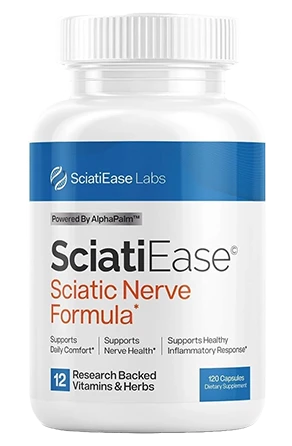
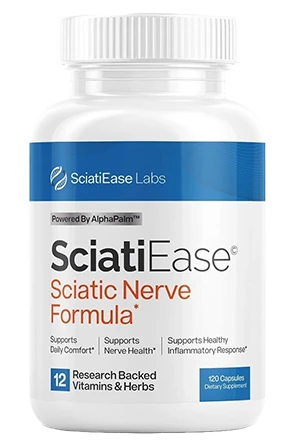
While an anti-inflammatory diet lays the groundwork for pain relief, sometimes your body needs an extra boost to combat persistent nerve pain and inflammation. Sciatiease offers a carefully formulated blend of natural ingredients designed to work synergistically with your healthy eating habits.
Sciatiease is not intended as a replacement for a healthy diet or medical advice, but rather as a powerful adjunct to your holistic pain management strategy. Its ingredients are chosen for their documented roles in supporting nerve health, reducing inflammation, and modulating pain pathways, providing comprehensive support where diet alone might fall short. The goal is to help your body achieve a state where it can better manage and recover from sciatica and lower back pain, allowing you to regain mobility and improve your quality of life.
For example, ingredients like Palmitoylethanolamide (PEA) are gaining recognition for their specific benefits in neuropathic pain. You can delve deeper into this powerful compound by reading our article on Palmitoylethanolamide (PEA): A Breakthrough for Sciatica?. By combining the nutritional power of an anti-inflammatory diet with the targeted support of Sciatiease, you create a robust strategy for long-term relief and wellness. This dual approach addresses both systemic inflammation and specific nerve-related discomfort, offering a more complete solution for those struggling with chronic pain.
Key Ingredients in Sciatiease Supporting Nerve & Inflammation Health
Sciatiease harnesses the power of nature to provide targeted relief for sciatica and lower back pain. Each ingredient is selected for its scientifically backed benefits in reducing inflammation and supporting nerve function.
Palmitoylethanolamide (PEA)
Role: A naturally occurring fatty acid amide that acts on the endocannabinoid system, PEA is highly effective in reducing chronic pain and inflammation, particularly neuropathic pain. It helps to calm overactive nerve signals and protect nerve cells, making it a cornerstone for sciatica relief.
Turmeric (Curcuma Longa)
Role: The active compound, curcumin, is a powerful anti-inflammatory and antioxidant. It inhibits multiple inflammatory pathways in the body, providing significant relief from pain and swelling associated with back pain and sciatica. Its neuroprotective effects also support nerve health.
Alpha-Lipoic Acid (ALA)
Role: A potent antioxidant that helps protect nerve tissues from oxidative damage and inflammation. ALA improves nerve function and can reduce neuropathic pain symptoms, crucial for individuals experiencing sciatica-related nerve irritation. It also supports energy production at the cellular level.
Boswellia Serrata Extract
Role: Derived from frankincense, Boswellia contains boswellic acids that are known for their strong anti-inflammatory properties. It helps reduce pain and improve physical function by targeting specific enzymes involved in the inflammatory response, without the side effects of traditional NSAIDs.
Vitamin B Complex (B1, B6, B12)
Role: Essential for nerve health and function. B vitamins play a critical role in nerve regeneration, myelin sheath formation, and reducing nerve pain. Deficiencies can exacerbate neuropathic symptoms, making supplementation vital for those with sciatica.
Magnesium
Role: An essential mineral involved in over 300 biochemical reactions in the body, including muscle and nerve function. Magnesium helps relax muscles, reduce muscle spasms that can contribute to sciatica, and has anti-inflammatory effects. It also aids in pain transmission regulation.
Together, these ingredients offer a comprehensive approach to managing sciatica and lower back pain, providing targeted support for inflammation, nerve health, and overall comfort. For more detailed information on how supplements can aid in managing your pain, explore our article on Exploring Effective Sciatica Pain Relief Supplements.
Experience the Difference with Sciatiease
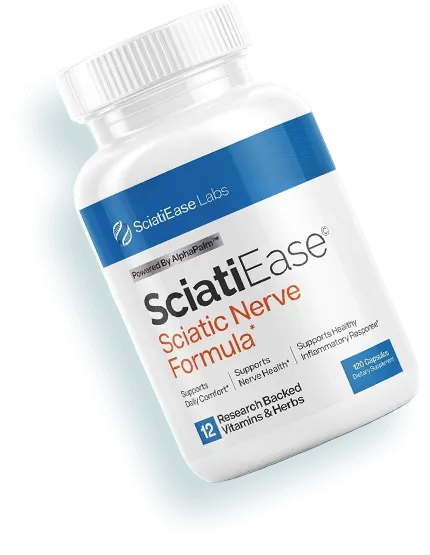
Don't let sciatica and lower back pain dictate your life. Sciatiease offers a natural, powerful way to support your body's fight against inflammation and nerve discomfort, helping you reclaim your mobility and comfort.
- ✓ Targeted relief for nerve pain and inflammation
- ✓ All-natural ingredients, scientifically backed
- ✓ Non-habit forming and gentle on the stomach
- ✓ Manufactured in a GMP certified facility
- ✓ 60-Day Money-Back Guarantee for peace of mind



Real Stories, Real Relief
"I've struggled with sciatica for years, and while my diet changes helped, Sciatiease was the missing piece. The constant burning pain has significantly reduced, and I can finally enjoy walks again. It's truly made a difference in my life."
"My orthopedic surgeon recommended focusing on an anti-inflammatory diet for my lower back pain. After a few months, I added Sciatiease. The combination has been incredibly effective. I feel less stiff and can move much more freely. Highly recommend this supplement!"
"I was skeptical at first, but the ingredients in Sciatiease align perfectly with my anti-inflammatory lifestyle. My nerve pain has calmed down so much, and I wake up feeling refreshed instead of in agony. It's gentle and effective."
Frequently Asked Questions
How does an anti-inflammatory diet help with sciatica and back pain?
+An anti-inflammatory diet works by reducing systemic inflammation in the body. Chronic inflammation is a significant contributor to pain, nerve irritation, and tissue damage often seen in conditions like sciatica and lower back pain. By consuming foods rich in antioxidants and healthy fats, and avoiding inflammatory triggers like processed foods and sugar, you can help calm the body's inflammatory response, leading to reduced pain, swelling, and improved nerve function.
What foods should I avoid to reduce inflammation?
+To combat inflammation, it's crucial to limit or eliminate highly processed foods, sugary drinks, refined carbohydrates (white bread, pasta), unhealthy fats (trans fats, excessive saturated fats found in red meat and fried foods), and certain vegetable oils high in omega-6 fatty acids (corn, soybean, sunflower oil). Alcohol and artificial additives can also contribute to inflammation. Focus on whole, unprocessed foods instead.
What foods should I prioritize for an anti-inflammatory diet?
+Prioritize a diverse range of colorful fruits and vegetables (berries, leafy greens, broccoli), omega-3 rich foods (fatty fish like salmon, flaxseeds, walnuts), whole grains (oats, brown rice, quinoa), lean proteins (chicken, turkey, beans, lentils), and healthy fats (avocados, olive oil, nuts). Spices like turmeric and ginger are also powerful anti-inflammatory agents. Hydration with water is also key.
How long does it take to see results from an anti-inflammatory diet?
+The timeline for experiencing benefits can vary greatly among individuals. Some people may notice improvements in energy levels and reduced pain within a few weeks, while for others, it might take a few months of consistent adherence. It's a gradual process, and the cumulative effect of sustained dietary changes is what leads to long-term relief and better overall health. Patience and consistency are vital.
Can Sciatiease complement an anti-inflammatory diet?
+Yes, Sciatiease is formulated with natural ingredients known for their anti-inflammatory and nerve-supporting properties, such as Palmitoylethanolamide (PEA), Turmeric, and Alpha-Lipoic Acid. When combined with a healthy anti-inflammatory diet, Sciatiease can provide synergistic support, helping to reduce nerve pain, inflammation, and discomfort associated with sciatica and lower back pain. It acts as a targeted nutritional boost to your overall wellness strategy.
Are there any side effects to an anti-inflammatory diet or Sciatiease?
+An anti-inflammatory diet is generally safe and beneficial, with potential side effects usually being positive (e.g., weight loss, improved digestion). However, any drastic dietary change should be discussed with a healthcare professional. For Sciatiease, it is made with natural ingredients and is generally well-tolerated. As with any supplement, mild digestive upset can occur in sensitive individuals. Always consult your doctor before starting any new supplement, especially if you have pre-existing conditions or are taking other medications.
Related Articles